Differentiated Instruction Strategies for Neurodiverse Learners
Introduction:
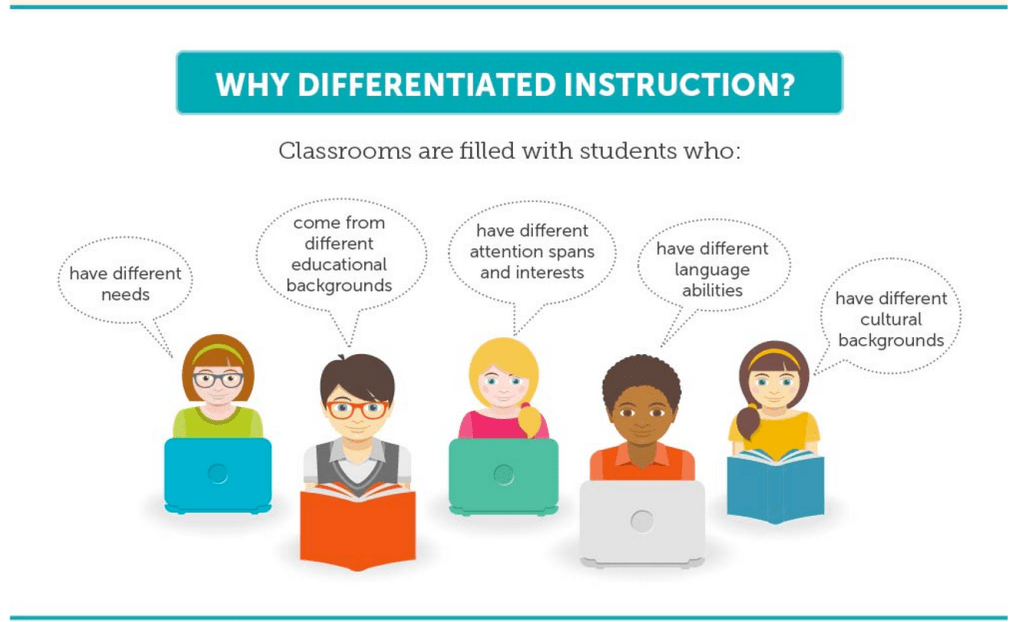
In today’s diverse classrooms, it is essential to recognize and address the unique learning needs of neurodiverse learners. Neurodiversity refers to the natural variation in human neurological traits, including individuals with conditions such as autism spectrum disorder (ASD), attention deficit hyperactivity disorder (ADHD), dyslexia, and other learning differences. To create an inclusive and supportive learning environment for all students, educators must employ differentiated instruction strategies that meet the specific requirements of neurodiverse learners.
Understanding Differentiated Instruction:
Differentiated instruction is an approach that recognizes individual student differences and adapts teaching methods accordingly. It emphasizes tailoring content, process, and assessment to accommodate diverse learning styles, abilities, interests, and preferences. By implementing differentiated instruction strategies effectively, educators can ensure that every student has equitable access to quality education.
Strategies for Implementing Differentiated Instruction:
1. Pre-assessment: Before designing lessons or units of study, teachers should conduct pre-assessments to identify students’ strengths, weaknesses, and prior knowledge. This information will help them plan appropriate instructional activities based on each student’s abilities.
2. Flexible Grouping: Grouping students flexibly allows educators to differentiate instruction based on skill levels or interests while promoting peer collaboration. For instance, creating mixed-ability groups where students support one another fosters cooperative learning experiences.
3. Varied Instructional Materials: Providing a variety of materials like visual aids, manipulatives, technology tools (e.g., tablets with educational apps), audio recordings or transcripts can cater to different sensory preferences and engage neurodiverse learners effectively.
4. Multiple Means of Representation: Presenting information through various formats such as videos with captions or subtitles helps accommodate different learning styles while considering the accessibility needs of neurodiverse students.
5. Multi-modal Learning Activities: Incorporating activities that appeal to different modalities – auditory, visual, kinesthetic – enables students to engage with content in ways that align with their learning preferences. For example, providing hands-on experiments or interactive simulations can enhance understanding and retention.
6. Scaffolded Instruction: Breaking down complex tasks into smaller, manageable steps supports neurodiverse learners who may struggle with executive functions or processing information efficiently. Gradually reducing scaffolds as students gain proficiency encourages independence and confidence.
7. Individualized Assessments: Tailoring assessments based on individual needs allows neurodiverse learners to demonstrate their knowledge and skills effectively. This can include alternatives to traditional written exams such as oral presentations, projects, or multimedia creations.
8. Ongoing Feedback and Reflection: Providing timely feedback that is specific, constructive, and actionable helps neurodiverse learners monitor their progress towards learning goals. Encouraging self-reflection also promotes metacognitive skills development.
Conclusion:
By embracing differentiated instruction strategies tailored for neurodiverse learners, educators can create inclusive classrooms where every student has the opportunity to thrive academically and socially. Recognizing the unique strengths of these students while addressing their challenges will not only improve educational outcomes but also foster a sense of belonging within the school community. As our understanding of neurodiversity continues to evolve, it is crucial for educators to embrace these strategies as part of a commitment to equity and inclusivity in education.
 Alternative Amie
Leave a comment