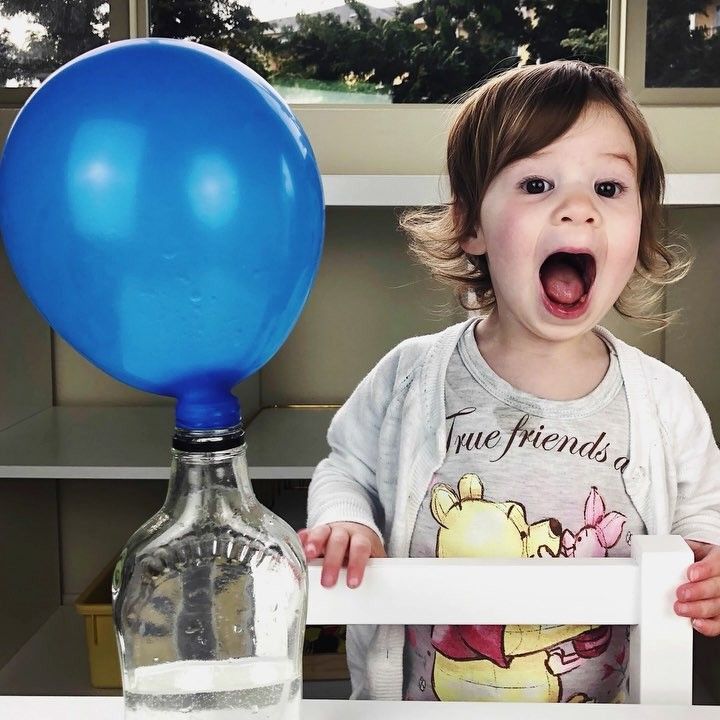
Science experiments are a great way to engage students and foster their curiosity. They allow children to explore the world around them, develop critical thinking skills, and learn scientific principles through hands-on activities. In this article, we will present eight exciting science experiments that can be conducted in alternative schooling settings.
1. Baking Soda Volcano:
This classic experiment never fails to captivate young minds. Start by creating a volcano shape using clay or playdough on a tray or cardboard base. Next, place a small plastic cup at the top of the volcano structure. Mix one part baking soda with three parts vinegar in another container and then carefully pour it into the cup atop the volcano. Watch as an effervescent eruption occurs due to the chemical reaction between baking soda (sodium bicarbonate) and vinegar (acetic acid).
2. Rainbow Density Column:
Introduce students to density using this colorful experiment! Fill clear containers with different liquids of varying densities, such as honey, dish soap, water with food coloring, vegetable oil, rubbing alcohol with food coloring, and lamp oil or corn syrup dyed with food coloring. Slowly pour each liquid into a tall glass cylinder one after another without mixing them together – denser liquids should be poured first while lighter ones are added last. Observe how layers form based on their relative densities.
3. Solar-Powered Oven:
Teach students about renewable energy sources by building a solar-powered oven from simple materials like cardboard boxes and aluminum foil. Cut out one side of the larger box and line it with foil for insulation purposes; ensure that there is enough space for sunlight to enter through plastic wrap or transparent material placed over the opening but secure enough not to let heat escape easily once absorbed inside the box’s interior space. Encourage students to cook s’mores or heat up other small snacks using only solar power!
4. Seed Germination Experiment:
With this experiment, students can witness firsthand the process of seed germination and learn about the conditions necessary for plant growth. Provide students with several ziplock bags, moistened paper towels, and different types of seeds (e.g., bean, sunflower). In each bag, place a damp paper towel and a few seeds. Seal the bags and hang them near a window or in a warm area. Over time, students will observe how the seeds sprout roots and shoots as they require moisture, warmth, and air to grow.
5. Static Electricity Butterfly:
Explore static electricity by creating a butterfly that can “fly” using nothing but charged particles! Cut out two identical butterfly shapes from lightweight paper or thin plastic. Attach small pieces of scotch tape to one side of each butterfly wing. Rub an inflated balloon against various materials like wool or hair to build up static charge on its surface. Hold the charged balloon near one of the butterflies while keeping your fingers close but not touching it – watch as the butterfly’s wings move due to attraction!
6. Invisible Ink Message:
Introduce students to invisible ink through this fun experiment! Mix equal parts lemon juice with water in a bowl or cup as your invisible ink solution. Use cotton swabs or paintbrushes to write secret messages on white paper using this solution; let it dry completely before handing it over to someone else for decryption purposes. To reveal the hidden message, heat up the paper gently by either placing it near a light bulb or using an iron set on low heat—watch as words magically appear!
7. Egg Geodes:
Teach kids about crystal formation with this creative experiment! Carefully remove eggshells from raw eggs by soaking them overnight in vinegar – this dissolves calcium carbonate leaving behind only flexible membranes shaped like eggs (care should be taken when handling these fragile structures). Prepare separate containers filled with hot water mixed with different colored food dyes and Epsom salt until no more salt dissolves. Submerge the egg membranes in the colored saltwater solutions and let them sit undisturbed for a few days. Marvel at the beautiful crystal formations that grow on the eggs!
8. Mentos and Soda Geyser:
Create an explosive geyser by combining Mentos candies with carbonated beverages! Pour any carbonated drink into a clear plastic bottle, ensuring there is enough space to add several Mentos. Drop several Mentos candies simultaneously into the bottle and quickly move away as a foamy eruption shoots out of it due to rapid nucleation caused by tiny pits on the candy’s surface disrupting dissolved carbon dioxide in the soda.
These science experiments are both educational and entertaining, making them perfect for alternative schooling settings where hands-on learning experiences are highly valued. By encouraging students’ natural curiosity through these engaging activities, educators can foster a lifelong love for scientific exploration and discovery.
 Alternative Amie
Leave a comment