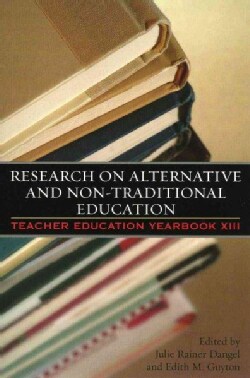
Introduction:
In today’s world, alternative schooling and education have gained significant attention as parents and educators search for innovative ways to foster creativity, critical thinking, and a love for learning in students. Traditional education systems often rely on standardized testing and rigid curricula, leaving little room for individuality or exploration of diverse subjects. However, alternative schooling approaches offer a refreshing change by embracing unconventional teaching methods, personalized learning experiences, and a focus on holistic development.
One area where alternative schooling truly shines is in its approach to literature. Rather than simply viewing literature as a subject to be studied and analyzed academically, alternative schools recognize that it can be an immensely powerful tool for personal growth, empathy building, self-expression, and cultivating imagination. This article will explore some of the unique ways in which alternative education systems integrate literature into their curriculum to create engaging learning experiences.
1. Literature-Based Learning:
In many traditional educational settings, literature is often treated as separate from other subjects such as science or history. However, alternative schools understand that literature has the power to connect various disciplines seamlessly. By incorporating literary works into different areas of study like social studies or science classes, students gain a deeper understanding of complex topics while simultaneously developing their reading comprehension skills.
For example, instead of solely relying on textbooks to teach history lessons about World War II, an alternative school might introduce students to firsthand accounts through novels like “The Diary of Anne Frank.” This not only brings historical events alive but also helps students empathize with those who lived through them.
2. Project-Based Learning:
Project-based learning (PBL) is another hallmark of alternative schooling methods that can greatly enhance the study of literature. Instead of passively consuming information from textbooks or lectures alone, PBL encourages active engagement by assigning projects that require deep analysis and creative problem-solving.
When it comes to studying literature through PBL approaches in an alternative school setting – possibilities are endless! Students could be given the task of adapting a novel into a play, creating an interactive digital storybook, or even writing their own short stories inspired by the themes explored in a particular work. Through these projects, students not only develop essential literary analysis skills but also gain confidence in their creativity and ability to think critically.
3. Literature Circles:
Literature circles are small discussion groups where students meet regularly to engage in thoughtful conversations about books they have chosen to read collectively. This alternative approach allows students to explore literature at their own pace while fostering collaboration, communication skills, and critical thinking.
In literature circles, students take on various roles such as summarizers, discussion leaders, vocabulary experts or illustrators. These roles encourage active participation and provide opportunities for each student’s voice to be heard. By engaging in meaningful discussions about different perspectives and interpretations of texts, students develop empathy and broaden their worldview.
4. Community Involvement:
Alternative schools often emphasize community involvement as an integral part of education. In this context, literature can serve as a powerful tool for connecting with local communities through activities like book clubs or reading programs.
For instance, an alternative school may partner with local libraries or organizations to organize book drives for underprivileged children or senior citizens who may not have access to books otherwise. Students could actively participate by organizing fundraising events or volunteering their time to read aloud at community centers.
By involving students in these initiatives centered around literature, alternative schools nurture empathy and social responsibility while promoting the joy of reading among others.
5. Multicultural Literature:
One area where traditional education systems often fall short is incorporating diverse voices within the literary canon. However, alternative schools strive to rectify this imbalance by including multicultural literature that represents various cultures and experiences from around the world.
By exposing students to diverse perspectives through stories written by authors from different backgrounds – whether it is African American literature like “To Kill a Mockingbird” by Harper Lee or Asian American literature like “The Joy Luck Club” by Amy Tan – alternative schools help foster a more inclusive and empathetic learning environment. This exposure to multicultural literature promotes understanding, challenges stereotypes, and encourages students to appreciate different cultures.
Conclusion:
Incorporating literature into alternative schooling approaches is not just about teaching students how to read or analyze texts; it is about fostering a love for reading, nurturing empathy and critical thinking skills, and encouraging self-expression. By integrating literature across various subjects, utilizing project-based learning techniques, promoting community involvement, encouraging multicultural perspectives, alternative schools create an enriching educational experience that goes beyond the traditional classroom setting. Ultimately, this approach allows students to develop a lifelong appreciation for literature while gaining valuable skills needed for success in the 21st century.
 Alternative Amie
Leave a comment