Neurodiversity in the Classroom: Embracing Differences and Promoting Inclusion
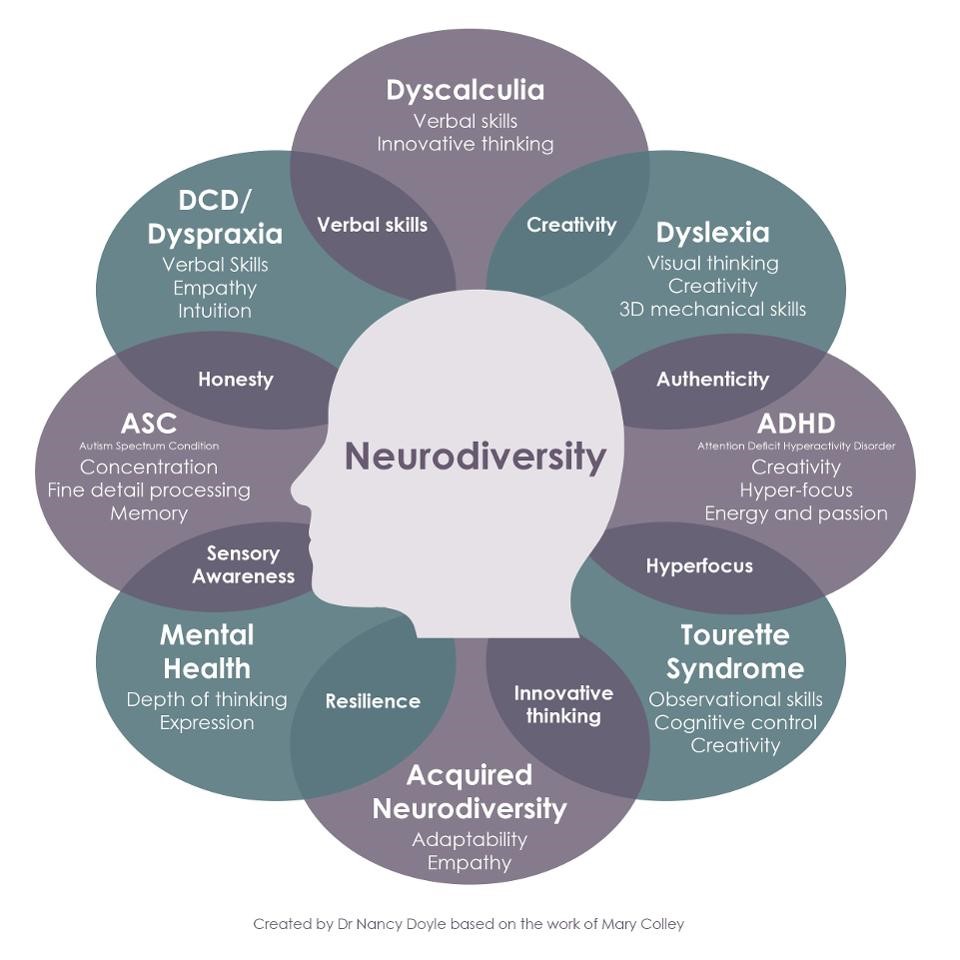
In recent years, there has been an increasing recognition of the importance of neurodiversity in our classrooms. Neurodiversity refers to the idea that neurological differences, such as autism, ADHD, dyslexia, and other learning disabilities, are simply natural variations of the human brain rather than deficits or disorders. This perspective encourages us to embrace these differences and create inclusive learning environments that cater to the needs of all students.
One key aspect of promoting neurodiversity in the classroom is understanding individual strengths and challenges. Each student has unique talents and abilities that may be different from their peers. By recognizing and celebrating this diversity, educators can foster a sense of belonging among all students.
Differentiated instruction is another important strategy for supporting neurodiverse learners. This involves tailoring teaching methods and materials to meet each student’s specific needs. For example, providing visual aids or alternative forms of assessment can be beneficial for students with dyslexia or attention difficulties.
Creating a sensory-friendly environment is also crucial for accommodating neurodiverse learners. Some individuals may have heightened sensitivities to noise, light, or touch. Simple adjustments like using soft lighting or offering noise-canceling headphones can make a significant difference in creating a comfortable space for everyone.
Collaboration between teachers, parents/guardians, and specialists is vital when it comes to supporting neurodiverse learners effectively. Regular communication allows for sharing insights about each student’s progress and implementing appropriate strategies both at school and home.
Lastly, fostering empathy and understanding among classmates plays a pivotal role in promoting inclusion within the classroom community. Educators can facilitate discussions about diversity and encourage students to appreciate each other’s differences through group activities or projects.
By embracing neurodiversity in our classrooms, we not only ensure every student receives an equitable education but also prepare them for a diverse and inclusive society. Creating an environment that celebrates differences helps students develop empathy, acceptance, and a sense of belonging – values that extend far beyond the classroom walls.
 Alternative Amie
Leave a comment