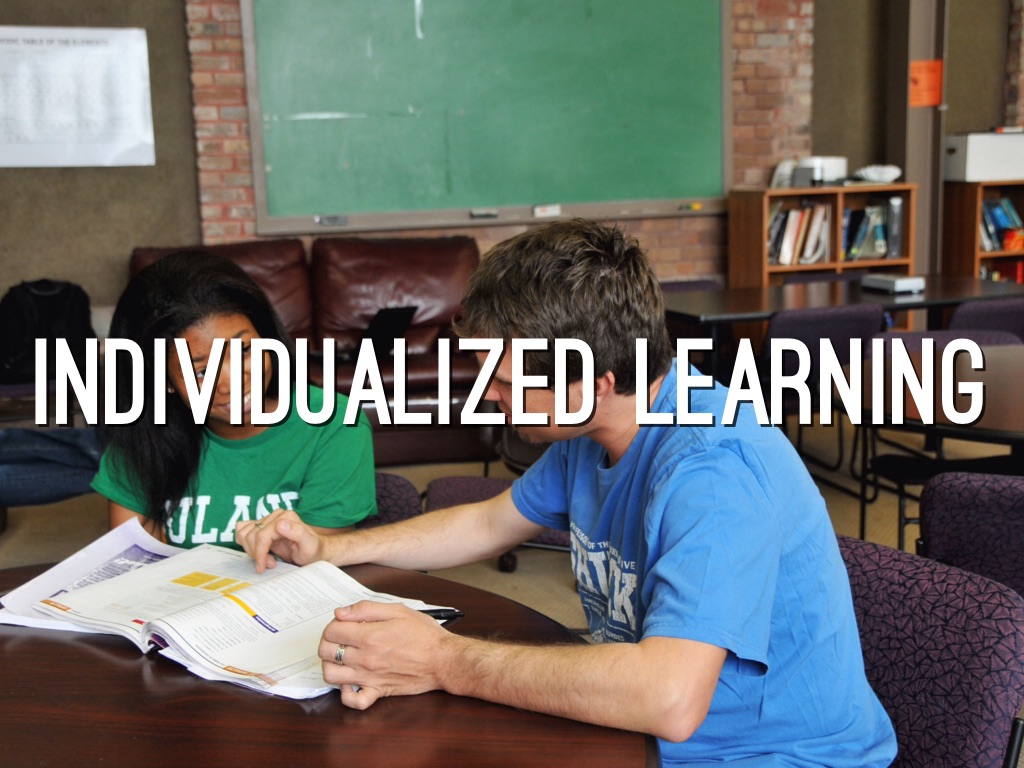
Mentorship plays a crucial role in alternative schooling, providing students with guidance, support, and personalized learning experiences. Whether it’s finding the right mentor or exploring mentorship programs for specific educational approaches, mentors have a significant impact on students’ academic and personal development. In this article, we will explore various aspects of mentorship in alternative education and its benefits.
1. Finding the right mentor:
Finding the right mentor is essential for a successful mentoring relationship. Mentors should align with students’ interests and goals while possessing relevant expertise and experience. This may involve reaching out to community organizations, online platforms, or homeschooling networks to connect with potential mentors.
2. Benefits of mentorship in alternative education:
Mentorship offers numerous benefits to students in alternative education settings. It provides individualized attention, fosters self-confidence and motivation, promotes critical thinking skills, enhances problem-solving abilities, encourages goal setting, and cultivates lifelong learning habits.
3. Mentorship programs for homeschoolers:
Homeschooling families can benefit from formal mentorship programs that connect them with experienced educators or professionals within their desired fields of study. These programs provide additional resources and guidance to parents while offering unique learning opportunities for homeschooled children.
4. Peer-to-peer mentoring in alternative schools:
Peer-to-peer mentoring allows students within alternative schools to learn from one another by sharing knowledge and experiences. Pairing older students with younger ones creates an environment of collaboration where both parties benefit from teaching and learning together.
5. Mentoring for students with learning differences:
Students with learning differences often require additional support tailored to their specific needs. Mentors who specialize in working with diverse learners can help these individuals navigate their educational journey more effectively by providing strategies for success and building self-advocacy skills.
6. Role of mentors in project-based learning:
In project-based learning (PBL), mentors play a vital role as facilitators rather than traditional instructors. They guide students through the project process, offering advice, resources, and feedback to ensure successful completion of projects while promoting critical thinking and problem-solving skills.
7. Mentoring for self-directed learners:
Self-directed learners thrive with mentors who foster independence and provide guidance when needed. These mentors help students set goals, develop learning plans, explore resources, and evaluate progress in a way that aligns with their individual learning styles and interests.
8. Mentorship in unschooling approaches:
Unschooling emphasizes student-led learning based on personal interests rather than formal curriculum or structure. In this approach, mentors act as facilitators by supporting students’ exploration of their passions and providing guidance to ensure a well-rounded education.
9. Building a strong mentor-student relationship:
Building a strong mentor-student relationship is essential for effective mentoring. Regular communication, mutual respect, trust-building activities, goal setting sessions, and ongoing feedback contribute to a positive mentoring experience that benefits both the student and the mentor.
10. Mentoring for career exploration in alternative education:
Mentorship provides valuable insights into various careers by connecting students with professionals working in fields aligned with their interests. This exposure helps students gain practical knowledge about different industries while fostering networking opportunities that may lead to internships or job shadowing experiences.
11. Mentors as guides in personalized learning paths:
In personalized learning environments where each student follows an individualized curriculum tailored to their needs, mentors play a crucial role as guides throughout the educational journey. They assist students in setting goals aligned with their strengths and aspirations while helping them navigate challenges along the way.
12. Mentorship for social-emotional development in non-traditional education settings:
Mentors support not only academic growth but also social-emotional development within alternative schooling models. By providing emotional support, modeling empathy and resilience, facilitating group discussions or community service projects, mentors help students develop important life skills beyond academics.
13. Mentoring opportunities within community-based education models:
Community-based education models often rely on community members, parents, or volunteers as mentors. These mentors contribute their expertise to enhance the learning experiences of students and foster connections between schools and the local community.
14. Mentorship for students transitioning from traditional to alternative schooling:
Transitioning from a traditional school setting to an alternative educational approach can be challenging. Mentors help ease this transition by providing guidance, addressing concerns, and offering support tailored to the unique needs of each student during this adjustment period.
15. The role of mentors in fostering creativity and innovation:
Mentors encourage students’ creativity and innovation by providing them with opportunities to explore new ideas, take risks, and experiment with different approaches. They offer constructive feedback that helps students refine their creative processes while nurturing a mindset of curiosity and open-mindedness.
16. Mentoring for entrepreneurial skills in alternative education:
Alternative education often emphasizes entrepreneurship as a pathway for success. Mentors with business experience can guide students in developing entrepreneurial skills such as problem-solving, critical thinking, financial literacy, marketing strategies, and project management within real-world contexts.
17. Mentorship programs for at-risk youth in alternative schools:
At-risk youth may benefit greatly from mentorship programs that provide positive role models who offer guidance, encouragement, and support outside their immediate family or community environment. These mentoring relationships can help empower at-risk youth towards personal growth and academic success.
18. Cultivating leadership through mentorship in non-conventional education:
Mentorship plays a pivotal role in cultivating leadership skills among students attending non-conventional educational settings such as democratic schools or self-directed learning centers. By empowering students to make decisions collaboratively alongside mentors’ guidance, they develop confidence in their abilities to lead effectively.
19. The impact of mentorship on academic success in alternative schooling:
Research consistently shows that mentorship positively impacts academic success among students attending alternative schooling options such as homeschooling, unschooling, or project-based learning. Mentors provide personalized support that helps students stay motivated, overcome challenges, and achieve their academic goals.
20. Mentoring for cultural diversity and inclusivity in alternative education environments:
Mentorship fosters cultural diversity and inclusivity by connecting students with mentors from diverse backgrounds. This exposure promotes understanding, empathy, and appreciation for different cultures while providing opportunities for cross-cultural collaboration and learning.
In conclusion, mentorship plays a vital role in alternative schooling by providing students with guidance, support, and personalized learning experiences. Whether it’s finding the right mentor or exploring mentorship programs specific to various educational approaches, mentors contribute significantly to students’ academic success, personal growth, creativity development, career exploration, social-emotional well-being, leadership skills cultivation ,and overall holistic development within non-traditional education settings.
 Alternative Amie
Leave a comment