Authentic Assessment in Alternative Schooling:
When it comes to assessing students’ learning and growth, alternative schooling approaches often prioritize authentic assessment methods. Unlike traditional education systems that heavily rely on standardized tests and exams, alternative schools seek to evaluate students’ abilities and skills through real-life experiences and projects. This article will explore the concept of authentic assessment in alternative schooling, highlighting its benefits and providing examples of how it can be implemented.
Authentic assessment refers to evaluating students’ knowledge and skills by assessing their performance on tasks that closely resemble real-world situations. It aims to measure not only what students know but also how well they can apply that knowledge in practical contexts. In alternative education settings, which emphasize hands-on learning, critical thinking, problem-solving, creativity, collaboration, and other essential skills for success in the 21st century, authentic assessment aligns perfectly with the educational philosophy.
One popular strategy for portfolio evaluation is peer assessment. In this approach, students are actively involved in evaluating their peers’ work based on predetermined criteria or rubrics. Peer assessment promotes a sense of ownership over one’s learning as well as fosters critical thinking skills because when students assess others’ work against set standards, they must analyze the strengths and weaknesses objectively.
Using portfolios is an effective way to assess project-based learning (PBL) in alternative education. Portfolios provide a comprehensive collection of evidence showcasing a student’s progress throughout a project or unit of study. They allow educators to evaluate not only the final product but also all the steps taken along the way – from brainstorming ideas to executing them successfully.
Incorporating self-reflection and goal-setting into portfolio assessments further enhances their value for both teachers and learners alike. By encouraging students to reflect on their own work critically, they develop metacognitive skills – the ability to think about one’s own thinking process – which is crucial for lifelong learning. Additionally, setting goals helps students take ownership of their learning and strive for continuous improvement.
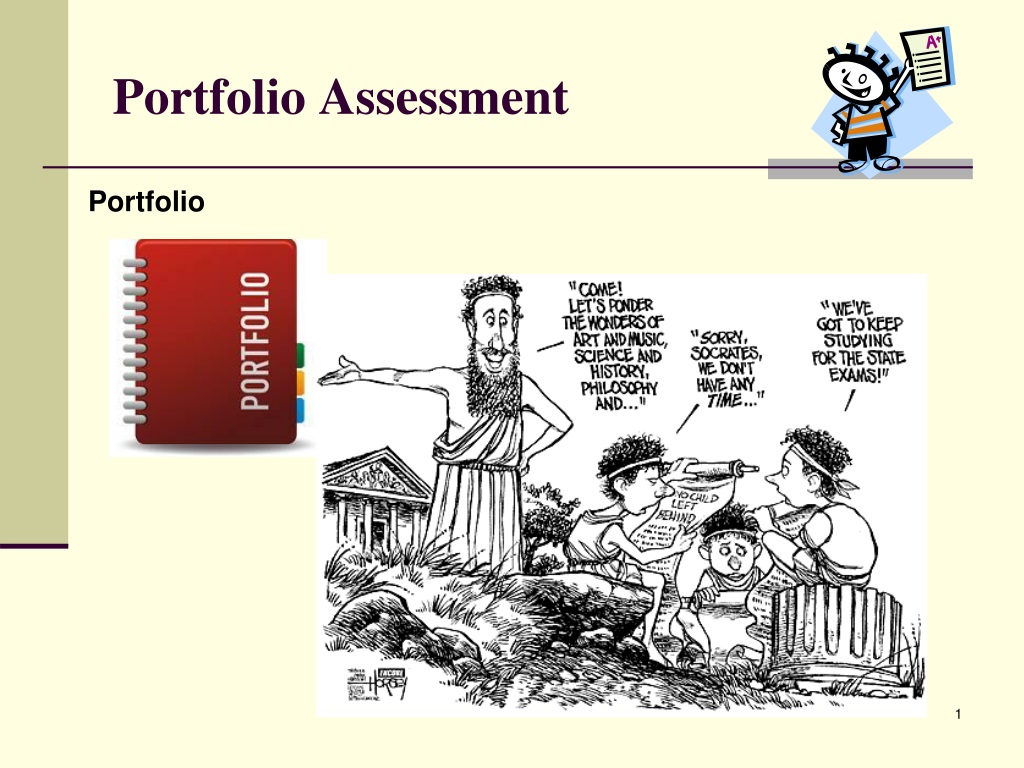
Assessing creativity and innovation is another area where portfolios shine in alternative schooling. Rather than relying solely on standardized tests that often stifle creative thinking, portfolios allow students to showcase their unique ideas, projects, and artistic expressions. By documenting their creative process and reflecting on it within their portfolio, students’ innovative abilities can be accurately assessed.
Portfolios also prove valuable when assessing social-emotional learning (SEL) in non-traditional education settings. SEL encompasses skills such as self-awareness, empathy, emotional regulation, and relationship building – crucial competencies for success both academically and personally. Through the inclusion of artifacts demonstrating these skills within a portfolio, educators gain insight into a student’s social-emotional growth.
Collaboration and teamwork are essential skills needed for success in today’s interconnected world. Portfolios provide an opportunity to assess these skills by including evidence of group projects or cooperative activities. Students can showcase how they effectively contributed to a team effort through written reflections or multimedia presentations.
Critical thinking and problem-solving abilities are highly valued in alternative education settings. Portfolio assessment allows educators to evaluate students’ ability to analyze complex problems critically, propose innovative solutions, and reflect on the effectiveness of their strategies over time.
As technology continues to play an increasingly significant role in our lives, assessing digital literacy skills becomes paramount. E-portfolios offer a platform for students to demonstrate their proficiency with various digital tools and technologies through artifacts such as video presentations or website designs.
Portfolio assessment serves as an excellent tool for career exploration and readiness in non-traditional education settings. By including artifacts related to internships, job shadows, or career-focused projects within portfolios, students can demonstrate their knowledge about different professions while also showcasing relevant skills they have acquired.
Evaluating student growth over time is another advantage of using portfolios in alternative schools. Traditional assessments often provide only a snapshot of a student’s performance at one point in time. Portfolios, on the other hand, capture a student’s progress and development throughout their educational journey.
Cultural competency and global awareness are crucial components of a well-rounded education. By including artifacts that demonstrate an understanding of different cultures, languages, or global issues within portfolios, students can showcase their cultural competence and highlight their commitment to creating a more inclusive world.
Interdisciplinary learning is another hallmark of alternative schooling. Portfolios allow students to integrate knowledge and skills from various subjects into cohesive projects or presentations. Through portfolio evaluation, educators can assess students’ ability to make connections across disciplines and apply their learning in meaningful ways.
Individualized instruction and personalized learning approaches are central to alternative education philosophies. Portfolios provide a platform for showcasing each student’s unique strengths, interests, and goals while also allowing educators to tailor instruction accordingly.
Student engagement and motivation are critical factors in successful learning experiences. Portfolios offer opportunities for students to select artifacts that reflect their personal interests or passions – enhancing engagement with the assessment process while also providing valuable insights into what motivates them academically.
Metacognitive skills refer to thinking about one’s own thinking processes – an essential skill for lifelong learners. Reflective portfolios promote metacognition by encouraging students to analyze their own work critically, identify areas for improvement, set goals for growth, and track progress over time.
Environmental sustainability is becoming increasingly important in education as we face pressing global challenges related to climate change. Portfolio assessment allows students to document efforts they have made toward environmental sustainability through project-based initiatives like recycling programs or community gardens.
Community service and civic engagement play integral roles in alternative schooling models. By including evidence of involvement in community service projects or initiatives aimed at making positive social change within portfolios, students can showcase their dedication to being active citizens.
Leadership skills are highly valued attributes sought after by employers today. Within portfolios, students can demonstrate leadership abilities through examples such as leading group projects or taking on leadership roles within extracurricular activities or clubs.
In conclusion, authentic assessment through the use of portfolios is an invaluable tool in alternative schooling. It allows educators to evaluate a wide range of skills and competencies beyond traditional measures like standardized tests. By incorporating elements such as peer assessment, self-reflection, goal-setting, and various forms of evidence showcasing students’ knowledge and abilities, portfolios provide a comprehensive picture of each student’s growth and progress over time. Whether it be assessing creativity, collaboration, critical thinking, digital literacy, social-emotional learning, or any other essential skill for success in the 21st century – portfolios serve as a powerful means to support meaningful evaluation in alternative education settings.
 Alternative Amie
Leave a comment