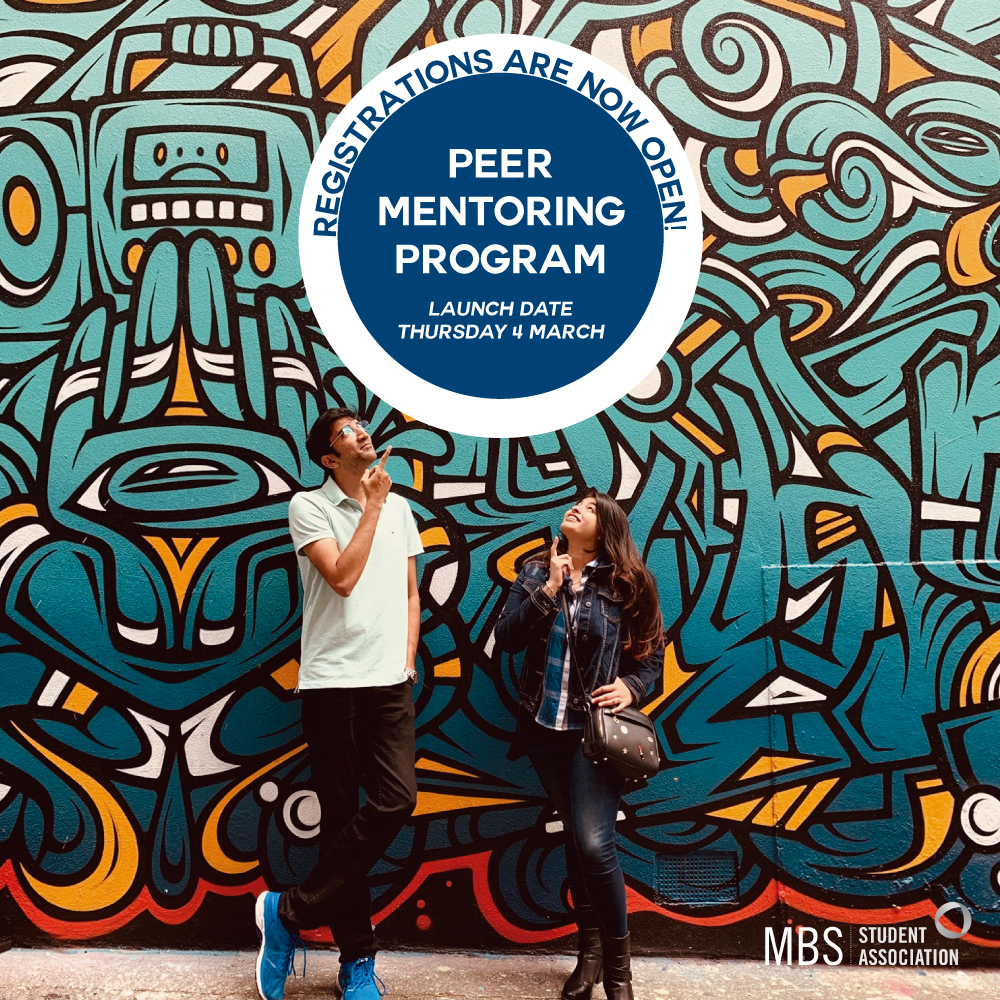
Promoting Inclusivity through Peer Mentoring
Inclusion is a fundamental aspect of education that ensures every student, regardless of their background or abilities, feels welcome and supported in the learning environment. While traditional schooling systems have made significant progress towards inclusivity, there is still much work to be done.
One effective approach to promoting inclusivity within schools is through peer mentoring programs. These programs provide opportunities for students to support and guide their peers who may be facing challenges academically, socially, or emotionally. Peer mentoring not only fosters a sense of belonging but also helps develop empathy, leadership skills, and a deeper understanding of diversity.
Peer mentoring offers several benefits for both the mentees and mentors involved. For mentees, having someone closer to their age as a mentor can create a more comfortable space for seeking guidance and support. This approach reduces the intimidation factor that might exist when approaching an adult authority figure such as a teacher or counselor.
Mentees also benefit from the relatability factor; they are likely to find common ground with their peers who have faced similar experiences or struggles. This relatability helps establish trust between mentor and mentee while fostering open communication channels.
On the other hand, mentors gain valuable skills by participating in peer mentoring programs. They learn how to actively listen, communicate effectively, and offer constructive feedback—all crucial qualities in becoming empathetic leaders. Additionally, mentors often experience personal growth as they navigate through different perspectives and challenge their own biases.
Moreover, peer mentoring contributes significantly to creating an inclusive school culture by breaking down social barriers among students belonging to diverse backgrounds. It promotes respect for differences by encouraging dialogue about various cultures, beliefs systems, abilities/disabilities within safe spaces facilitated by trained mentors.
To implement successful peer mentoring programs that promote inclusivity within schools requires careful planning and consideration of individual needs:
1. Training: Mentors need proper training on active listening skills, conflict resolution strategies, cultural sensitivity, and understanding the needs of mentees. Professional development opportunities for mentors can enhance their abilities to provide effective support.
2. Matching: Mentors should be carefully matched with mentees based on shared interests, backgrounds, or experiences. This promotes a stronger connection between them and increases the likelihood of successful mentorship outcomes.
3. Guidance and Supervision: Regular check-ins with both mentors and mentees are essential to monitor progress, address any concerns or challenges, and provide guidance when needed. School staff or designated coordinators should oversee the program to ensure its effectiveness.
4. Evaluation: Ongoing evaluation of the peer mentoring program is crucial to measure its impact on inclusivity within the school community. Feedback from participants can help identify areas for improvement and make necessary adjustments as required.
It is important to note that peer mentoring programs should not replace professional support systems offered by teachers, counselors, or psychologists within schools. Rather, they complement these services by providing an additional layer of support from peers who may better understand specific challenges faced by students.
In addition to promoting inclusivity within schools, peer mentoring programs also equip students with valuable life skills that extend beyond their academic journey. The mentorship experience fosters a sense of responsibility towards others in need while nurturing leadership qualities that can benefit them in future endeavors.
Promoting inclusivity through peer mentoring goes beyond creating a supportive environment; it cultivates a culture where diversity is celebrated rather than merely tolerated. By encouraging empathy and understanding among students through these programs, we create spaces where all individuals feel valued and appreciated for who they are.
In conclusion, implementing peer mentoring programs is an effective approach towards fostering inclusivity in schools. These initiatives have proven benefits for both mentors and mentees alike while contributing significantly to building an inclusive school culture. By investing in comprehensive training for mentors, careful matching processes, ongoing supervision and evaluation strategies – we can create environments where every student feels supported on their educational journey regardless of their background or abilities.
 Alternative Amie
Leave a comment