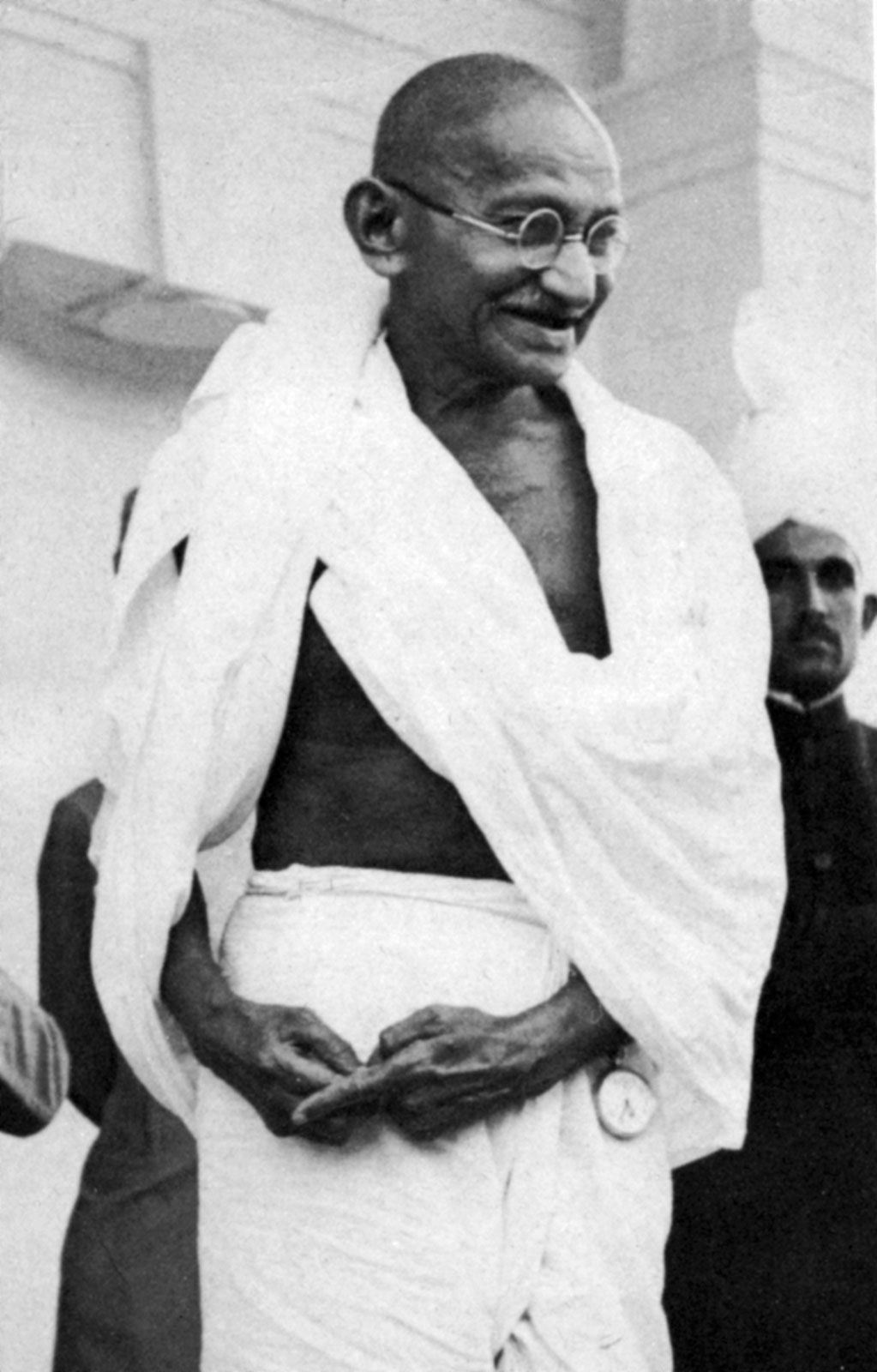
Mahatma Gandhi: The Inspirational Advocate for Alternative Education
Mahatma Gandhi, the great leader of India’s struggle for independence, was not only a political and spiritual icon but also an advocate for alternative education. His beliefs and practices have left a lasting impact on the educational landscape, inspiring countless educators to explore new ways of teaching and nurturing young minds.
Gandhi firmly believed that education should be holistic, focusing on the development of character alongside academic knowledge. He emphasized that true education goes beyond textbooks and exams; it is about cultivating virtues such as truthfulness, compassion, humility, and empathy in students. According to him, these qualities are essential for creating responsible citizens who can contribute positively to society.
One of Gandhi’s most significant contributions to alternative education was his establishment of the ashram schools. These schools were based on principles such as self-sufficiency, simplicity, manual labor, and community living. Students at these ashrams were actively involved in daily chores like cleaning their surroundings or working in fields while receiving academic instruction.
The purpose behind this approach was twofold: first, it aimed to instill a sense of practicality and self-reliance among students by engaging them in hands-on work; secondly, it promoted equality by erasing distinctions between teachers and learners. This egalitarian environment encouraged mutual respect and collaboration among students.
Furthermore, Gandhi advocated for inclusive education where every child had equal access to learning opportunities regardless of their social or economic background. He strongly opposed the elitist nature of traditional educational systems that excluded marginalized communities from gaining knowledge. In line with this belief, he launched several initiatives to bring education closer to rural areas where accessibility was limited.
In addition to his emphasis on character development and inclusivity in education, Gandhi also stressed the importance of moral values as a foundation for learning. He believed that ethical conduct should be integrated into every aspect of schooling so that children could grow up with a strong moral compass. Gandhi’s concept of “Nai Talim” or “New Education” aimed to create well-rounded individuals who could make ethical decisions and contribute positively to society.
Gandhi’s ideas on alternative education continue to inspire educators around the world. Many schools today have embraced his principles, incorporating experiential learning, community engagement, and character development into their curriculum. The focus has shifted from rote memorization to fostering critical thinking skills, creativity, and social responsibility among students.
The legacy of Mahatma Gandhi in the field of education serves as a reminder that true learning goes beyond academic achievements. It is about nurturing young minds with values and life skills that will enable them to become compassionate leaders capable of transforming the world for the better. His vision remains a guiding light for those seeking an alternative path in education – one that empowers students to be lifelong learners and active contributors towards building a more equitable and harmonious society.
 Alternative Amie
Leave a comment