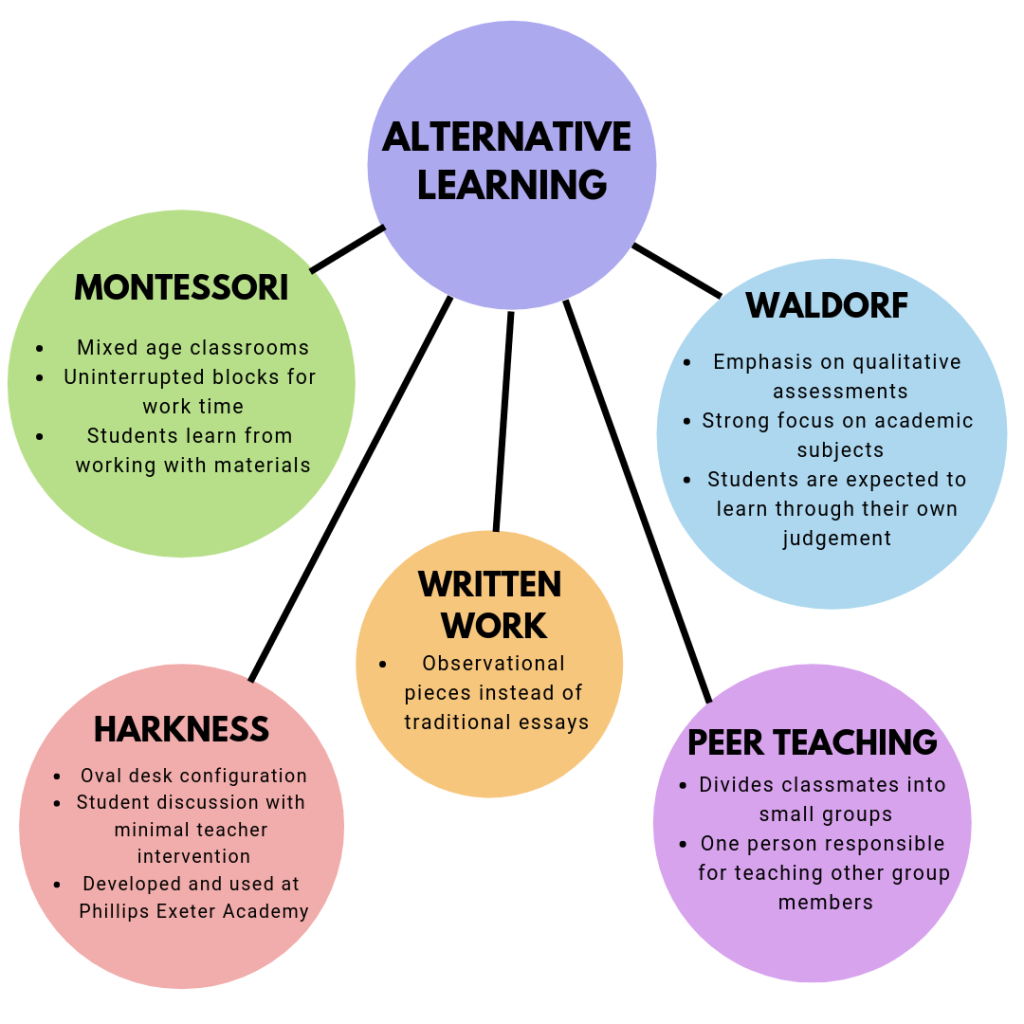
Alternative schooling and education have gained significant attention in recent years, offering unique approaches to learning outside the traditional classroom setting. These alternative methods focus on individualized instruction, hands-on experiences, and fostering a love for lifelong learning. In this article, we will explore some of the different types of alternative schooling and education options available today.
One popular alternative approach is Montessori education. Developed by Dr. Maria Montessori in the early 20th century, this method emphasizes self-directed learning in a prepared environment. Montessori classrooms are equipped with specialized materials that encourage exploration and independent thinking. Students are given freedom to choose their activities and work at their own pace while teachers act as guides, providing support when needed.
Another option gaining traction is Waldorf education. Developed by Rudolf Steiner, this holistic approach focuses on nurturing children’s artistic expression alongside academics. Waldorf schools incorporate music, drama, storytelling, and handwork into daily lessons to develop imagination and creativity. They also discourage screen time during early childhood years to promote healthy development.
In recent years, homeschooling has become increasingly popular as an alternative to traditional school settings. Homeschooling allows parents or guardians to tailor educational experiences based on their child’s needs and interests while providing flexibility in scheduling and curriculum choices.
Unschooling is another form of alternative education that emphasizes student-led learning without a predetermined curriculum or structure. Instead of following textbooks or lesson plans, unschoolers learn through real-life experiences such as visits to museums or engaging in community projects driven by personal curiosity.
Lastly, there are online schools which provide remote access to quality education from accredited institutions entirely over the internet. This option suits families who desire flexibility due to travel commitments or students who require personalized pacing due to various circumstances.
While each of these alternatives offers distinct advantages over conventional schooling methods, it is essential for parents/guardians to consider their child’s unique needs before making a decision about which path to take. Every child is different, and finding the right fit for their educational journey can make a significant impact on their overall development and future success.
To conclude, alternative schooling and education offer diverse choices that cater to individual learning styles and preferences. Whether it’s Montessori, Waldorf, homeschooling, unschooling or online schooling, these alternatives provide students with opportunities for self-discovery, creativity, and personalized education. By considering the specific needs of each child, parents/guardians can choose the best alternative approach that fosters a love for learning and sets them up for lifelong success.
 Alternative Amie
Leave a comment