Wetlands: A Unique Classroom for Alternative Education
When it comes to alternative schooling and education, exploring the world beyond traditional classrooms is crucial. One such unique classroom can be found in wetlands, which offer a wealth of learning opportunities for students of all ages. These diverse ecosystems are often overlooked but provide an ideal setting for hands-on, experiential learning.
First and foremost, wetlands offer countless opportunities for studying biodiversity. Students can observe various plant and animal species that thrive in these habitats, gaining a deeper understanding of their interdependencies and ecological roles. Exploring wetland flora and fauna fosters environmental awareness, helping students appreciate the delicate balance required to maintain healthy ecosystems.
In addition to biodiversity, wetlands also play essential roles in water purification and flood prevention. By studying these functions within wetland environments, students gain insights into natural resource management strategies. They learn about the impact of human activities on water quality and how wetlands act as nature’s filtration system.
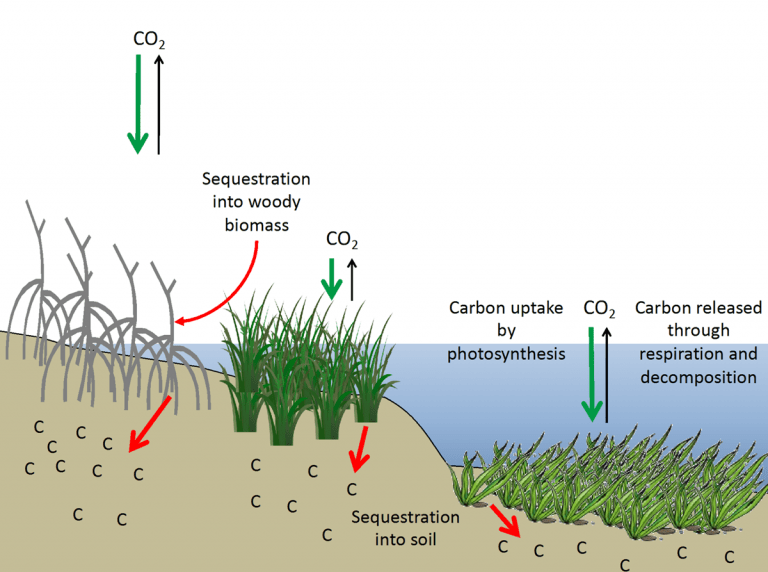
Wetlands are also effective tools for teaching about climate change adaptation. As our planet faces increasing challenges due to global warming, understanding how wetlands mitigate its effects becomes crucial knowledge. Students can explore concepts like carbon sequestration by marshes or the role of mangroves in protecting coastlines from rising sea levels.
Furthermore, engaging with wetland ecosystems encourages critical thinking skills through problem-solving activities centered around conservation efforts. Students can brainstorm innovative ways to preserve these valuable habitats while balancing economic development needs.
Beyond science-based lessons, wetlands present ample possibilities for interdisciplinary learning experiences involving art, literature, history, and social sciences. Wetland-inspired artwork or writing projects allow students to express their creativity while deepening their connection with nature.
Educational visits to local or nearby wetland areas provide hands-on experiences that foster personal growth among students—building resilience as they navigate uneven terrain or face new challenges outside traditional classroom settings.
Lastly, incorporating community engagement into alternative education is crucial, and wetlands offer unique opportunities for students to contribute actively. They can participate in community-led conservation projects, helping preserve these valuable habitats and making a positive impact on their local environment.
In conclusion, wetlands provide a diverse range of learning possibilities that align perfectly with the principles of alternative schooling and education. From biodiversity exploration to climate change adaptation, wetland environments offer hands-on experiences that foster critical thinking skills and interdisciplinary learning. By engaging with wetlands, students not only gain knowledge about the natural world but also develop a deep sense of responsibility towards environmental preservation. So why confine classrooms within walls when nature’s expansive classroom awaits?
 Alternative Amie
Leave a comment