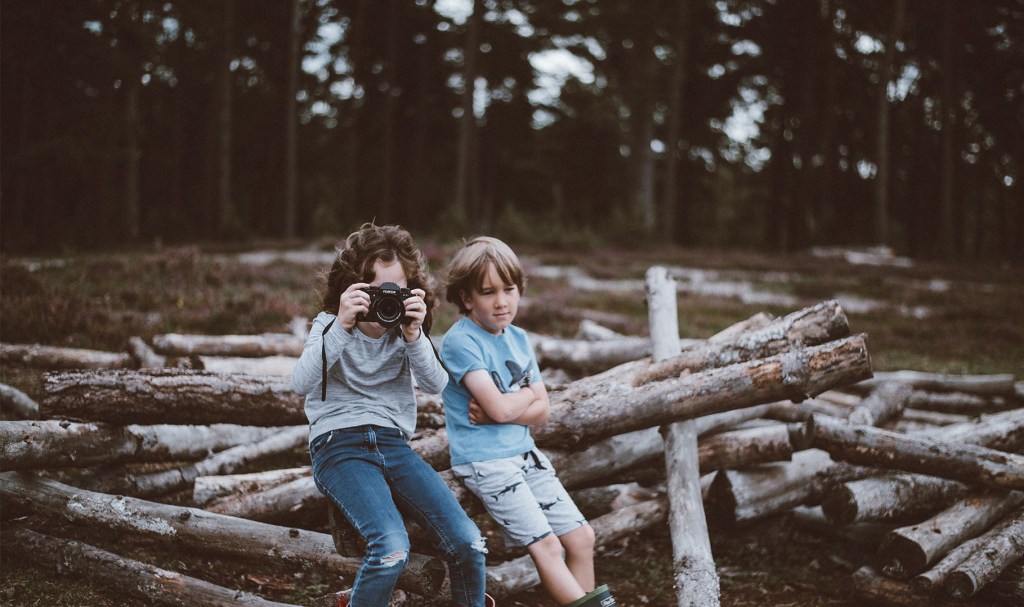
Unschooling, also known as self-directed education or natural learning, is a unique approach to education that allows children to follow their own interests and passions while embracing experiential learning. One of the most enticing aspects of unschooling is the freedom it provides for travel and exploration, allowing children to learn about the world firsthand.
Traditional schooling often confines students within four walls, limiting their ability to experience different cultures, landscapes, and people. Unschooling breaks these barriers by encouraging families to prioritize travel as an essential part of education. By immersing themselves in new environments and cultures, unschoolers gain a deeper understanding of the world around them.
Travel offers countless educational opportunities for unschooled children. When exploring different destinations, they can learn about history by visiting historic sites and museums. They can enhance their knowledge of geography by observing various landscapes and understanding how different regions are shaped by climate conditions. Additionally, they can learn about art and architecture by examining famous landmarks or attending local cultural events.
Beyond academic subjects, traveling also fosters personal growth in numerous ways. Unschoolers have the chance to develop independence and confidence as they navigate unfamiliar places and interact with people from diverse backgrounds. They become adaptable problem solvers when faced with unexpected challenges while on the road. Moreover, experiencing new cuisines exposes them to different flavors and culinary traditions from around the world.
One example of how travel enhances unschooling is through language acquisition. Traditional schooling often limits foreign language instruction to textbooks or classroom exercises; however, traveling allows unschoolers to engage with native speakers in real-life situations where languages come alive. Whether haggling at a market in Morocco or conversing with locals during a homestay in Japan, immersion experiences provide valuable language lessons that cannot be replicated inside a classroom.
Another aspect that makes travel invaluable for unschooled children is its potential for connecting them with like-minded individuals from all walks of life who share similar educational philosophies. Unschooling communities often organize gatherings and conferences around the world, giving families the opportunity to meet others who have chosen this path. These meetings create a supportive network where children can form lasting friendships while also learning from each other’s experiences.
One of the key advantages of travel in unschooling is that it blurs the lines between formal education and real-life experiences. Children learn by doing, witnessing history unfold before their eyes, observing ecological systems firsthand, or engaging in cultural exchanges with locals. This experiential learning fosters a deep understanding and appreciation for subjects that might otherwise remain abstract concepts within the confines of a classroom.
It is important to note that travel does not have to be extravagant or far-reaching; even local trips can provide valuable educational opportunities for unschooled children. Exploring nearby cities, visiting museums, attending workshops or events, and participating in community service projects are all ways to engage in experiential learning without extensive travel expenses.
While traditional schooling often prioritizes memorization and regurgitation of facts, unschooling through travel encourages critical thinking skills and creativity. It allows children to follow their curiosity wherever it may lead them – whether it’s studying marine biology on a beach excursion or delving into ancient civilizations at archaeological sites.
In conclusion, travel plays an integral role in unschooling as it provides unparalleled opportunities for hands-on learning and personal growth. By venturing beyond traditional classrooms, unschooled children gain a rich understanding of various subjects while developing crucial life skills such as adaptability, independence, and empathy. Whether exploring foreign lands or discovering hidden gems close to home, traveling opens doors to endless possibilities for self-directed education through experiential learning.
 Alternative Amie
Leave a comment