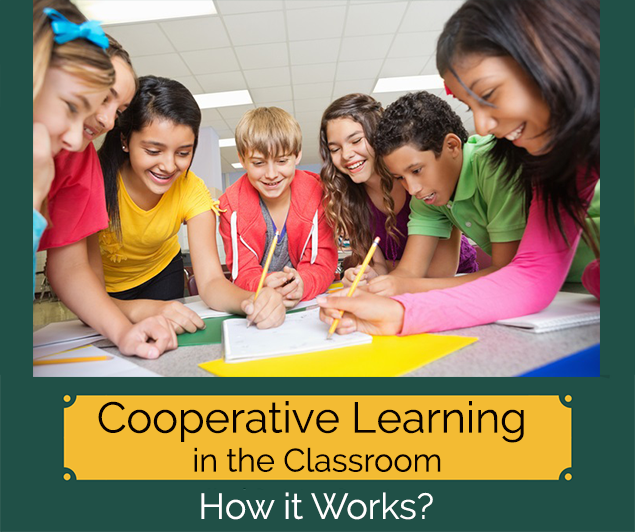
Addressing challenges and conflicts in collaborative learning groups
Collaborative learning is a valuable approach that encourages students to work together, share ideas, and learn from one another. However, it is not without its challenges and conflicts. In order to create a productive and positive environment for collaboration, it is important to address these issues effectively. Here are some strategies for addressing challenges and conflicts in collaborative learning groups:
1. Establish clear expectations: At the beginning of any collaborative project or activity, clearly communicate your expectations regarding behavior, communication, participation, and deadlines. This will help set the tone for teamwork and ensure everyone understands their responsibilities.
2. Foster open communication: Encourage students to express their thoughts and concerns openly within the group. Create an atmosphere where all opinions are valued and respected. Teach effective communication skills such as active listening, paraphrasing, and constructive feedback.
3. Define roles within the group: Assign specific roles or tasks to each member of the group based on their strengths or interests. This can prevent conflicts arising from unequal contributions or overlapping responsibilities.
4. Facilitate conflict resolution: Conflicts are bound to arise in any collaborative setting due to differences in opinions or perspectives. Teach students how to resolve conflicts constructively by encouraging them to listen actively, identify common ground, find compromises, and seek win-win solutions.
5. Promote accountability: Hold each member accountable for their contributions by regularly assessing individual progress against agreed-upon goals or criteria. This can help prevent free-riding behaviors that may lead to frustration among team members.
6.Establish guidelines for resolving disagreements: Educate students about different methods they can use when disagreements arise within the group (e.g., majority vote decision-making process). Encourage compromise but also respect differing viewpoints if consensus cannot be reached.
7.Provide guidance when necessary: As an educator or facilitator of collaborative learning groups, offer support when needed but avoid taking over completely. Encourage students to problem-solve and find solutions independently, fostering their independence and critical thinking skills.
8. Reflect on the process: At the end of each collaborative project or activity, encourage students to reflect on their experience as a group. Discuss what worked well and what could be improved for future collaborations.
By implementing these strategies, educators can help address challenges and conflicts that may arise in collaborative learning groups. This will not only enhance the effectiveness of group work but also teach valuable skills such as communication, teamwork, conflict resolution, and accountability that will benefit students beyond the classroom setting.
 Alternative Amie
Leave a comment