Neurodiversity in Different Environments
Introduction:
Neurodiversity refers to the natural variation in neurological conditions and brain functioning among individuals. It recognizes that neurodevelopmental disorders, such as autism spectrum disorder (ASD), attention deficit hyperactivity disorder (ADHD), dyslexia, and others, are simply different ways of being rather than deficits to be cured or fixed. This concept emphasizes the importance of embracing and accommodating neurodivergent individuals’ unique strengths, perspectives, and abilities. In this article, we will explore how neurodiversity is perceived and supported in various environments worldwide.
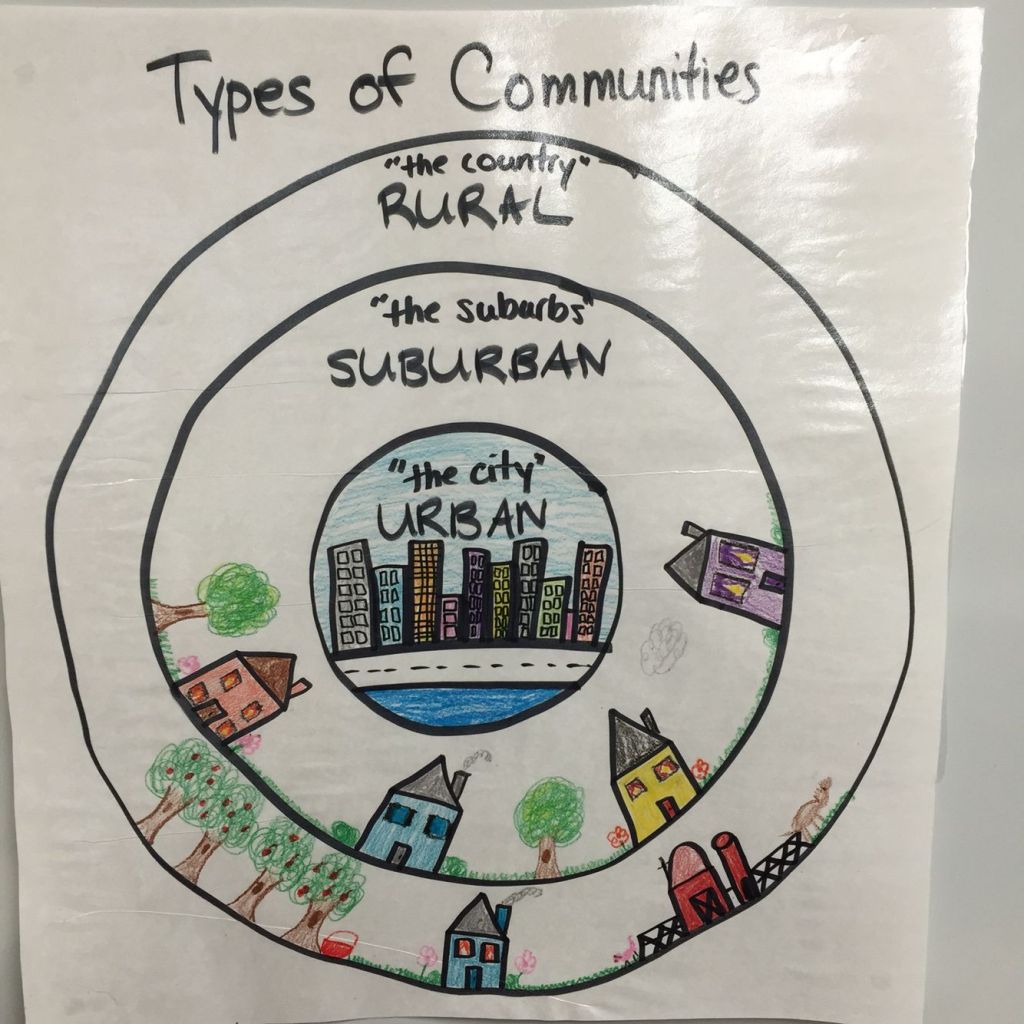
1. Urban Environments:
Urban areas are known for their fast-paced lifestyles, cultural diversity, and accessibility to resources. Many urban centers have started initiatives promoting inclusivity for neurodivergent individuals by offering specialized educational programs, employment opportunities, community support groups, and accessible public spaces. These cities often prioritize sensory-friendly designs in architecture and transportation systems to create a more comfortable environment for those with sensory sensitivities.
2. Rural Communities:
Rural communities tend to have a close-knit social fabric where everyone knows each other. While there may be limited resources compared to urban areas, rural communities often foster an inclusive atmosphere by relying on strong community bonds. Neurodivergent individuals may find support through local organizations or informal networks that provide understanding and acceptance within these tight-knit communities.
3. Suburban Areas:
Suburban regions lie between urban centers and rural landscapes but typically offer a balance between accessibility to resources and a quieter lifestyle compared to bustling cities. Suburbs can vary widely depending on location; however, many suburban areas have seen an increasing awareness of neurodiversity over time. Supportive services like therapy centers specializing in ASD or ADHD treatments are becoming more prevalent in these areas alongside adaptive education programs tailored for diverse learning styles.
4. Developing Countries:
In developing countries where access to healthcare services might be limited, awareness and acceptance of neurodiversity can still be a challenge. However, grassroots organizations and NGOs often work tirelessly to advocate for the rights of neurodivergent individuals in these regions. Efforts may include community outreach programs, training for parents and teachers, and collaborations with international organizations to bring resources and expertise into local areas.
5. Developed Nations:
Developed nations have made significant progress in recognizing and accommodating neurodiversity. These countries typically provide comprehensive support systems that encompass healthcare services, educational accommodations, employment opportunities, legal protections against discrimination, and research funding for further understanding of neurological conditions. They may also have dedicated government agencies or policies aimed at promoting inclusion for neurodivergent individuals.
6. Indigenous Populations:
Indigenous populations have their unique cultural perspectives on neurodiversity that may differ from mainstream approaches. Some indigenous cultures view neurological differences as strengths or gifts rather than disabilities. The emphasis is often placed on integrating neurodivergent individuals’ skills into traditional practices while ensuring community support networks are in place to address specific needs.
7. Arctic Regions:
In remote Arctic regions where communities face isolation due to extreme weather conditions, the challenges related to supporting neurodivergent individuals are amplified by limited access to specialized services such as therapy or diagnostic facilities. However, efforts are being made through telehealth programs that connect experts with families remotely or by providing periodic visits from specialists who travel long distances to reach these communities.
8. Tropical Climates:
Tropical climates often present unique sensory experiences due to high temperatures and humidity levels alongside vibrant natural surroundings filled with diverse flora and fauna soundscape variations. Supportive measures need to consider the impact of heat sensitivity on individuals with certain neurological conditions while celebrating the rich biodiversity that can positively influence mental well-being within these environments.
9. Coastal Areas:
Coastal areas offer a mix of urban development near shoreline cities along with more rural settings further inland or in smaller coastal communities. These regions may provide opportunities for inclusive recreational activities such as beach accessibility programs, water sports training adapted to different needs, and sensory-friendly coastal resorts. Local organizations often collaborate with neurodivergent individuals and their families to design appropriate accommodations and initiatives.
10. Mountainous Regions:
Mountainous regions can pose unique challenges in terms of accessibility, especially for individuals with physical disabilities. However, efforts are being made to ensure inclusivity through the creation of accessible trails, mountain resorts that cater to diverse needs, and educational programs focusing on environmental conservation that engage neurodivergent youth in hands-on experiences within these natural landscapes.
11. Islands and Archipelagos:
Islands present distinct challenges due to limited resources and potential isolation from mainland services. However, island communities often foster tight-knit relationships where everyone knows each other well. Support networks can be developed through collaboration between local governments, community organizations, and neighboring islands to share resources like therapy centers or specialized schools catering specifically to neurodiversity.
12. Deserts and Arid Landscapes:
Desert environments can be challenging due to extreme temperatures, sparse populations scattered across vast areas, limited access to services or infrastructure development compared to more populated regions. It is crucial for support networks here to focus on creating strong partnerships among families living in these remote areas while exploring innovative approaches like telehealth or mobile clinics that bridge gaps in service provision.
13. Rainforests and Jungles:
Rainforests and jungles are rich ecosystems teeming with biodiversity but can also present sensory challenges due to high humidity levels, dense vegetation soundscape variations from wildlife activity. Creating inclusive spaces involves integrating sensory-friendly designs into eco-tourism projects while ensuring local indigenous knowledge about nature’s healing aspects is respected when supporting neurodivergent individuals who live within or visit these environments.
14. Grasslands and Savannas:
Grassland habitats offer open landscapes dotted with diverse flora and fauna, providing unique opportunities for inclusive outdoor activities. Organizations working within these regions may focus on developing nature-based therapies or establishing eco-friendly campsites that cater to diverse needs. Attention is given to sensory considerations like soundscapes, visual stimulation, and accessibility while preserving the natural beauty of these grassland ecosystems.
15. Volcanic Zones:
Volcanic zones pose challenges due to potential geological hazards and limited infrastructure development in some areas. However, local communities often share a strong bond shaped by their shared experiences living near active volcanoes. Collaborative efforts can be led by community leaders and organizations to provide support networks that promote understanding of neurodiversity alongside disaster preparedness initiatives.
16. Lakes and Freshwater Ecosystems:
Lakes and freshwater ecosystems offer serene environments with recreational activities such as boating, fishing, or swimming centers that are inclusive of different abilities. Water therapy programs designed specifically for individuals with neurological conditions have been successful in many locations globally. Collaboration between environmental conservation groups, healthcare providers, educational institutions should ensure accessible facilities alongside maintaining water quality standards.
17.Oceans and Marine Environments:
Oceanic regions present vast spaces where marine life thrives but can also create challenges related to sensory sensitivities due to factors like waves’ sounds or saline water exposure affecting skin sensitivity for some individuals. Initiatives focused on ocean conservation might incorporate accessible beaches, adaptive scuba diving programs tailored for neurodivergent individuals while promoting awareness about marine biodiversity’s therapeutic potential.
18.Border Regions:
Border regions witness cultural diversity resulting from interactions between neighboring countries/regions that can sometimes lead to varied perceptions of neurodiversity across borders. It becomes essential here for cross-border collaborations among governments NGOs supporting neurodivergent individuals ensuring consistent access services regardless national boundaries through information sharing agreements policy harmonization efforts
19.Conflict Zones:
Conflict zones face significant challenges concerning social structures disruption limited resources mental health support systems overall stability making it difficult to address neurodiversity-related needs. Humanitarian organizations working conflict zones focus trauma-informed care approaches that encompass understanding neurological conditions alongside providing safe spaces psychological healing rebuilding communities.
20.Megacities:
Megacities, characterized by high population density and diverse cultural landscapes, have complex challenges due to the sheer scale of urban environments. However, they often have dedicated institutions specializing in neurodiversity support like diagnostic centers, inclusive schools job training programs cater individuals’ unique needs. Urban planning principles promote accessibility sensory-friendly designs public areas transportation systems ensure inclusivity within these bustling metropolises.
21.National Parks and Protected Areas:
National parks protected areas play crucial roles conserving natural heritage promoting sustainable recreational activities preserving biodiversity. Inclusive initiatives should consider accessible trails visitor centers educational programs tailored various learning styles engaging neurodivergent visitors volunteers while ensuring environmental conservation awareness ingrained experiences foster greater appreciation nature’s therapeutic aspects.
22.Historical Sites Cultural Landmarks:
Historical sites cultural landmarks carry rich narratives reflect societies’ heritage traditions pose specific challenges terms physical access preservation historical integrity considering sensory sensitivities architectural design adaptations might necessary ensure neurodivergent individuals fully experience appreciate these important venues promoting inclusive tourism practices education outreach efforts essential fostering understanding acceptance diversity.
23.Religious Communities:
Religious communities hold different beliefs interpretations neurodiversity depending faith traditions perspectives leaders willingness promote inclusivity varies widely some religious groups offer supportive services counseling spiritual guidance resources families navigating intersection religion neurological conditions others may still lack awareness accommodations required create welcoming environment for all congregants regardless abilities
24.Artistic Hubs Creative Spaces:
Artistic hubs creative spaces vibrant environments often embracing uniqueness diversity artists flourish however requires conscious effort ensure accessibility opportunities participation all forms artistic expression organizations strive removing barriers facilities programming accommodate different cognitive emotional processing styles fostering creativity inclusion within these dynamic spheres life
25.Technological Centers:
Technological centers thrive innovation cutting-edge advancements creating possibilities remote work flexible arrangements suited certain neurodivergent individuals preferences strengths. Embracing neurodiversity tech industry involves implementing inclusive hiring practices workplace accommodations fostering supportive work environments promoting positive representations diverse neurological profiles within media advancing assistive technologies enhance accessibility digital resources.
26.Agricultural Landscapes:
Agricultural landscapes deeply rooted traditions community-centered approaches supporting neurodiverse individuals farming communities often close-knit relationships shared values collaboration provides opportunities inclusive employment training programs tailored developing skills agriculture recognizing individual’s unique strengths challenges agricultural sector plays vital role ensuring equitable access resources rural areas.
27.Tourist Destinations:
Tourist destinations cater wide range visitors’ needs creating welcoming atmosphere neurodivergent travelers requires collaborative efforts hospitality tourism industries local organizations initiatives include accessibility audits accommodations sensory-friendly attractions staff training customer service ensure enjoyable experiences all visitors regardless neurological profiles
28.Environmental Conservation Efforts:
Environmental conservation efforts increasingly recognize importance inclusivity embracing diversity within their initiatives partnerships various stakeholders including neurodivergent individuals families organizations promote understanding environmental issues foster greater engagement sustainable practices these collaborations highlight benefits nature-based therapies outdoor activities enhancing mental well-being emphasizing interconnectedness humans natural world leading positive change global scale.
 Alternative Amie
Leave a comment