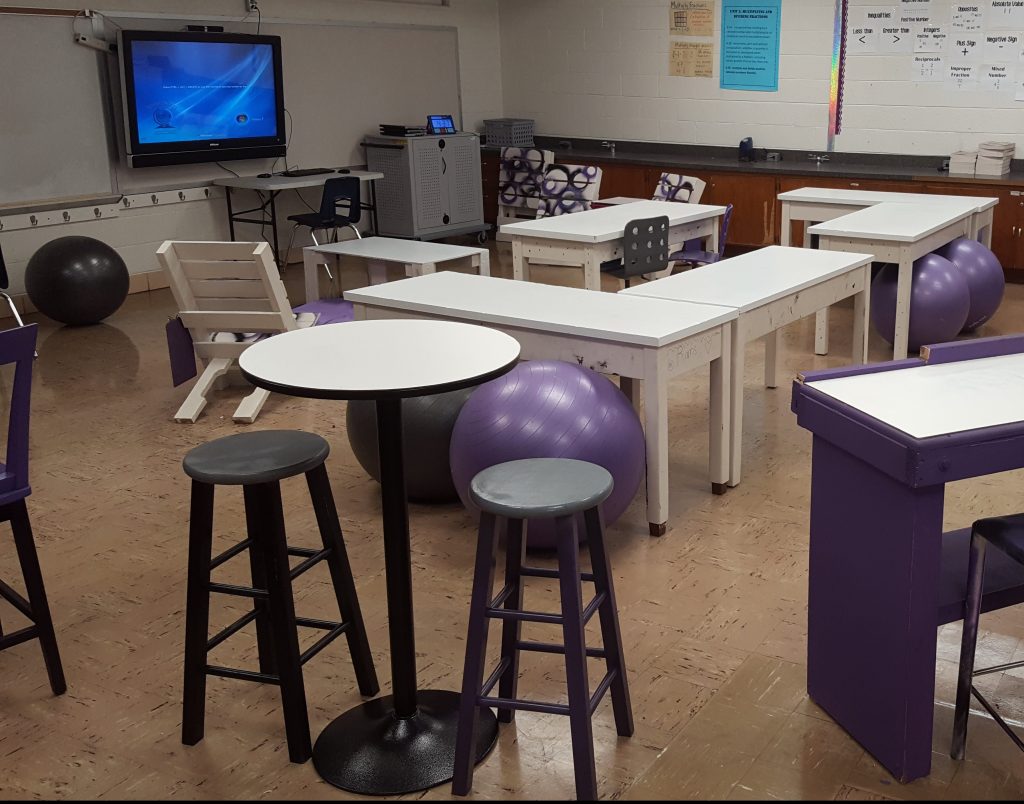
In recent years, there has been a growing trend in education towards implementing flexible seating in the classroom. This innovative approach to learning recognizes that students have different needs and preferences when it comes to their learning environment. By providing a variety of seating options, educators can create a more inclusive and engaging atmosphere for all students. In this article, we will explore how to successfully implement flexible seating in the classroom.
1. Assess your space:
Before making any changes to your classroom setup, take some time to assess your space. Consider the size of the room, the number of students you have, and any existing furniture or resources that may impact your layout options. It’s essential to optimize the available area while also ensuring that there is enough space for movement and collaboration.
2. Plan an effective layout:
Once you have assessed your space, plan out an effective layout that incorporates various seating options. Start by creating zones within the classroom based on different activities such as independent work areas, collaborative spaces, reading corners, or presentation areas.
Consider incorporating different types of seating arrangements such as traditional desks with chairs, standing desks or tables with stools for those who prefer movement or alternate positioning options like bean bags or floor cushions for those who need a more relaxed setting.
3. Involve students in decision-making:
To make sure that everyone feels comfortable and engaged in their learning environment, involve your students in decision-making around flexible seating choices. Conduct surveys or hold class discussions where students can express their preferences and share ideas about what seating arrangements they find most conducive to their learning style.
4. Establish guidelines:
While implementing flexible seating allows for greater autonomy and freedom of choice for students, it’s important to establish guidelines from the start so that expectations are clear and behavior remains respectful towards others’ needs.
Create simple rules around choosing seats (e.g., first come first served), respecting personal space during group work sessions (e.g., no invading someone else’s designated area), and maintaining a clean and organized classroom (e.g., returning furniture to its original position).
5. Provide variety:
To cater to the diverse needs of your students, it’s crucial to provide a variety of seating options. Some students may prefer sitting on stability balls or wobble cushions, while others might enjoy standing at a tall table or using lap desks on the floor.
Consider creating different “stations” within your classroom where students can choose their preferred seating option based on their task or mood. This flexibility allows for individualized learning experiences and promotes student engagement.
6. Teach self-regulation skills:
Flexible seating encourages students to take responsibility for their own learning environment, fostering independence and self-regulation skills. However, it’s important to explicitly teach these skills so that students understand how to make appropriate choices during different activities.
Introduce strategies for self-reflection, such as encouraging students to recognize when they need a change in their seating choice or providing them with tools like noise-canceling headphones if they require quiet concentration. These skills will empower them to create an optimal learning environment that suits their individual needs.
7. Monitor and adjust as needed:
As with any new approach, monitoring the effectiveness of flexible seating is essential. Observe how well your students are adapting to the new setup and gather feedback from both teachers and learners regularly.
Make adjustments based on this feedback; perhaps some seating options are not being utilized as much as anticipated while others are in high demand. Flexibility is key when implementing flexible seating – be open-minded about making changes that better support your class dynamics.
8. Communicate with parents:
Keep parents informed about the benefits of flexible seating and how it supports their child’s individual learning needs by sending out regular updates via newsletters, emails, or parent-teacher conferences.
Additionally, invite parents into the classroom occasionally so they can experience firsthand how flexible seating works in practice. Encouraging collaboration between home and school ensures consistency and helps parents understand the rationale behind this innovative approach.
In conclusion, implementing flexible seating in the classroom is a powerful way to create an inclusive and engaging learning environment. By assessing your space, planning an effective layout, involving students in decision-making, establishing guidelines, providing variety, teaching self-regulation skills, monitoring progress, and communicating with parents – you can successfully implement flexible seating and enhance student engagement and success. Remember that flexibility is key; be open to adjustments based on feedback and always prioritize what works best for your unique group of learners.
 Alternative Amie
Leave a comment