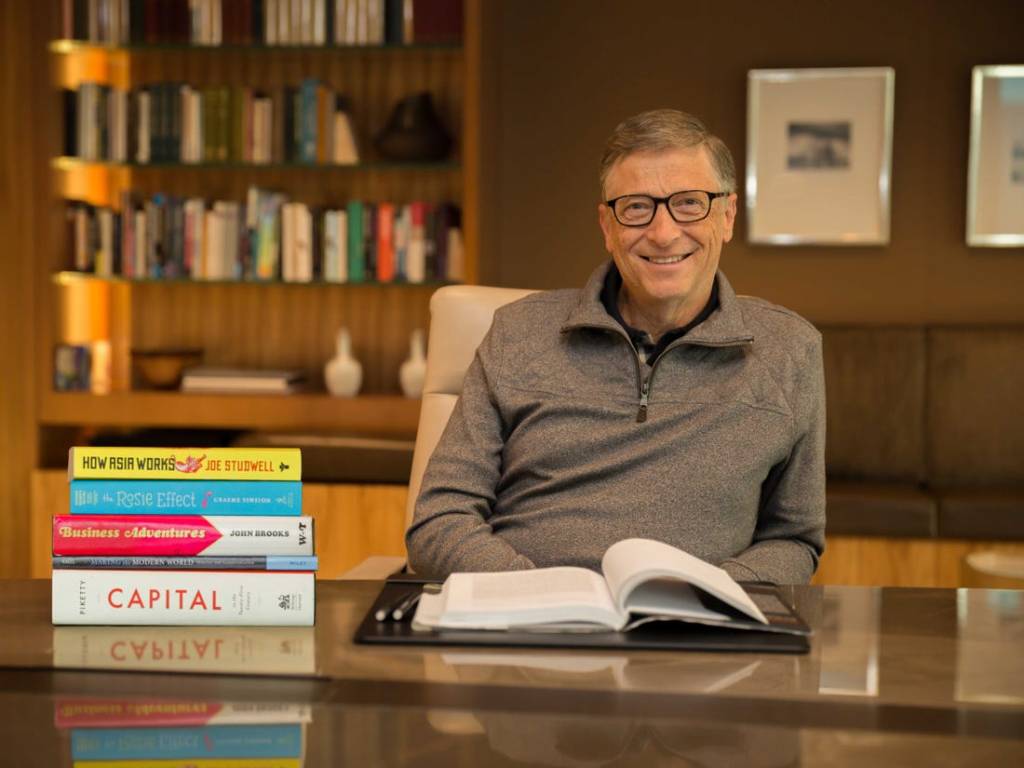
Bill Gates: A Pioneer in Alternative Schooling and Education
Introduction:
In the realm of alternative schooling and education, few names command as much respect and admiration as Bill Gates. Known primarily for his remarkable success as a technology entrepreneur and philanthropist, Gates has also made significant contributions to reshaping traditional education systems around the world. Through his foundation’s initiatives, innovative ideas, and creative approaches to learning, Gates has left an indelible mark on the field of education. In this memoir-style post, we will explore the journey of Bill Gates as he became a pioneer in alternative schooling and education.
Early Years:
William Henry Gates III was born on October 28th, 1955, in Seattle, Washington. From an early age, it was evident that young Bill possessed exceptional intelligence and an insatiable curiosity about the world around him. He excelled academically but often found himself bored with traditional school curricula that failed to challenge him adequately.
Gates’ parents recognized their son’s thirst for knowledge and enrolled him at Lakeside School – a private institution known for its progressive educational approach. It was here that he had his first exposure to computers—a pivotal moment that would shape his future endeavors.
The Birth of Microsoft:
Gates’ passion for computers continued to grow throughout his teenage years when he formed a partnership with Paul Allen – another brilliant mind captivated by emerging technologies. Together they developed Altair BASIC – a programming language interpreter designed specifically for the MITS Altair 8800 microcomputer.
This groundbreaking achievement laid the foundation for Microsoft Corporation which officially launched in 1975 with Gates at its helm as CEO. As Microsoft grew into a global powerhouse during the personal computer revolution of the 1980s and ’90s, Bill always remained committed to innovation not only within technology but also within education.
Investment in Education:
As one of the wealthiest individuals globally, Bill Gates recognized both the power and responsibility that came with his fortune. In 1994, he established the William H. Gates Foundation (now known as the Bill & Melinda Gates Foundation) alongside his wife, Melinda Gates.
From its inception, the foundation has dedicated a significant portion of its resources to improving education worldwide. Gates’ vision was to ensure that every student had access to high-quality education regardless of their socio-economic background.
Initiatives in Alternative Schooling:
One of the foundation’s most notable initiatives is “The Next Generation Learning Challenges.” Launched in 2010, this program focuses on accelerating educational innovation through technology adoption. It supports schools and organizations that are reimagining learning experiences for students by leveraging digital tools and personalized instruction.
Through this initiative, Gates aimed to bridge gaps in traditional schooling systems and harness the potential of online learning platforms. The program provides grants to schools and educational institutions willing to experiment with new teaching methods centered around customization and individualized progress tracking.
Another groundbreaking endeavor led by Gates is “Big History Project,” an interdisciplinary course designed for high school students. Developed in collaboration with educators from around the world, it seeks to expand students’ horizons beyond traditional subject boundaries by exploring history from multiple scientific perspectives.
By incorporating various disciplines such as cosmology, biology, anthropology, economics, and more into one comprehensive curriculum framework, Big History Project encourages critical thinking skills while fostering a broader understanding of our interconnected world.
Influence on Policy:
Bill Gates has also been active in advocating for policy changes aligned with alternative schooling principles. His influence extends not only within the United States but also globally through partnerships with governments and organizations committed to transforming education systems at large scales.
Gates believes that effective teaching plays a pivotal role in unlocking every student’s potential. To support this belief, his foundation introduced “Measures of Effective Teaching” (MET), an extensive research project aiming to identify key factors contributing to effective teaching practices. By analyzing various teaching methods and their impact on student outcomes, MET provides valuable insights for administrators and educators seeking to improve instructional quality.
Furthermore, Gates has been instrumental in supporting the Common Core State Standards (CCSS) initiative, which seeks to establish consistent educational benchmarks across states. While this effort has faced criticism from some quarters, it reflects Gates’ commitment to ensuring equal opportunities for all students by setting high expectations and providing clear guidelines for teachers.
Conclusion:
Bill Gates’ journey from a curious young student to a pioneer in alternative schooling and education is an inspiring testament to his unwavering dedication. Through his foundation’s initiatives, he has actively pursued innovative approaches that challenge traditional educational systems while striving towards equitable access for all students.
As we continue to navigate an ever-changing world, the influence of Bill Gates will undoubtedly shape the future of education. His emphasis on personalized learning experiences, technological integration, interdisciplinary teaching methods, and policy reform heralds a new era in alternative schooling—an era driven by creativity and adaptability that empowers every student to reach their full potential.
 Alternative Amie
Leave a comment