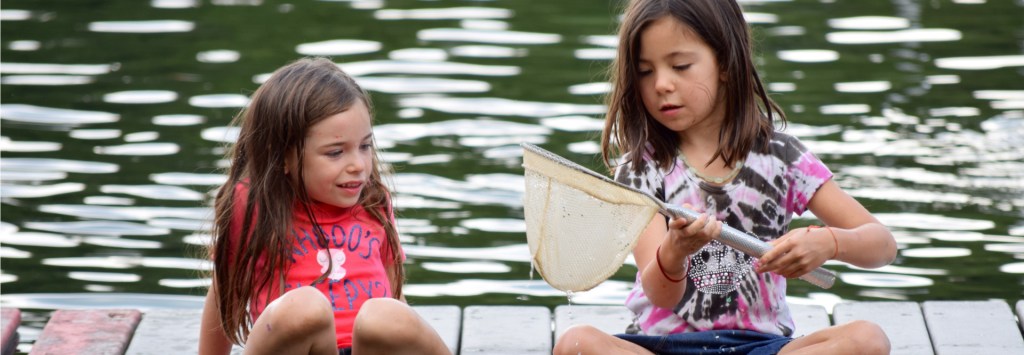
Unschooling: A Path to Freedom and Self-Directed Learning
In a traditional education system, students are expected to follow a predetermined curriculum, attend classes at fixed times, and adhere to strict rules and regulations. However, an increasing number of parents and educators are questioning the effectiveness of this one-size-fits-all approach. This has led to the rise in alternative educational methods such as unschooling.
What exactly is unschooling? It is an approach that advocates for self-directed learning rather than following a structured curriculum. Unschoolers believe that children have an innate curiosity and desire to learn, which can be fostered by allowing them the freedom to pursue their own interests.
Unlike traditional schooling where subjects are compartmentalized into separate disciplines, unschooling encourages an interdisciplinary approach. For example, if a child shows interest in dinosaurs, they may explore various aspects of paleontology including history, biology, geology, and mathematics – all while pursuing their genuine passion.
One of the key principles of unschooling is that learning happens naturally in everyday life. Unschoolers reject the notion that education only takes place within the confines of a classroom or during designated “study hours.” Instead, they embrace real-life experiences as valuable learning opportunities. Whether it’s going on field trips to museums or engaging in hands-on projects at home or in their community – every experience becomes a chance for growth and development.
Advocates argue that unschooling allows children to take ownership of their education. By giving them control over what they learn and when they learn it, it fosters autonomy and independence. This approach helps develop critical thinking skills as children actively seek out information based on their own interests or problems they encounter along the way.
Unschooling also recognizes that individuals have different learning styles and paces. Rather than forcing all students through standardized assessments or arbitrary grade levels, each child progresses at their own speed according to their unique abilities and strengths. This personalized approach ensures that children are not left behind or held back due to the limitations of a rigid system.
Another advantage of unschooling is the emphasis on holistic development. Traditional education often focuses solely on academic achievement, neglecting other important aspects such as emotional intelligence, social skills, and practical life skills. Unschoolers believe in nurturing well-rounded individuals who are equipped to navigate the complexities of the real world.
Critics argue that unschooling may lead to gaps in knowledge or lack of essential skills compared to traditional schooling. However, proponents assert that this concern is unfounded as unschooled children have ample opportunities for self-directed learning through various resources such as books, documentaries, online courses, and mentorships.
Unschooling also cultivates a love for lifelong learning. By allowing children to explore their passions without pressure or external incentives like grades or rewards, they develop an intrinsic motivation to continue learning beyond their school years. This mindset fosters curiosity and innovation – qualities highly valued in today’s rapidly changing world.
It’s important to note that successful implementation of unschooling requires active involvement from parents or guardians. They act as facilitators rather than lecturers – providing support, resources, guidance when needed, but ultimately respecting their child’s autonomy and decision-making process. Parents play an integral role in creating an environment conducive to learning by exposing their child to diverse experiences and encouraging exploration.
Unschooling is not without its challenges. It demands flexibility from both parents and children alike. It requires trust in the natural learning process even if it deviates from conventional expectations or timelines. Moreover, unschoolers may face skepticism from friends, family members, or society at large who question the validity of this unconventional method.
In conclusion, unschooling offers an alternative approach to education that prioritizes individuality, self-direction, and holistic growth over conformity and standardization. By embracing real-life experiences as valuable educational opportunities and allowing children to pursue their passions, unschooling nurtures lifelong learners who are equipped to adapt and thrive in an ever-evolving world. While it may not be suitable for everyone, unschooling encourages us to critically examine the purpose of education and consider alternative paths towards a more fulfilling and meaningful learning journey.
 Alternative Amie
Leave a comment