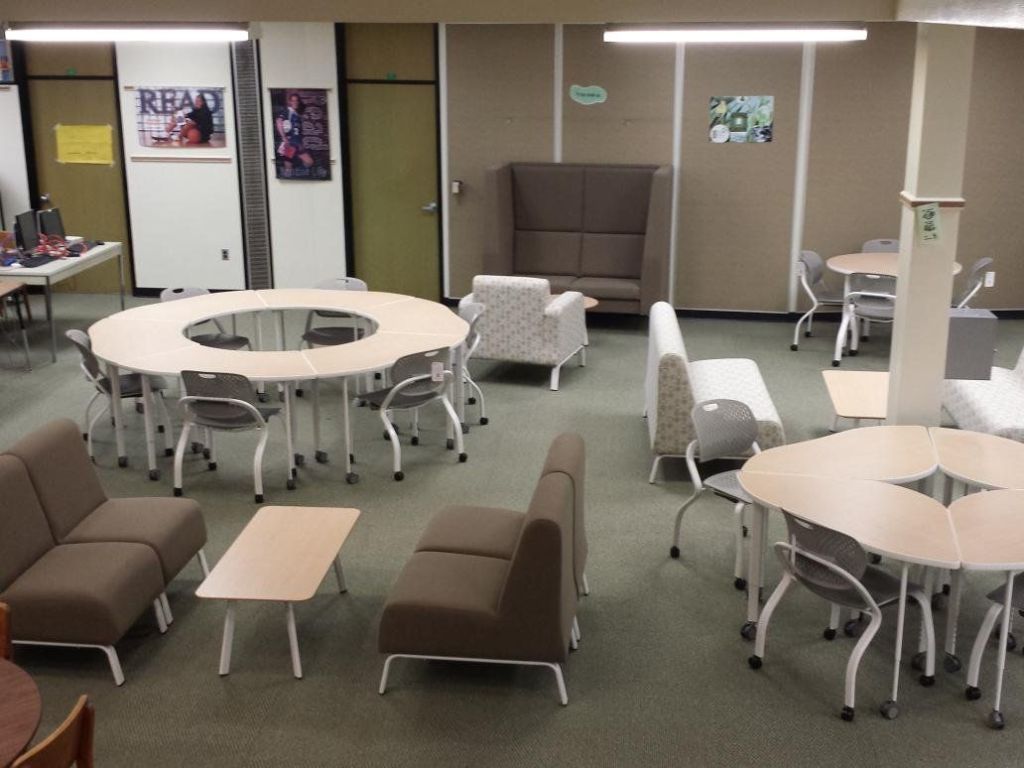
Designing a Flexible Library Space
When it comes to designing a library space for alternative schooling and education, flexibility is key. A library should be a dynamic environment that can adapt to the changing needs of students and educators.
One important aspect to consider is the layout of the space. Instead of traditional rows of desks and chairs, opt for movable furniture such as tables on wheels or lightweight chairs that can easily be rearranged. This allows for different seating arrangements depending on the activity at hand, whether it’s group work, individual study, or collaborative projects.
Another essential element is technology integration. Make sure there are ample power outlets and charging stations throughout the library so that students can use their devices without limitations. Additionally, consider setting up designated areas for multimedia presentations or virtual collaboration spaces where students can connect with peers from other schools or even countries.
Creating zones within the library also helps cater to various learning styles and preferences. Have quiet areas where students can focus on reading or studying alone, as well as interactive spaces where hands-on activities and discussions can take place. Incorporate comfortable seating options like bean bags or floor cushions in these zones to provide a relaxed atmosphere conducive to creativity and exploration.
Furthermore, don’t forget about storage solutions. Provide plenty of shelves for books and resources but also include lockers or cubbies where students can store their personal belongings during library time.
Lastly, engage students in the design process by gathering their input through surveys or focus groups. By involving them in decision-making regarding colors schemes, furniture selection, or additional features they would like to see implemented in their library space makes them feel valued and increases ownership over their learning environment.
In conclusion, designing a flexible library space requires thoughtful consideration of layout, technology integration, zoning strategies as well as student involvement in decision-making processes. By creating an adaptable environment that meets individual learning needs while fostering collaboration and innovation, we set our alternative schools up for success in providing an enriching educational experience.
 Alternative Amie
Leave a comment