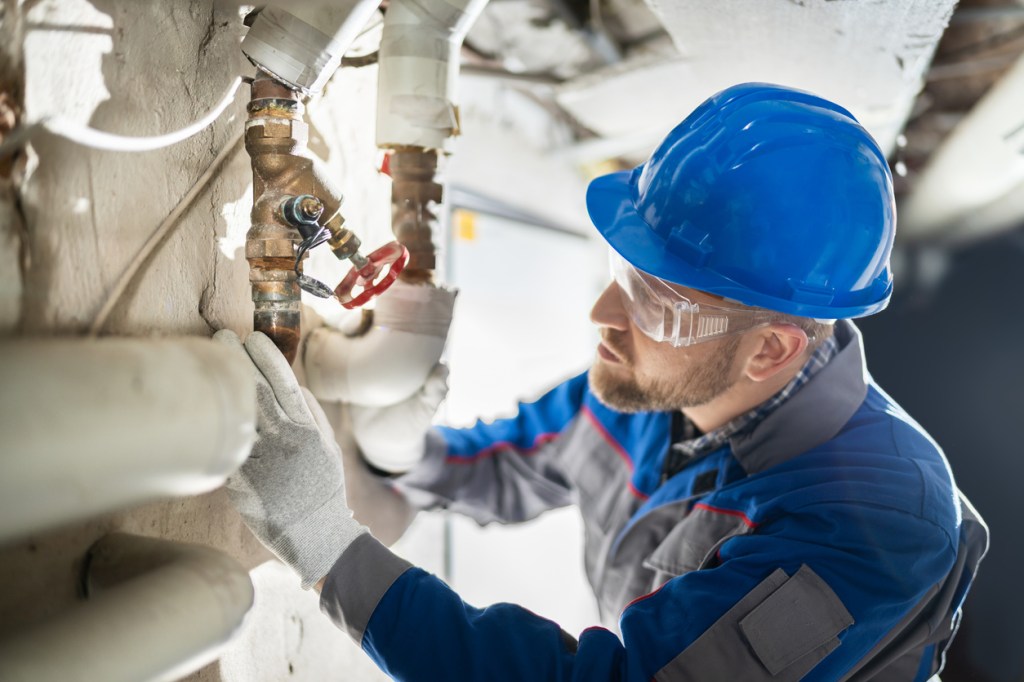
Plumbing: An Essential Skill for Alternative Education
Introduction:
In alternative education, students are encouraged to explore various skills and trades that can empower them in their personal and professional lives. One such skill that is often overlooked but is essential for everyday life is plumbing. Understanding the basics of plumbing not only allows individuals to fix minor issues around their homes but also opens up opportunities for a rewarding career path.
In this article, we will delve into the world of plumbing, discussing its importance, the skills required, and how it can be incorporated into alternative education programs.
Understanding Plumbing:
Plumbing refers to the system of pipes, fixtures, valves, and other apparatuses used to distribute water throughout a building or structure. It encompasses both water supply systems and drainage systems. While many people take plumbing for granted until something goes wrong, it plays a crucial role in our day-to-day lives.
Importance of Plumbing Skills:
1. Self-sufficiency:
Having basic plumbing knowledge empowers individuals to handle minor repairs themselves without having to rely on expensive professional services. This self-sufficiency not only saves money but also instills confidence in one’s ability to solve problems independently.
2. Sustainable living:
Alternative education often emphasizes sustainable practices and reducing our ecological footprint. By understanding how plumbing systems work, individuals can make informed decisions about water usage, identify leaks promptly (thus conserving precious resources), and even install water-saving devices like low-flow faucets or dual-flush toilets.
3. Career opportunities:
While pursuing higher education or entrepreneurial endeavors might be the primary focus of alternative education programs, acquiring trade skills like plumbing can provide additional career options. The demand for skilled plumbers remains high across residential, commercial, industrial sectors – offering stable employment with competitive wages.
Skills Required for Plumbing:
1. Technical Knowledge:
A solid foundation in mathematics is essential as plumbers frequently need calculations involving measurements and pipe diameters during installations or repairs. Additionally, understanding physics principles such as pressure, flow rates, and gravity assists in troubleshooting plumbing problems effectively.
2. Problem-solving:
Plumbing issues often require critical thinking to identify the root cause of a problem. Plumbers must be adept at diagnosing the issue through logical deduction and analysis before implementing appropriate solutions.
3. Manual dexterity:
Working with pipes and fittings requires good hand-eye coordination and manual skills. Plumbers need to handle various tools like wrenches, pipe cutters, or soldering equipment with precision to ensure proper connections and watertight seals.
4. Safety awareness:
Plumbers work with potentially hazardous materials such as natural gas or toxic chemicals. Understanding safety protocols, wearing protective gear, and following industry standards is crucial for personal well-being and preventing accidents.
Including Plumbing in Alternative Education:
1. Hands-on workshops:
Alternative education programs can organize hands-on workshops where students learn basic plumbing techniques under the guidance of experienced professionals. These workshops can cover topics like fixing leaks, replacing faucets, installing toilets, or unclogging drains – providing practical skills that are immediately applicable in real-life scenarios.
2. Collaborations with trade schools:
Partnering with local trade schools allows alternative education institutions to offer specialized plumbing courses taught by certified instructors who have extensive knowledge of the field. This collaboration provides an opportunity for interested students to gain comprehensive training along with recognized certifications.
3. Apprenticeships:
Creating apprenticeship opportunities within alternative education programs enables students to gain valuable on-the-job experience alongside seasoned plumbers while earning a wage simultaneously. This hands-on learning approach not only enhances technical skills but also imparts essential professional etiquette and workplace ethics.
Conclusion:
As alternative education continues to evolve towards a more holistic approach focused on equipping individuals with a wide range of practical skills, plumbing should not be overlooked as an essential area of study.
Understanding plumbing basics empowers individuals to become self-sufficient homeowners while contributing towards sustainable living practices by conserving water resources. Furthermore, plumbing skills can open up promising career paths in a field that consistently demands skilled professionals.
By incorporating plumbing into alternative education programs through workshops, collaborations with trade schools, or apprenticeship opportunities, students can gain valuable knowledge and experience that will benefit them throughout their lives.
 Alternative Amie
Leave a comment