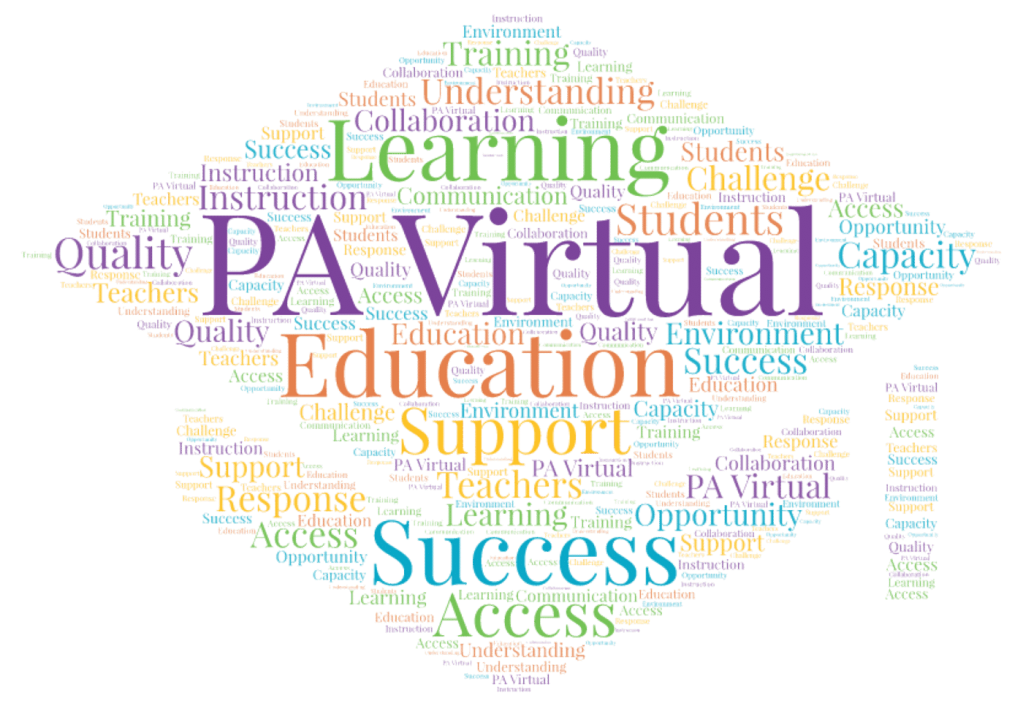
Virtual schooling has become an increasingly popular option for many students, offering flexible schedules and a personalized learning experience. However, when it comes to special education, there are unique challenges that need to be addressed in order to ensure that all students receive the support they need. In this panel discussion, we will explore the key considerations and strategies for providing special education in virtual schools.
One of the primary concerns in virtual schooling is how to effectively assess and identify students with special needs. In traditional brick-and-mortar schools, teachers have direct contact with their students on a daily basis which makes it easier to recognize signs of learning disabilities or other challenges. In a virtual setting, however, educators must rely on alternative methods such as online assessments or parent input. It is crucial for virtual schools to have comprehensive screening processes in place to accurately identify students who require additional support.
Once a student has been identified as needing special education services, the next challenge lies in providing appropriate accommodations and modifications within the virtual learning environment. Individualized Education Programs (IEPs) play a critical role in outlining these supports but may need to be adapted for online delivery. Virtual schools must ensure that they have trained professionals who can collaborate with parents and create IEPs tailored to meet each student’s unique needs.
In addition to academic support, social-emotional development is another important aspect of special education that cannot be overlooked in virtual school settings. Students with emotional or behavioral disorders may struggle even more without face-to-face interactions and peer relationships offered by traditional classrooms. Virtual schools should implement strategies like video conferencing sessions or online counseling services so that students can still receive the necessary social-emotional support from trained professionals.
Another consideration is how assistive technology can be leveraged effectively in virtual classrooms. Assistive technology tools such as screen readers, text-to-speech software, or speech recognition programs can greatly enhance accessibility for students with disabilities. Virtual schools should work closely with families and specialists to ensure that students have access to the appropriate assistive technology tools and receive training on how to use them effectively.
Lastly, virtual schools must prioritize ongoing communication and collaboration between teachers, parents, and special education providers. Open lines of communication are vital in addressing any concerns or challenges that may arise regarding a student’s progress or needs. Regular virtual meetings or check-ins can be scheduled to discuss individual student’s goals, modifications, and progress towards meeting those goals.
In conclusion, providing special education in virtual schools requires careful planning and consideration. From effective assessment methods to incorporating accommodations and modifications within the online learning environment, it is crucial for virtual schools to provide comprehensive support for students with special needs. By utilizing technology tools appropriately and fostering open lines of communication between all stakeholders involved, virtual schools can create an inclusive learning experience that meets the unique needs of every student.
 Alternative Amie
Leave a comment