Montessori Education: A Holistic Approach to Learning
Education plays a vital role in shaping the future of individuals and societies. Traditional schooling methods have long dominated the landscape, but alternative approaches, such as Montessori education, have gained popularity in recent years due to their unique philosophy and approach to learning.
Developed by Italian physician and educator Maria Montessori in the early 20th century, Montessori education emphasizes a holistic approach that focuses on nurturing each child’s individuality and natural curiosity. The key principles of this educational method are freedom, independence, observation, and respect for the child.
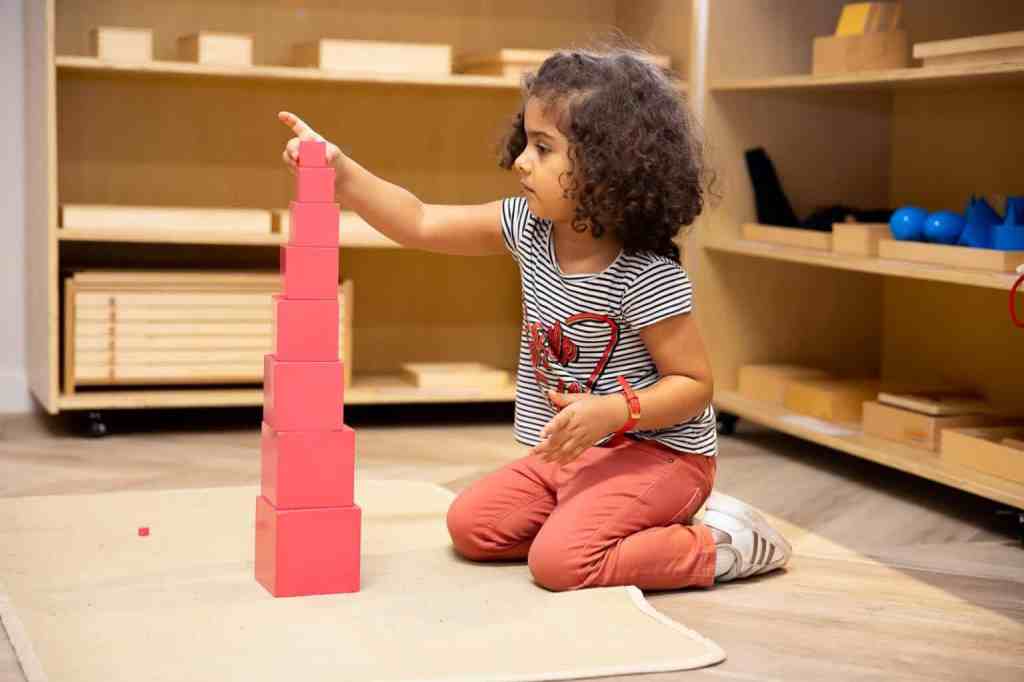
One of the fundamental aspects of Montessori education is its emphasis on hands-on learning. In a Montessori classroom, you won’t find rows of desks or a teacher at the front delivering lectures. Instead, students engage in self-directed activities using specialized materials designed specifically for their age group. These materials help children develop cognitive skills while allowing them to explore concepts at their own pace.
Another crucial element is mixed-age classrooms. Rather than grouping students solely based on age or grade level, Montessori classrooms incorporate multi-age groups. This arrangement fosters collaboration among peers and encourages older children to become mentors for younger ones. It also allows students to progress academically without feeling rushed or held back by rigid timelines.
In addition to academics, Montessori education places great importance on character development and social-emotional growth. Children learn essential life skills such as problem-solving, decision-making, responsibility, empathy, and conflict resolution through practical experiences within a supportive community setting.
Furthermore,Montessori educators act as facilitators rather than traditional teachers who dictate knowledge from above. They observe each student’s progress closely and provide guidance when needed while promoting self-discipline and intrinsic motivation.
Critics argue that because there is less emphasis on structured curriculum in Montessori schools compared to traditional ones; students may not acquire sufficient knowledge in certain subjects. However, research has shown that Montessori students perform just as well academically, if not better, than their peers in traditional schools.
Moreover, Montessori education seeks to cultivate a lifelong love of learning rather than merely focusing on test scores or grades. By promoting curiosity and independence from an early age, children develop a genuine passion for acquiring knowledge and continue to be self-motivated learners throughout their lives.
Montessori education is not without its challenges. The specialized materials used can be costly, making it difficult for some schools to adopt this method fully. Additionally, due to the unique nature of Montessori classrooms, transitioning into mainstream educational settings might pose challenges for some students.
In conclusion,Montessori education offers a refreshing alternative to traditional schooling methods by nurturing children’s innate desire to learn through hands-on experiences and individualized approaches. This philosophy allows children to develop not only academically but also socially and emotionally. By prioritizing the holistic growth of each child and fostering a love of learning from an early age,Montessori education sets the stage for a lifetime of success and fulfillment.
 Alternative Amie
Leave a comment