Competency Frameworks and Standards: Shaping Education for Success
Introduction:
In today’s rapidly changing world, traditional educational models are no longer sufficient to prepare students for the challenges they will face in their personal and professional lives. As a result, alternative approaches to education have gained significant traction. One such approach is the use of competency frameworks and standards, which aim to provide a more holistic and practical education experience. In this article, we will explore what competency frameworks and standards are, how they can be implemented in alternative schooling systems, and the benefits they offer to students.
Understanding Competency Frameworks:
A competency framework is a comprehensive set of skills, knowledge areas, attitudes, behaviors, and values that define desired outcomes or performance criteria within a specific domain or profession. It goes beyond conventional subject-based learning by focusing on real-world application rather than theoretical knowledge alone.
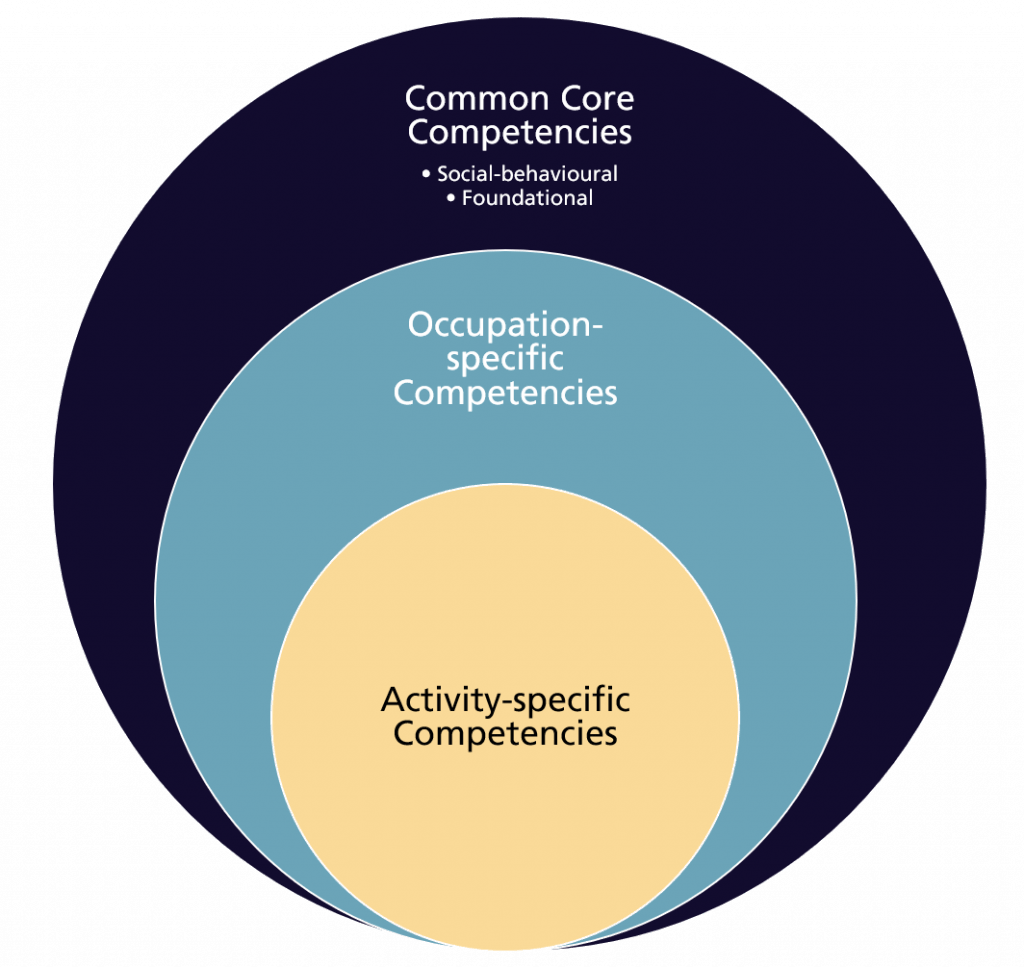
Competencies can be categorized into two types: foundational competencies (essential skills like communication or critical thinking) and technical competencies (specific skills related to a particular field). A well-designed competency framework considers both these aspects while also considering future trends and industry demands.
Implementing Competency Frameworks in Alternative Schools:
Alternative schools often emphasize personalized learning experiences tailored to individual student needs. The flexibility inherent in these environments makes them ideal for implementing competency frameworks effectively.
1. Identifying Core Competencies:
The first step in implementing a competency framework is identifying core competencies aligned with the school’s mission statement or educational philosophy. This involves conducting thorough research on relevant industry trends as well as consulting experts from various fields.
2. Mapping Curriculum:
Once core competencies are established, curriculum mapping takes place to identify where each competence fits within existing subjects or modules. This ensures that all necessary skills are covered while still maintaining coherence with traditional academic requirements.
3. Designing Assessments:
Assessments play a crucial role in measuring student progress against defined competencies accurately. Traditional exams may not be sufficient to evaluate competency-based learning; hence, alternative assessment methods such as project-based assessments, portfolios, or real-world simulations are employed.
4. Implementing Personalized Learning Plans:
Competency frameworks allow for personalized learning plans tailored to each student’s strengths and areas of improvement. By focusing on individual progress rather than a one-size-fits-all approach, students can develop at their own pace while still meeting the required competencies.
Benefits of Competency Frameworks in Alternative Education:
1. Real-World Relevance:
Competency frameworks ensure that education remains relevant by aligning it with current and future industry requirements. Students gain practical skills that directly translate into employability and success beyond traditional academics.
2. Holistic Development:
By encompassing both foundational and technical competencies, alternative schools utilizing competency frameworks promote holistic development among students. This equips them with well-rounded skill sets necessary for success in diverse fields and life situations.
3. Individualized Learning Experience:
The flexible nature of competency-based learning allows students to progress at their own pace. They have the freedom to delve deeper into subjects they excel in while receiving additional support where needed. This fosters a sense of ownership over their education and enhances self-motivation.
4. Enhanced Problem-Solving Abilities:
Competency-based learning encourages critical thinking, problem-solving skills, creativity, and adaptability – all essential qualities required in today’s rapidly changing world. Students learn how to apply theoretical knowledge practically, making them better equipped for professional challenges ahead.
5.The Alignment with Industry Standards:
Employers often face challenges finding candidates who possess the necessary skills for specific job roles or industries due to the gap between educational institutions’ offerings and market demands.
By incorporating competency frameworks aligned with industry standards within alternative schools’ curricula, graduates are better prepared to enter the workforce seamlessly without requiring extensive retraining or onboarding processes.
Case Study: The Montessori Method
One prime example of an alternative education approach that utilizes competency frameworks is the Montessori Method. Developed by Dr. Maria Montessori, this child-centered approach focuses on fostering independence and individuality while promoting cognitive, social, emotional, and physical development.
Montessori schools use a carefully designed curriculum that addresses various competencies such as problem-solving, communication skills, empathy, and self-discipline. Students engage in hands-on activities with specially designed materials to develop these competencies at their own pace.
Conclusion:
Competency frameworks and standards have emerged as effective tools in shaping alternative education systems for success. By focusing on real-world application rather than rote memorization of facts, these frameworks prepare students for the challenges they will face beyond traditional academics. Through personalized learning plans and assessments aligned with industry requirements, students gain holistic skill sets that enhance their employability and adaptability in diverse fields. The case study of the Montessori Method exemplifies how competency-based approaches can successfully shape alternative schooling systems to meet the needs of today’s learners. As we continue to navigate an ever-changing world, competency frameworks provide a roadmap for educational institutions striving to equip students with the skills they need to thrive in their future endeavors.
 Alternative Amie
Leave a comment