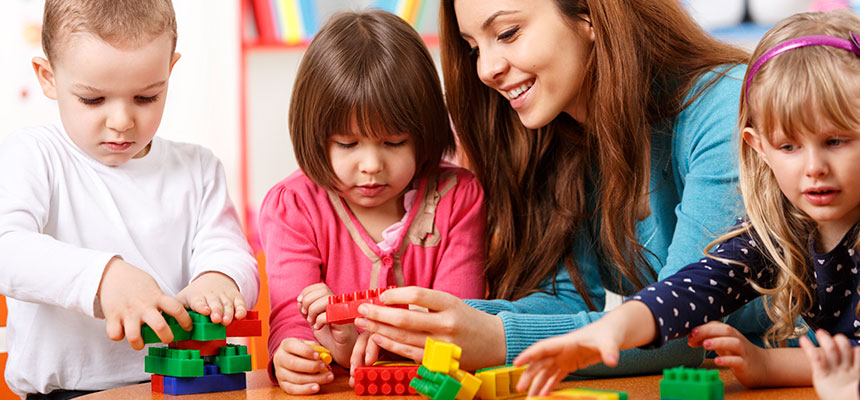
Play-based learning approaches have gained significant popularity in alternative schooling models. These approaches recognize the importance of play in a child’s development and utilize it as a primary method of teaching and learning. By integrating play into the curriculum, students not only acquire academic knowledge but also develop essential life skills such as problem-solving, creativity, and social interaction. Here are eight examples of alternative schools that embrace play-based learning to foster holistic growth among their students.
1. Montessori Schools: Founded by Maria Montessori, these schools emphasize self-directed learning through hands-on activities. Students engage in purposeful play with specially designed materials that promote exploration and discovery. This approach allows children to learn at their own pace while developing independence and concentration.
👉 Check it out: Shop Resistance Bands on Amazon
2. Waldorf Schools: Based on Rudolf Steiner’s educational philosophy, Waldorf schools focus on nurturing imagination and creativity through imaginative play, storytelling, arts, and crafts. Play is considered an essential element for developing cognitive skills, emotional intelligence, and social abilities.
👉 Check it out: Shop Yoga Mat on Amazon
3. Reggio Emilia Approach: Originating in Italy after World War II, this approach encourages children to explore their environment through open-ended activities known as “provocations.” Students engage in collaborative play where they can express themselves creatively while teachers act as facilitators to support their learning process.
4. Forest Schools: These outdoor-based schools provide children with opportunities to connect with nature while engaging in free play activities such as building shelters or identifying plants and animals. Forest schools foster curiosity about the natural world while promoting physical fitness and environmental awareness.
5. Democratic Free Schools: In these student-centered environments, play is seen as a vital tool for democratic education where students actively participate in decision-making processes regarding what they learn and how they spend their time during school hours.
6. Sudbury Valley School: This model believes that children are naturally curious learners who thrive when given freedom to pursue their interests through unstructured play or self-directed projects without external interference. Play is seen as essential for fostering intrinsic motivation and a lifelong love of learning.
7. Steiner-Waldorf Schools: Combining elements of Rudolf Steiner’s educational philosophy with the Waldorf approach, these schools emphasize play-based learning through imaginative play, storytelling, and artistic activities. Students engage in cooperative play to develop social skills and empathy.
8. Project-Based Learning Schools: These schools encourage students to undertake long-term projects that align with their interests while integrating academic content across multiple disciplines. Playful exploration forms the basis for project development, enhancing problem-solving abilities and critical thinking skills.
Play-based learning approaches in alternative schooling models recognize that children learn best when they are actively engaged in meaningful experiences. By incorporating play into the curriculum, these schools provide an environment where students can explore, experiment, and make mistakes without fear of judgment or failure. Through play-based learning, children develop not only academic knowledge but also vital life skills that will serve them well beyond their school years.
🛒 Recommended Products
As an Amazon Associate, we earn from qualifying purchases.
Disclosure: This post contains Amazon affiliate links. As an Amazon Associate, we earn from qualifying purchases at no additional cost to you.
 Alternative Amie
Leave a comment