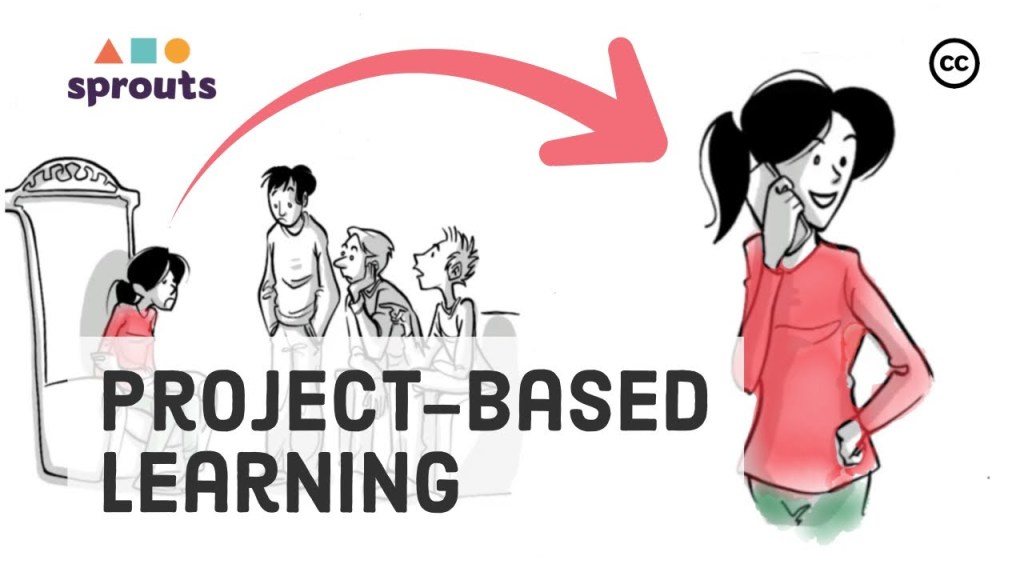
Project-based learning (PBL) has gained significant attention in recent years as an effective approach to education. It promotes student engagement, critical thinking, problem-solving skills, and collaboration. Traditionally implemented in physical classrooms, PBL is now being adapted for online settings, providing students with the opportunity to learn and grow from the comfort of their homes.
One of the primary advantages of project-based learning in an online setting is its flexibility. Online platforms allow students to access materials and collaborate with classmates at any time and from anywhere. This flexibility enables learners to work on projects at their own pace while accommodating various schedules and commitments.
Furthermore, integrating technology into project-based learning enhances the overall experience for both students and teachers. Virtual tools such as video conferencing software, collaborative document editors, and multimedia resources make it easier for students to communicate ideas effectively, showcase their work creatively, and receive timely feedback from their peers or instructors.
Research has shown that project-based learning increases student motivation by making education more relevant to real-world situations. By working on authentic projects that address community issues or personal interests, learners are more likely to be engaged in deep learning experiences. They develop a sense of ownership over their work and feel a stronger connection between what they learn in class and its application beyond the classroom walls.
In addition to fostering intrinsic motivation among students, project-based learning also cultivates essential 21st-century skills necessary for success in today’s rapidly evolving world. According to a study conducted by Edutopia (2019), students who engage in PBL demonstrate improved critical thinking abilities compared to those who follow traditional instructional methods.
Moreover, project-based learning encourages collaboration among peers as they work together towards a common goal. Online platforms provide avenues for communication through discussion boards or virtual group meetings where students can brainstorm ideas collectively despite physical distances separating them.
Teachers also benefit from implementing project-based learning online as it allows them to track individual progress more efficiently through digital portfolios or online assessment tools. These platforms enable teachers to provide personalized feedback and monitor student growth throughout the project.
Despite its many advantages, project-based learning in an online setting does present challenges. Students may face difficulties with time management, self-regulation, and effective communication due to the lack of face-to-face interaction. Therefore, it is crucial for educators to provide clear guidelines, support structures, and regular check-ins to ensure students stay on track.
In conclusion, project-based learning in an online setting offers numerous benefits for both students and teachers. Its flexibility, integration of technology, motivation-enhancing qualities, and development of essential skills make it a valuable educational approach. As the world continues to embrace digital learning opportunities, incorporating project-based learning into online education will undoubtedly contribute towards creating well-rounded individuals ready to tackle future challenges head-on.
 Alternative Amie
Leave a comment