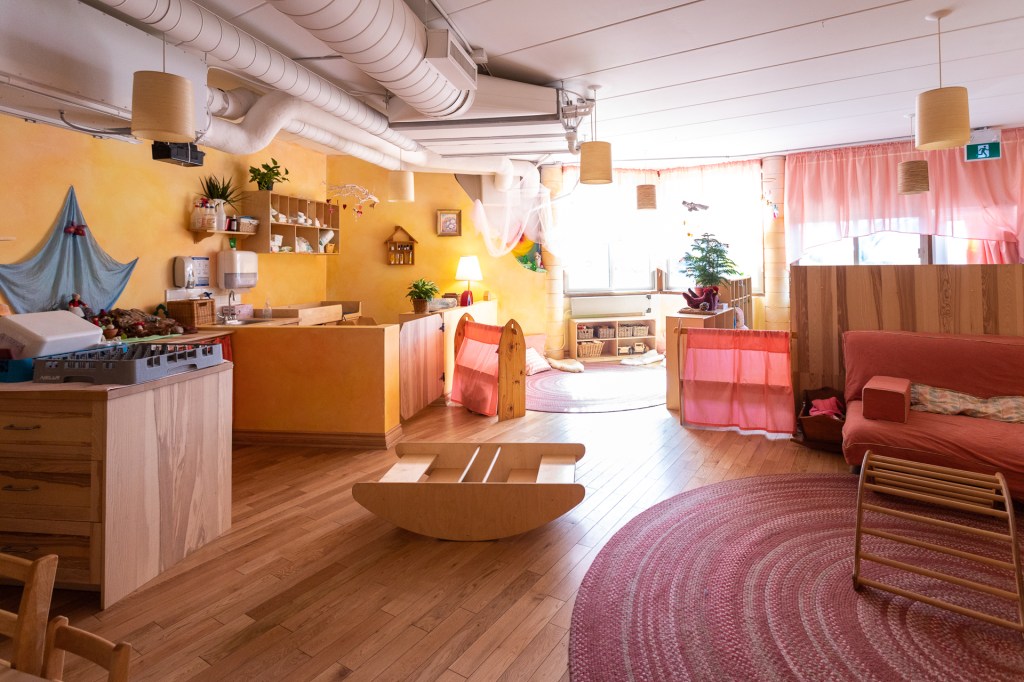
Waldorf Education: Nurturing the Whole Child
In a world where education is often focused on academic achievement and standardized testing, Waldorf education offers a refreshing alternative. Developed by Austrian philosopher Rudolf Steiner in the early 20th century, Waldorf education emphasizes the holistic development of children, nurturing their intellectual, artistic, social, and emotional capacities. By fostering creativity, imagination, and a love for learning, this educational approach aims to create well-rounded individuals who are prepared to thrive in an ever-changing world.
At the heart of Waldorf education lies its commitment to honoring childhood as a unique and precious stage of life. Unlike traditional schooling systems that prioritize early academics and rote memorization, Waldorf schools emphasize play-based learning in the early years. Young children are encouraged to engage in imaginative play, explore their surroundings through hands-on activities, and develop strong social skills through meaningful interactions with peers.
One distinctive aspect of Waldorf education is its belief in rhythm and routine. Daily rhythms provide students with predictability and stability while allowing them to develop healthy habits. Mornings typically begin with unhurried periods for creative free play followed by structured activities such as circle time or storytelling. This rhythmic flow continues throughout the day with dedicated blocks for different subjects like mathematics, language arts, science, music or art.
A key element of Waldorf pedagogy is age-appropriate learning that aligns with child development stages. In the early years (ages 3-6), emphasis is placed on imitation as children learn best through observing others’ actions. Teachers model behavior rather than relying solely on verbal instruction. As children progress into elementary school (ages 7-14), they experience main lesson blocks lasting several weeks each – an immersive approach that allows deep exploration of subjects like history or botany within a shorter timeframe.
Another hallmark feature of Waldorf schools is an integration of arts into every aspect of the curriculum. Painting, drawing, music, drama, and movement are not merely considered extracurricular activities but are woven into academic lessons. This arts-infused approach aims to engage different learning modalities and foster creativity in students. For example, a history lesson might be accompanied by the creation of a mural or a play that brings historical events to life.
One might wonder about the role of technology in a Waldorf classroom. Unlike many modern educational settings that rely heavily on screens and digital devices, Waldorf education takes a more cautious approach. The use of technology is generally limited until high school when it becomes necessary for academic purposes. Instead, Waldorf schools prioritize hands-on experiences with natural materials like wood, wool, clay or beeswax to stimulate sensory exploration and encourage children’s connection with the physical world.
Waldorf educators believe that deep learning occurs when students actively engage with their surroundings rather than passively receiving information. Therefore, field trips and nature walks are an integral part of the curriculum. By immersing themselves in the natural world or exploring local museums and cultural sites, students develop a sense of wonder and curiosity about their environment – fostering lifelong learners who appreciate the interconnectedness between humans and nature.
In addition to its focus on academics and artistic expression, Waldorf education places great importance on cultivating social skills and emotional intelligence. Cooperative group activities provide opportunities for collaboration while conflict resolution techniques teach children how to navigate disagreements respectfully. Through storytelling and imaginative play – both individually and collectively – children learn empathy as they step into others’ shoes to understand different perspectives.
The relationship between teachers and students is also unique within Waldorf education. Teachers often remain with the same class from first grade through eighth grade (and sometimes beyond), forging deep connections built on trust and familiarity over time. This continuity allows educators to truly know each child’s strengths, challenges, interests, aspirations – enabling them to tailor instruction accordingly.
While some critics argue that this long-standing relationship between teacher and student may limit exposure to different teaching styles, Waldorf education prioritizes the development of independent thinkers who can adapt and learn from diverse sources. High school students are typically taught by subject-specialist teachers who bring their expertise to specific areas of study.
Waldorf education is not only about preparing children for academic success but also for life beyond the classroom. The ultimate goal is to nurture individuals who possess a strong sense of self-awareness, a deep connection with others and the natural world, and an unwavering commitment to social responsibility. As they progress through their schooling journey, Waldorf students develop resilience, creativity, critical thinking skills – qualities that will serve them well in college, careers, and as active members of society.
Parents seeking alternatives to mainstream education often turn to Waldorf schools because they value its holistic approach. However, it’s important to note that this educational model might not be suitable for every child or family. Like any educational philosophy, it has strengths and limitations that should be weighed against individual needs and preferences.
In conclusion, Waldorf education offers a distinctive approach aimed at nurturing the whole child. By valuing imagination over memorization, rhythm over rigidity, arts alongside academics – this alternative form of schooling fosters love for learning while cultivating essential life skills. From early childhood through high school years, students engage in age-appropriate activities that promote intellectual growth as well as emotional intelligence. While not without criticism or controversy within educational circles, Waldorf education continues to provide families with an inspiring choice rooted in holistic development – one where children can blossom into compassionate individuals ready to make a positive impact on our ever-changing world.
 Alternative Amie
Leave a comment