Benefits of Portfolio Assessment
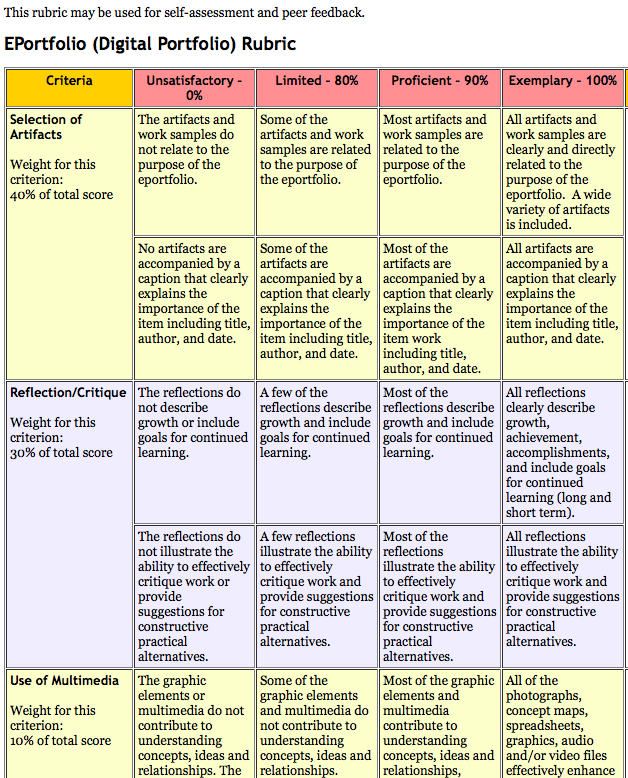
In traditional education systems, students are often evaluated based on their performance in standardized tests or exams. However, there is a growing recognition that these methods may not accurately reflect a student’s true abilities and potential. As an alternative to this approach, many educators have started incorporating portfolio assessment into their classrooms. This method allows students to showcase their work and achievements over time, providing a more holistic view of their progress and growth. In this article, we will explore the benefits of portfolio assessment in promoting authentic learning experiences.
1. Demonstrates Mastery of Skills: One of the key advantages of portfolio assessment is its ability to capture a student’s mastery of skills and knowledge across various subjects or disciplines. Unlike exams that only assess memorization and recall abilities, portfolios allow students to display evidence of critical thinking, problem-solving skills, creativity, collaboration, and communication skills through samples of their work.
2. Individualized Learning: Portfolio assessment encourages individualized learning by allowing students to take ownership of their education journey. Students can choose what they include in their portfolios based on their personal interests or goals. This autonomy fosters motivation and engagement as learners become active participants in the process while developing self-reflection skills.
3. Authentic Assessment: Portfolios provide an authentic means for assessing student learning because they mirror real-world situations where individuals must compile evidence to demonstrate proficiency or expertise in specific areas. By presenting real-life examples from different contexts (e.g., projects completed inside or outside the classroom), portfolios offer a comprehensive view that goes beyond academic performance indicators alone.
4.Rich Feedback Opportunities: With portfolio assessments, both teachers and peers have ample opportunities for providing meaningful feedback throughout the learning process. Instead of receiving grades or scores without understanding why they earned them as with traditional testing methods, students receive personalized comments on specific pieces within their portfolios which helps them understand areas where they excel as well as identify areas needing improvement.
5.Developmental Growth: Portfolio assessment is an ongoing process that tracks a student’s growth and development over time. As students compile their work, they can see how their skills have evolved, identify areas of improvement, and set new goals for themselves. This reflective practice fosters metacognitive skills, encouraging students to become aware of their own learning processes while taking ownership of their academic journey.
6.Multi-Dimensional Assessment: Unlike exams that often focus on assessing a limited range of skills or knowledge in a single sitting, portfolios allow for multi-dimensional assessments. They provide opportunities to assess not only cognitive abilities but also social-emotional skills such as leadership, teamwork, empathy, and resilience. By incorporating different types of artifacts like written assignments, artwork samples, multimedia projects, or presentations into the portfolio assessment process educators gain comprehensive insights into each student’s capabilities.
7.Enhanced Communication Skills: Building a portfolio requires careful curation and organization of materials. Students must think critically about which pieces best represent their abilities and objectives. This exercise helps them develop effective communication skills as they articulate their thoughts and explain the significance of each artifact included in the portfolio when presenting it to others.
8.Long-Term Recordkeeping: Portfolios serve as valuable long-term records documenting a student’s progress throughout their academic career. These records can be shared with parents during parent-teacher conferences or college admissions officers evaluating applicants’ qualifications beyond standardized test scores alone.
In conclusion, portfolio assessment has numerous benefits that extend beyond traditional testing methods. It offers a more holistic approach to evaluating student learning by capturing individual growth over time across multiple dimensions of ability rather than relying solely on exam results. With its emphasis on reflection and self-assessment along with enhanced communication between teachers and students through feedback opportunities portfolios empower learners to take control of their education while providing tangible evidence for future endeavors such as college applications or job interviews.
 Alternative Amie
Leave a comment