In the fast-paced world we live in, real communication seems to be fading away. We are constantly bombarded with information, distractions, and technology that hinder our ability to truly listen and connect with others. That’s where active listening comes into play – a skill that is often overlooked but immensely powerful.
Active listening is more than just hearing someone’s words; it involves fully engaging with the speaker, understanding their message, and responding appropriately. It requires setting aside our own thoughts and judgments and giving our undivided attention to the person speaking. By doing so, we create an open space for meaningful dialogue and connection.
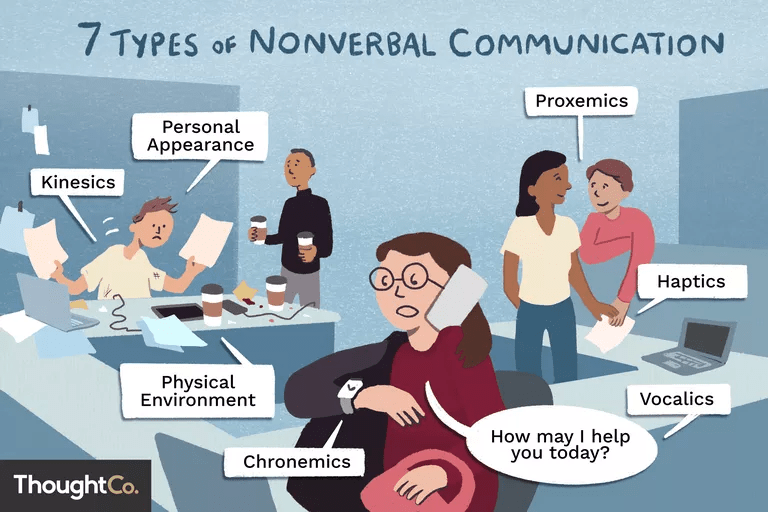
One of the key aspects of active listening is nonverbal communication. Our body language speaks volumes about our level of engagement and interest in what someone else has to say. Maintaining eye contact, nodding in agreement or understanding, leaning forward slightly – all these gestures show that we are present in the conversation and genuinely interested in what the other person is saying.
Additionally, paraphrasing plays a crucial role in active listening. After the speaker has finished expressing themselves, repeating back their main points or summarizing their thoughts not only demonstrates comprehension but also shows respect for their perspective. This technique also allows for clarification if there was any miscommunication or misunderstanding during the conversation.
Active listeners also know how important it is to avoid interrupting or imposing their own opinions on others prematurely. Instead of formulating responses while someone else is speaking, they patiently wait for their turn to contribute after carefully considering what has been said. This practice promotes a healthy exchange of ideas rather than turning conversations into debates or arguments.
Furthermore, active listeners ask thoughtful questions that delve deeper into the topic at hand. These questions demonstrate genuine curiosity about another person’s experiences or opinions while encouraging them to share more details about their thoughts or feelings on a subject matter. By asking open-ended questions instead of closed ones (which can be answered by a simple “yes” or “no”), active listeners invite more comprehensive and meaningful responses.
Active listening not only benefits the speaker but also enhances our own understanding and knowledge. By fully immersing ourselves in a conversation, we gain insights into different perspectives, experiences, and ideas that can broaden our horizons. It fosters empathy, compassion, and tolerance for diverse opinions, paving the way for a more inclusive society.
In conclusion, active listening is an invaluable skill that should be nurtured and practiced in all aspects of life. By actively engaging with others through nonverbal cues, paraphrasing, avoiding interruptions, asking thoughtful questions, and being open to new ideas – we foster genuine connections and promote mutual understanding. Let’s strive to be active listeners who create spaces where everyone’s voices are heard and respected.
 Alternative Amie
Leave a comment