Gamification in online learning has gained significant traction in recent years. By incorporating game elements such as points, badges, leaderboards, and challenges into educational activities, gamification aims to enhance student engagement and motivation. Research shows that gamified online courses can lead to higher levels of participation and improved learning outcomes. Students are more likely to be actively involved in the learning process when it feels like a game rather than a traditional classroom setting.
Virtual reality (VR) is revolutionizing education by providing immersive experiences that transport students to different places and time periods. VR allows learners to explore historical events, visit museums, or even travel through space without leaving the classroom. This technology enhances students’ understanding of complex subjects by making them come alive. The interactive nature of VR stimulates curiosity and fosters critical thinking skills.
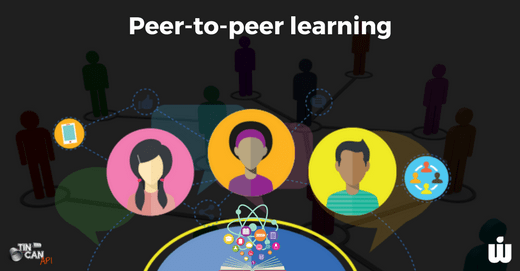
Peer-to-peer learning platforms have become increasingly popular due to their ability to facilitate collaboration among students. These platforms create virtual communities where learners can share knowledge, ask questions, provide feedback, and collaborate on projects. Peer-to-peer learning encourages active participation and helps develop communication skills while promoting a sense of community within the online learning environment.
Online learning has opened up new opportunities for students with disabilities who may face challenges in traditional classrooms. With customizable interfaces, assistive technologies, closed captioning features, and other accessibility tools available in online courses, individuals with disabilities can access educational content more easily than ever before.
Personalized learning algorithms are transforming education by tailoring instruction based on individual student needs and preferences. These algorithms analyze data on each student’s progress and adapt the curriculum accordingly. By providing personalized content recommendations and adaptive assessments that target specific areas for improvement, these algorithms optimize the learning experience for each learner.
Open educational resources (OER) provide free or low-cost access to high-quality educational materials such as textbooks, videos, simulations, and lesson plans. OER eliminates barriers related to cost while promoting collaboration among educators globally as they contribute their expertise to the open educational community. This approach fosters a culture of sharing and enables educators and students to access a wide range of resources.
Online learning is not limited to K-12 education; it also caters to adult learners who seek professional development or pursue higher education. Online platforms offer flexible schedules, self-paced courses, and the ability to balance work and study commitments. Adult learners can acquire new skills, earn degrees, or change careers through online education without compromising their existing responsibilities.
Social media integration in online education leverages popular platforms such as Facebook, Twitter, and LinkedIn to enhance collaboration, communication, and engagement among students. By using social media tools within the online learning environment, students can connect with classmates, share resources and ideas, participate in discussions beyond class time boundaries.
Blended learning models combine traditional face-to-face instruction with online learning components. This hybrid approach allows for flexibility while maintaining valuable teacher-student interactions. Blended learning maximizes the benefits of both physical classrooms and virtual environments by providing a personalized experience that suits different learning styles.
Online tutoring and mentoring programs provide students with individualized support from qualified instructors or mentors outside of regular classroom hours. These programs enable students to receive additional guidance on challenging topics or engage in deeper discussions related to course content. Online tutoring helps fill gaps in knowledge while fostering a one-on-one connection between educators/mentors and learners.
Microlearning modules are bite-sized units of content designed for quick consumption and focused on specific learning objectives. Online courses often incorporate microlearning modules that allow learners to access information in smaller chunks at their own pace. This format enhances retention rates by preventing cognitive overload while promoting active recall through quizzes or interactive exercises.
Digital badges and credentials recognize learners’ achievements in alternative education settings such as bootcamps or skill-specific training programs offered online. These digital credentials serve as evidence of competency acquisition outside traditional academic pathways which are increasingly recognized by employers seeking specialized skills rather than formal degrees.
Mobile learning apps have become essential tools for remote schooling, offering access to educational content anytime and anywhere. These apps provide interactive lessons, practice exercises, and assessments that can be completed on smartphones or tablets. Mobile learning ensures that students can continue their education regardless of their physical location.
Collaborative project-based online learning encourages teamwork and problem-solving skills by engaging learners in real-world projects. Online platforms enable students to collaborate remotely, share ideas, divide tasks, and work together towards a common goal. This approach fosters communication skills while preparing students for future careers where collaboration is essential.
Adaptive assessments and feedback systems use technology to tailor assessments based on individual student performance. These systems adapt the difficulty level of questions based on previous answers or analyze patterns in responses to identify areas for improvement. Adaptive assessments provide timely feedback that helps learners identify strengths and weaknesses more accurately.
Artificial intelligence (AI) is revolutionizing personalized instruction by analyzing vast amounts of data about student behavior, performance, preferences, and progress. AI algorithms create customized learning experiences based on these insights, providing tailored content recommendations and adaptive feedback in real-time.
Virtual field trips offer experiential learning opportunities through virtual simulations of real-life places such as historical landmarks or ecosystems. Virtual field trips allow students to explore environments they may not have access to otherwise due to budget constraints or geographical limitations. This immersive experience enhances understanding by stimulating multiple senses.
Competency-based education focuses on mastery rather than seat time or credit hours. Through online platforms, learners progress at their own pace as they demonstrate competency in specific knowledge areas or skill sets. Competency-based education provides flexibility by allowing individuals to start courses at any time while focusing on areas where they need the most improvement.
Online coding bootcamps and technical skills training programs have gained popularity due to the increasing demand for tech-related jobs. These intensive online programs offer accelerated training in programming languages or other technical skills needed in today’s job market. Coding bootcamps provide learners with the necessary skills to kick-start their careers in the tech industry.
Blockchain technology ensures secure certification of alternative education programs by providing a decentralized and tamper-proof system for recording and verifying credentials. This technology enables individuals to independently manage their educational records, ensuring transparency and credibility in alternative education settings.
In conclusion, alternative schooling and education have been greatly transformed by various online learning tools and platforms. The integration of gamification, virtual reality, personalized learning algorithms, social media integration, and other technologies has revolutionized the way students learn, engage, collaborate, and acquire credentials outside traditional academic pathways. These advancements have made quality education more accessible to diverse populations while fostering innovation in teaching and learning practices.
 Alternative Amie
Leave a comment