Nature-Based Education: Nurturing the Mind, Body, and Soul
In today’s fast-paced and technology-driven world, many parents and educators are seeking alternative approaches to education that go beyond traditional classroom settings. One such approach gaining popularity is nature-based education. Rooted in the belief that children learn best through experiencing their natural environment, this educational philosophy offers a holistic approach to learning that nurtures the mind, body, and soul.
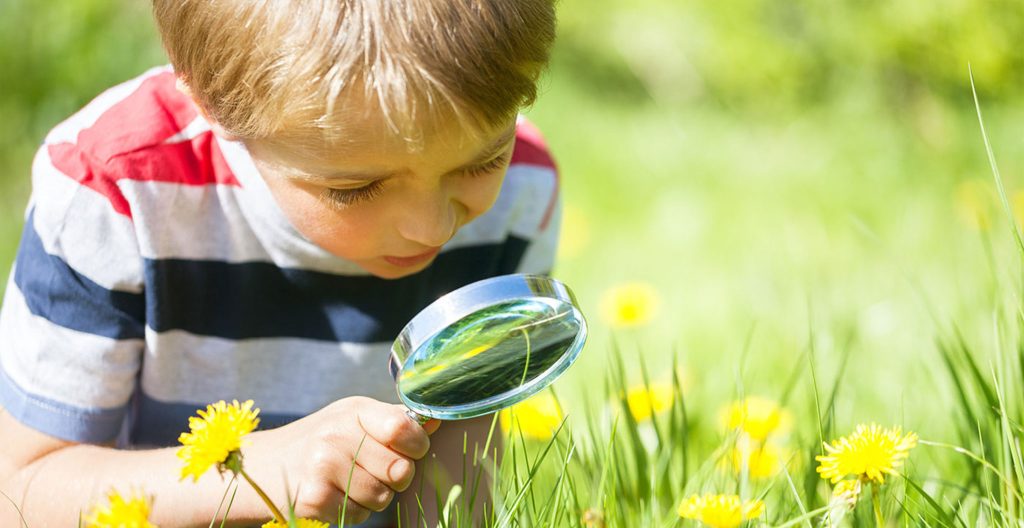
At its core, nature-based education encourages children to explore and connect with their surroundings. Rather than confining learning within four walls, it takes advantage of the vast outdoors as a living classroom. Whether it’s a nearby park or a sprawling forest, these outdoor spaces become platforms for exploration and discovery.
One of the key benefits of nature-based education is its ability to foster curiosity and creativity in children. When armed with firsthand experiences in nature, students develop an innate sense of wonder about the world around them. They are free to ask questions, seek answers independently or collaboratively with peers, and engage in hands-on activities that promote critical thinking skills.
Moreover, spending time outdoors has been shown to enhance physical health. Regular exposure to fresh air and sunlight helps strengthen immune systems while reducing stress levels. Nature provides ample opportunities for physical activity through hiking trails or engaging in games like hide-and-seek or scavenger hunts.
Nature also plays a crucial role in emotional development. Being surrounded by trees, plants, animals can have a calming effect on individuals of all ages but especially on young minds still developing their emotional intelligence. It fosters empathy towards all living beings as children observe symbiotic relationships between plants and animals or witness life cycles unfold right before their eyes.
Additionally, nature-based education cultivates environmental stewardship by instilling an appreciation for our planet from an early age. By immersing themselves in natural environments regularly – observing delicate ecosystems at work or participating in conservation efforts – students develop a deep sense of responsibility towards the environment.
Nature-based education is not limited to science or environmental studies. It can be integrated into various subjects, including language arts, math, and social studies. For instance, reading a book under a tree or writing poetry inspired by the sounds of nature can enhance literacy skills. Math concepts like measurement and patterns can be explored through outdoor activities like collecting leaves or counting bird species.
Furthermore, nature-based education promotes independence and self-confidence in children. As they navigate unfamiliar terrains or solve problems encountered outdoors, they develop resilience and adaptability. The challenges presented by nature teach them valuable life skills such as problem-solving, teamwork, decision-making, and risk assessment.
In conclusion, nature-based education offers numerous benefits that go beyond traditional classroom learning. By immersing children in natural environments regularly, it nurtures their curiosity, creativity, physical health, emotional well-being while instilling a sense of environmental stewardship. This holistic approach to education equips students with essential life skills that will serve them well throughout their lives – whether they become scientists exploring the depths of forests or compassionate individuals working towards creating a sustainable future for our planet
 Alternative Amie
Leave a comment