Using Rubrics for Peer Assessment
In alternative schooling and education, peer assessment is an effective tool to engage students in the learning process and promote critical thinking skills. It allows students to evaluate each other’s work, provide constructive feedback, and develop a sense of responsibility towards their own learning. One way to enhance the effectiveness of peer assessment is by using rubrics. Rubrics provide clear criteria for evaluation and help ensure fairness and consistency in grading. In this article, we will explore how to use rubrics for peer assessment effectively.
1. Designing a Rubric:
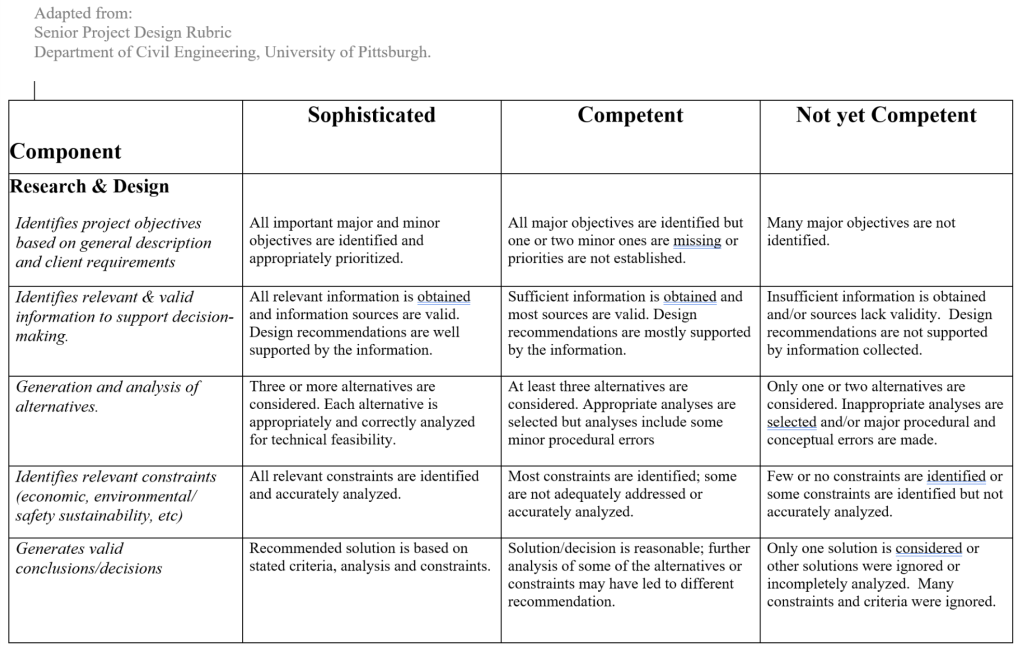
The first step in using rubrics for peer assessment is designing a well-structured rubric that aligns with the learning objectives or outcomes you want your students to achieve. A good rubric should have specific criteria that can be objectively evaluated, such as content knowledge, organization, creativity, or problem-solving skills. Each criterion should include different levels of performance (e.g., excellent, proficient, developing) with corresponding descriptors that clearly define what constitutes each level.
2. Introduction and Familiarization:
Before implementing peer assessment using rubrics, it’s essential to introduce the concept of rubrics and explain how they will be used in assessing their peers’ work. Provide examples of completed rubrics or model assessments so students can understand what is expected from them during the evaluation process.
3. Training on Effective Feedback:
To ensure meaningful feedback during peer assessments, it’s crucial to train students on giving constructive criticism and providing helpful suggestions without being overly critical or judgmental. Teach them how to focus on specific aspects mentioned in the rubric while highlighting strengths as well as areas for improvement.
4. Pairing Students Strategically:
When assigning pairs or groups for peer assessments, consider pairing students with varying levels of skills or abilities together so that stronger students can guide their peers effectively while also benefiting from fresh perspectives themselves.
5. Monitoring Process & Reflection:
As students engage in peer assessment using rubrics, it’s important to monitor the process and provide guidance when necessary. Encourage students to reflect on their own work based on received feedback and identify areas for improvement. This reflection promotes metacognitive skills, enabling students to become more aware of their strengths and weaknesses.
Benefits of Using Rubrics for Peer Assessment:
– Increased student engagement: Inviting students to assess their peers’ work empowers them in the learning process while fostering a sense of ownership.
– Enhanced critical thinking: The use of well-designed rubrics encourages students to analyze and evaluate work based on specific criteria, promoting higher-order thinking skills.
– Fairness and consistency: Rubrics provide clear guidelines for evaluation, ensuring fairness in grading across different assessors.
– Skill development: Through peer assessment using rubrics, students develop valuable skills such as effective communication, collaboration, self-reflection, and providing constructive feedback.
In conclusion, incorporating rubrics into peer assessments is an effective method to engage students actively in the learning process while promoting critical thinking skills. By designing well-structured rubrics aligned with learning outcomes and teaching students how to provide constructive feedback effectively, educators can enhance student understanding and mastery of subject matter. Furthermore, utilizing rubrics ensures fairness, consistency in grading practices among assessors while developing essential lifelong skills like communication and reflection.
 Alternative Amie
Leave a comment