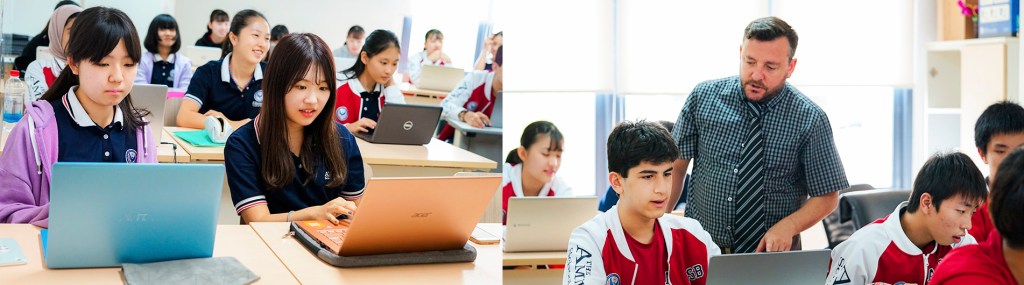
Technology Integration in Alternative Schooling and Education
Introduction:
Alternative schooling and education have gained popularity over the years as an alternative to traditional public schools. These unique educational settings aim to provide a different approach to learning, catering to individual student needs and interests. One significant aspect of contemporary alternative schooling is the integration of technology into the curriculum. In this article, we will explore how technology is being used in alternative schools, its benefits, challenges, and its potential for enhancing student engagement and academic success.
Benefits of Technology Integration:
1. Personalized Learning:
One of the key advantages of incorporating technology into alternative schooling is the ability to personalize learning experiences. With adaptive software programs and online platforms, students can work at their own pace and receive tailored feedback based on their performance. This flexibility allows students to focus on areas where they need additional support or challenge themselves with more advanced materials.
2. Increased Engagement:
Technology has proven to be a powerful tool for engaging students in their learning process. Interactive multimedia content, virtual simulations, gamification elements, and online collaboration tools enable educators to create dynamic lessons that captivate students’ attention. Integrating technology also provides opportunities for hands-on experimentation and exploration that may not be feasible within traditional classroom settings.
3. Accessible Resources:
The integration of technology ensures access to a vast array of educational resources beyond what physical textbooks alone can offer. The internet opens up a world of knowledge through online libraries, research databases, educational websites, videos lectures from experts worldwide – all readily available at students’ fingertips.
4. Development of Essential Skills:
In today’s digital era, proficiency in using technological tools is essential for future success in higher education and careers. By incorporating technology into alternative schooling curricula, educators equip students with vital skills such as digital literacy (using computers effectively), information literacy (evaluating sources critically), communication skills (collaborating virtually), problem-solving abilities (through coding or programming), among others.
Challenges of Technology Integration:
1. Cost and Infrastructure:
One significant challenge in integrating technology into alternative schooling is the cost of acquiring and maintaining devices, software licenses, and a reliable internet connection. Not all alternative schools have the necessary funding or infrastructure to support extensive technological integration. It becomes essential for schools to secure adequate resources to ensure equitable access for all students.
2. Training and Support:
Integrating technology effectively requires teachers who are proficient in using digital tools and platforms. Providing educators with ongoing professional development opportunities ensures they can utilize technology optimally for instruction purposes. Adequate technical support must also be provided to troubleshoot any issues that may arise during implementation.
3. Cybersecurity Concerns:
As alternative schooling relies heavily on digital resources, ensuring student data privacy and cybersecurity becomes crucial. Schools need robust security measures to protect sensitive information from potential breaches or cyberattacks.
4. Balancing Screen Time:
While technology offers numerous benefits, there is also concern about excessive screen time negatively impacting students’ health and well-being. Alternative schools need to strike a balance between utilizing technology as an educational tool while promoting physical activity, social interactions, and other offline activities.
Successful Examples of Technology Integration:
1. Project-Based Learning with Online Collaboration:
Technology facilitates project-based learning by enabling students to collaborate online with peers beyond classroom boundaries. For instance, through video conferencing tools or shared documents, students can work together on research projects or solve real-world problems collectively.
2. Blended Learning Models:
Blended learning combines traditional classroom teaching with online components such as virtual lectures or interactive modules accessible outside school hours. This approach provides flexibility while allowing educators to personalize instruction based on individual student needs.
3. Virtual Reality (VR) Experiences:
Alternative schools are increasingly adopting VR technologies as immersive experiences enhance learning outcomes significantly across various subjects like science, history, geography, art appreciation, etc.
Conclusion:
The integration of technology within alternative schooling environments holds immense potential for transforming education and improving student outcomes. By embracing technology, alternative schools can personalize learning experiences, engage students in innovative ways, expand access to educational resources, and develop essential digital skills. However, it is crucial to address the challenges associated with technology integration effectively. With careful planning, adequate support, and a focus on maintaining a healthy balance between online and offline activities, alternative schooling can harness the power of technology to create enriching educational experiences for all students.
 Alternative Amie
Leave a comment