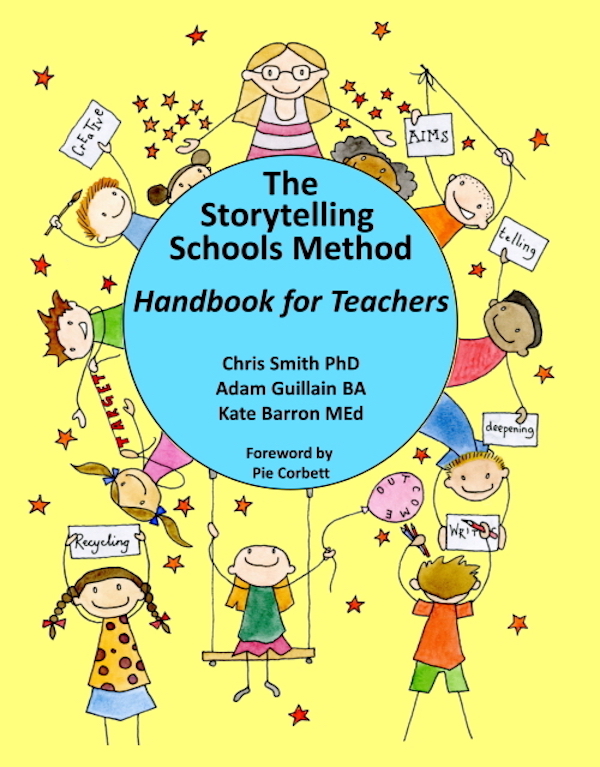
Storytelling has been an integral part of human culture since the beginning of time. It serves as a means to entertain, educate, and connect with others on a deeper level. In the realm of education, literature and storytelling play a crucial role in not only developing language skills but also fostering creativity and critical thinking abilities. Alternative schooling and education have recognized the power of literature and storytelling in cultivating well-rounded individuals who are equipped with essential life skills.
One of the key benefits of incorporating literature into alternative education is its ability to stimulate imagination and creativity. Unlike traditional textbooks that often present information in a dry and factual manner, stories allow learners to immerse themselves in different worlds, characters, and situations. This engagement sparks their imaginations, encouraging them to think outside the box and explore new ideas.
Moreover, reading literary works exposes students to diverse perspectives and cultures that they may not encounter otherwise. By introducing characters from various backgrounds or historical periods, literature broadens students’ horizons by offering glimpses into unfamiliar experiences. This exposure fosters empathy among learners as they begin to understand different viewpoints.
Furthermore, storytelling provides an avenue for students to develop their communication skills. From analyzing texts to discussing themes or even participating in dramatic interpretations of plays or poetry readings, learners are encouraged to express their thoughts coherently while respecting others’ opinions. These activities enhance both verbal and nonverbal communication skills – vital elements for effective collaboration in any setting.
Additionally, literature can be utilized as a tool for teaching critical thinking skills. As students engage with complex narratives or thought-provoking themes within literary works, they learn how to analyze information critically rather than accepting it at face value. They develop the ability to question assumptions presented within texts while drawing connections between concepts discussed therein.
Alternative schooling often emphasizes project-based learning approaches that focus on real-world applications rather than rote memorization or regurgitation of facts. Literature lends itself perfectly to this approach. By integrating literature into project-based learning, students can explore topics from multiple angles and apply their knowledge in practical ways.
For example, a science class studying environmental issues could read novels such as “Silent Spring” by Rachel Carson or “The Lorax” by Dr. Seuss to understand the impact of human activities on nature. Students can then design projects that propose solutions to these problems, incorporating scientific research and creative thinking inspired by the stories they’ve read.
Furthermore, literature also helps students develop empathy and emotional intelligence – crucial skills for building healthy relationships and navigating complex social situations. Through reading about characters facing various challenges or dilemmas, learners gain insight into different emotions and learn how to relate to others’ experiences better.
By discussing characters’ motivations or analyzing their actions within literary works, students develop a deeper understanding of human behavior. This understanding enables them to navigate interpersonal relationships with greater sensitivity and respect.
In addition to the benefits mentioned above, alternative education approaches often strive to create an inclusive learning environment where every student feels valued and heard. Literature plays a vital role in achieving this goal by featuring diverse voices and narratives that reflect the experiences of individuals from marginalized communities.
By incorporating books written by authors from different backgrounds or exploring stories that highlight underrepresented perspectives, educators can foster a sense of belonging among all learners. Such inclusivity not only helps students feel seen but also promotes acceptance and appreciation for diversity in society at large.
To fully capitalize on the power of literature in alternative schooling settings, it is essential for educators to adopt innovative teaching methods that go beyond traditional approaches. Instead of merely assigning readings followed by comprehension questions, teachers should encourage active engagement with texts through discussions, debates, creative writing exercises, or even multimedia projects like creating book trailers or podcasts based on novels.
Additionally, technology can be effectively integrated into literature-based lessons through digital storytelling platforms or online book clubs where students can share their thoughts with peers worldwide. Such interactive approaches not only make learning more enjoyable but also foster collaboration and global awareness among students.
In conclusion, literature and storytelling are invaluable assets in alternative schooling and education. Their ability to ignite creativity, promote critical thinking, develop communication skills, enhance empathy and emotional intelligence, foster inclusivity, and encourage active engagement makes them an essential component of a well-rounded educational experience. By harnessing the power of literature effectively through innovative teaching methods, educators can cultivate lifelong learners who are equipped with the necessary tools to thrive in today’s complex world.
 Alternative Amie
Leave a comment