Transition Planning in IEPs
Transition planning is a critical component of Individualized Education Programs (IEPs) for students with disabilities. It involves preparing students for life after high school, including post-secondary education, employment, and independent living. Transition planning should begin no later than age 14 and focus on the student’s strengths, interests, preferences, and goals.
During the transition planning process, the IEP team collaborates to identify the student’s long-term goals and develop a plan to help them achieve those goals. This plan includes specific objectives related to academics, vocational skills, independent living skills, community involvement, and social-emotional development.
Collaboration between Parents and Educators in IEP Development
Effective collaboration between parents and educators is crucial for developing meaningful IEPs that meet the individual needs of students with disabilities. Parents bring valuable insights about their child’s strengths, challenges, preferences, and aspirations that can inform goal-setting and decision-making.
Educators should actively involve parents at every stage of the IEP development process. This includes inviting parents to meetings where goals are discussed or decisions are made regarding accommodations or services. Additionally, educators should create opportunities for ongoing communication with parents to ensure their perspectives are considered throughout the year.
Assistive Technology in IEPs
Assistive technology plays a vital role in supporting students with disabilities in accessing their education. It refers to devices or software that assist individuals with various tasks such as communication aids (e.g., speech-to-text software), reading supports (e.g., text-to-speech software), mobility aids (e.g., wheelchairs), or sensory supports (e.g., noise-canceling headphones).
When considering assistive technology within an IEP framework:
1. Assess: Conduct assessments to determine which types of assistive technology would best support the student’s unique needs.
2. Trial: Provide opportunities for students to try different assistive technologies before making final decisions.
3. Train: Ensure that students, teachers, and parents receive appropriate training and support in using the chosen assistive technology effectively.
4. Evaluate: Regularly review the effectiveness of the assistive technology and make adjustments as needed.
Accommodations for Students with Sensory Processing Disorders
Students with sensory processing disorders may have difficulty processing and responding to sensory information from their environment. To support these students within an IEP:
1. Sensory Breaks: Provide scheduled breaks or a designated space where students can engage in calming activities to regulate their sensory systems.
2. Environmental Modifications: Make adjustments to the physical environment such as reducing visual clutter or providing noise-canceling headphones.
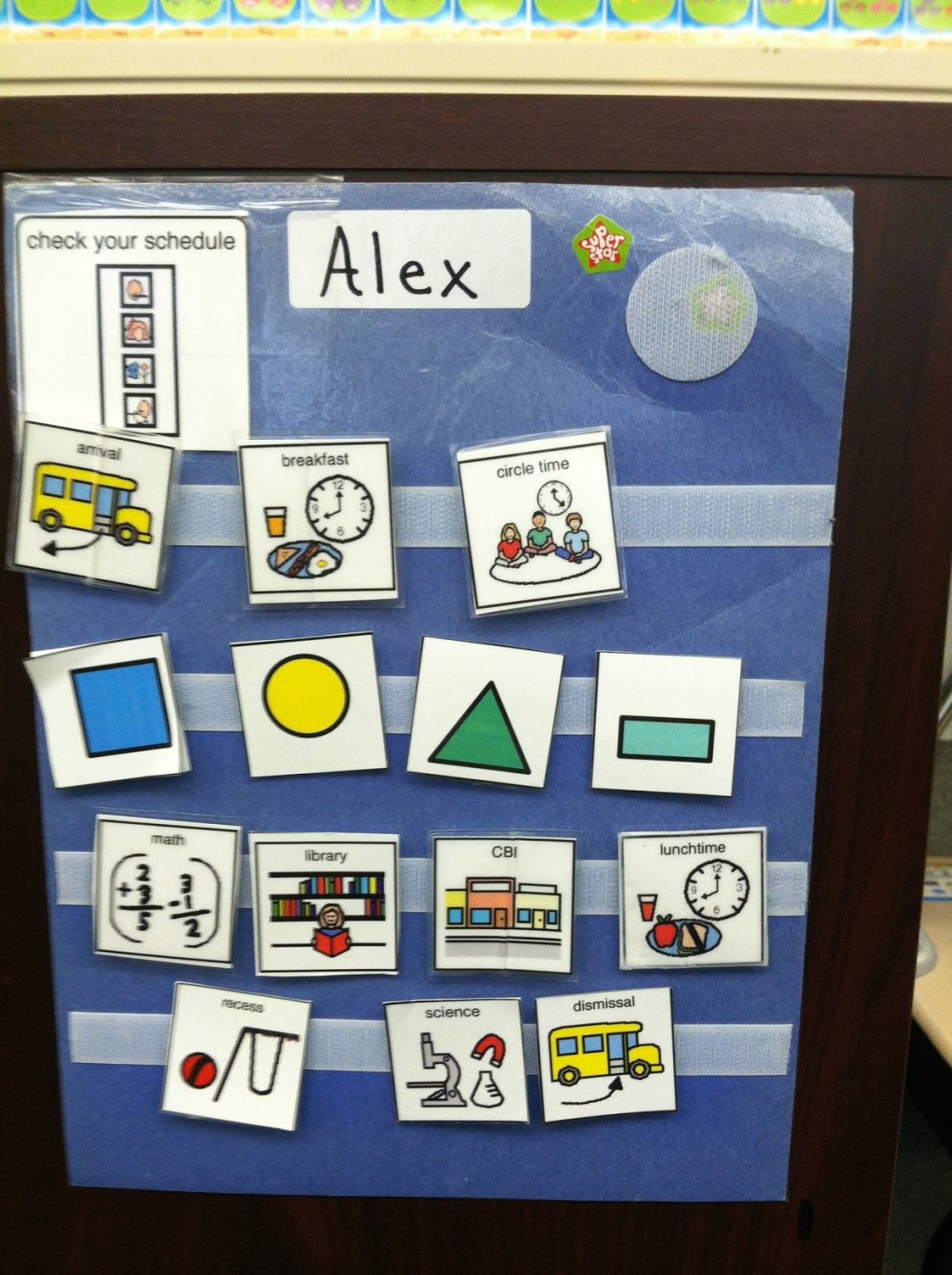
3. Visual Supports: Use visual schedules, timers, or social stories to provide structure and predictability for students with sensory processing difficulties.
4. Individualized Strategies: Collaborate with occupational therapists or other specialists to develop individualized strategies that address specific sensory needs.
Individualized Behavior Plans within IEPs
For some students with disabilities, behavior can be a significant barrier to learning and participation in school settings. Individualized behavior plans (IBPs) are designed specifically for these students to address challenging behaviors while promoting positive alternatives.
When developing IBPs within an IEP framework:
1. Functional Behavior Assessment (FBA): Conduct a comprehensive assessment to understand the function of the challenging behavior(s).
2. Positive Behavior Interventions and Supports (PBIS): Implement evidence-based strategies that focus on prevention, teaching alternative behaviors, reinforcing positive behaviors, and addressing underlying causes rather than solely relying on punishment.
3. Data Collection: Establish systems for collecting data on student behavior to monitor progress towards goals and make data-informed decisions about interventions.
Inclusion and Mainstreaming Strategies in IEPs
Inclusion refers to providing all students with disabilities access to general education classrooms alongside their peers without disabilities whenever possible. Mainstreaming involves placing students with disabilities in general education classrooms for specific subjects or periods. These strategies promote social integration, academic growth, and the development of positive relationships.
To support inclusion and mainstreaming within an IEP:
1. Collaborate with General Education Teachers: Regularly communicate with general education teachers to share information about students’ needs, accommodations, and progress.
2. Individualized Supports: Determine appropriate modifications or accommodations that enable students to access the curriculum alongside their peers.
3. Co-Teaching Models: Consider implementing co-teaching models where a special education teacher collaborates with a general education teacher to provide instruction and support together in the same classroom.
4. Peer Support Programs: Establish peer support programs that pair students with disabilities with typically developing peers who can offer assistance, friendship, and mentorship.
Differentiated Instruction in IEP Implementation
Differentiated instruction involves tailoring teaching methods, materials, and assessments to meet the diverse needs of students within a single classroom. When implementing differentiated instruction within an IEP framework:
1. Assess Individual Needs: Conduct ongoing assessments to identify each student’s strengths, challenges, learning styles, interests, and preferences.
2. Flexible Grouping: Utilize flexible grouping strategies that allow for small group work or one-on-one instruction based on individual needs.
3. Varied Materials: Provide a range of instructional materials at different levels of complexity or formats (e.g., visual aids) to accommodate diverse learning styles.
4. Multiple Means of Assessment: Offer various ways for students to demonstrate their understanding (e.g., oral presentations instead of written assignments) while maintaining academic rigor.
Addressing Social-Emotional Needs in IEP Goals
Social-emotional development is crucial for all students but particularly significant for those with disabilities who may face additional challenges related to communication skills or social interactions.
When addressing social-emotional needs within IEP goals:
1. Collaboration between Special Education Staff and School Counselors/Psychologists: Work together to identify social-emotional goals and develop strategies or interventions that support these goals.
2. Social Skills Training: Provide explicit instruction in social skills through direct teaching, modeling, role-playing, and opportunities for practice within various settings.
3. Emotional Regulation Strategies: Teach students strategies to manage their emotions effectively, such as deep breathing exercises or using a calming space when needed.
4. Peer Relationships and Inclusion: Promote opportunities for positive peer interactions through cooperative learning activities, group projects, or inclusive extracurricular activities.
Culturally Responsive Practices in Developing IEPs
Cultural responsiveness involves recognizing and respecting the unique cultural backgrounds of students with disabilities and incorporating cultural elements into their education plans.
To promote culturally responsive practices in developing IEPs:
1. Family Collaboration: Engage families from diverse cultural backgrounds in the IEP development process by valuing their perspectives, beliefs, and traditions related to disability and education.
2. Culturally Sensitive Assessments: Use assessment tools that consider multiple cultural perspectives to ensure accurate evaluation of student strengths and needs.
3. Representation in Materials: Provide instructional materials that reflect diverse cultures to foster inclusivity and help students connect with the content.
4. Language Support: If English is not the student’s first language, provide appropriate language support services (e.g., interpreters) during meetings or translation of documents into families’ primary languages.
Self-Advocacy Skills for Students with IEPs
Developing self-advocacy skills empowers students with disabilities to express their needs, make informed decisions about their education, seek assistance when necessary, set goals, and advocate for themselves throughout their lives.
Strategies for supporting self-advocacy skills within an IEP:
1. Goal Setting: Encourage students to actively participate in setting meaningful short-term and long-term goals related to academics, life skills development, transition planning, etc.
2. Self-awareness Activities: Promote activities that help students understand their strengths, weaknesses, learning styles, and disability-related accommodations or supports they may need.
3. IEP Participation: Encourage students to actively participate in their IEP meetings by sharing their perspectives, concerns, and goals for the upcoming year.
4. Self-Reflection: Teach students how to reflect on their progress towards goals and advocate for necessary adjustments or additional support when needed.
Supporting Executive Functioning Skills through IEPs
Executive functioning skills are cognitive processes that enable individuals to plan, organize, manage time, set priorities, regulate emotions, and complete tasks successfully. Students with disabilities often struggle with executive functioning skills.
To support executive functioning within an IEP:
1. Goal Setting: Collaborate with the student to develop specific goals related to improving executive functioning skills (e.g., improving time management).
2. Instructional Strategies: Implement explicit instruction techniques such as modeling strategies (e.g., using a planner) and providing guided practice opportunities.
3. Environmental Supports: Provide organizational tools like color-coded folders or visual schedules as well as minimizing distractions in the classroom environment.
4. Check-ins and Progress Monitoring: Regularly check in with the student to assess progress towards goals and provide feedback on strategies being used.
Special Considerations for Students with Autism Spectrum Disorder in IEP Development
Students with autism spectrum disorder (ASD) often have unique needs related to communication difficulties, sensory sensitivities, social interactions challenges, and repetitive behaviors.
When developing IEPs for students with ASD:
1. Individualized Communication Goals: Develop individualized communication goals based on each student’s current abilities while considering alternative forms of communication if needed (e.g., augmentative and alternative communication systems).
2. Social Skills Training: Include explicit instruction in social skills development tailored to the specific needs of students with ASD.
3. Sensory Supports: Incorporate sensory breaks or modifications into the daily schedule to accommodate sensory sensitivities.
4. Visual Supports: Use visual supports (e.g., visual schedules, social stories) to enhance understanding and predictability for students with ASD.
Collaborative Goal-Setting with Students during the IEP Process
Including students in the goal-setting process of their IEPs promotes self-determination, ownership of their education, and a sense of agency.
Strategies for involving students in collaborative goal-setting:
1. Age-Appropriate Participation: Allow students to actively participate in determining goals that are relevant to their interests, strengths, and aspirations.
2. Strength-Based Approach: Focus on identifying and building upon the student’s strengths rather than solely addressing deficits or challenges.
3. Student-Led Meetings: Provide opportunities for students to lead parts of their IEP meetings by sharing progress towards goals or discussing areas where they need additional support.
4. Regular Reflection and Revision: Encourage ongoing reflection about progress towards goals, celebrate successes, and revise goals as needed based on new information or changing circumstances.
Strategies for Involving Students in Their Own IEP Meetings
Involving students in their own IEP meetings empowers them to take an active role in decision-making processes regarding their education.
Strategies for student involvement:
1. Pre-Meeting Preparation: Help prepare students for IEP meetings by explaining the purpose of the meeting, reviewing current goals, discussing accommodations or modifications they use regularly, and encouraging them to think about questions or concerns they may have.
2. Self-Presentation Skills: Teach skills such as introductions, eye contact, speaking clearly when sharing thoughts or experiences during meetings.
3. Agenda Review: Share a simplified agenda before the meeting so that students can understand what will be discussed and feel prepared to contribute.
4. Advocacy Skill Development: Offer guidance on how to articulate needs clearly while also teaching self-advocacy skills like polite persistence if there is disagreement about proposed accommodations or services.
Addressing Specific Learning Disabilities within the Context of an IEP
Students with specific learning disabilities may have difficulties in areas such as reading, writing, math, or processing information. When addressing these disabilities within an IEP:
1. Individualized Assessments: Conduct comprehensive assessments to identify specific areas of need and strengths to inform intervention planning.
2. Multi-Sensory Instruction: Use evidence-based interventions that engage multiple senses simultaneously (e.g., visual, auditory, kinesthetic) to enhance learning and memory retention.
3. Accommodations and Modifications: Determine appropriate accommodations (e.g., extended time on tests) or modifications (e.g., modified assignments) to ensure equitable access to the curriculum.
4. Progress Monitoring: Regularly assess student progress towards goals using data-driven methods and adjust instructional strategies accordingly.
Individualized Transition Plans for Post-Secondary Education or Employment Opportunities
Individualized transition plans (ITPs) are crucial for preparing students with disabilities for life after high school, whether they pursue post-secondary education or employment opportunities.
Components of individualized transition plans:
1. Post-Secondary Goals: Collaborate with students, families, and relevant professionals to develop realistic goals related to further education or future career paths.
2. Vocational Assessments: Conduct vocational assessments to identify interests, skills, strengths, and potential barriers that may affect post-secondary success.
3. Community-Based Instruction: Provide opportunities for students to gain real-world experience through internships, job shadowing experiences, community service projects, or vocational training programs.
4. Collaboration with Outside Agencies: Connect students and families with relevant community resources like vocational rehabilitation agencies or disability support services at colleges/universities.
Developing Appropriate Accommodations for Students with ADHD within an IEP Framework
Students with Attention Deficit Hyperactivity Disorder (ADHD) often require accommodations that address challenges related to attention regulation and impulse control.
Accommodations suitable for students with ADHD within an IEP:
1. Environmental Supports: Create a structured and organized classroom environment, minimize distractions, and provide preferential seating close to the teacher.
2. Modified Assignments: Break down tasks into smaller steps or provide extended time for assignments or tests to accommodate processing speed or working memory difficulties.
3. Visual Supports: Use visual schedules, timers, checklists, or color-coded systems to enhance organization skills and promote task completion.
4. Behavior Management Strategies: Implement behavior intervention plans that include strategies like positive reinforcement systems (e.g., token economy) to help students stay on task and manage impulsivity.
Supporting English Language Learners through Individualized Education Plans
English Language Learners (ELLs) who also have disabilities require individualized support that addresses both language acquisition needs and specific learning challenges related to their disabilities.
Strategies for supporting ELLs within an IEP framework:
1. Culturally Responsive Instruction: Provide instruction that incorporates culturally relevant materials, acknowledges diverse backgrounds, and values different linguistic abilities.
2. Bilingual Support Services: Offer bilingual services such as interpreters during meetings or translation of documents into families’ primary languages.
3. Specially Designed Instruction (SDI): Adapt instructional methods, materials, and assessments to meet the unique learning needs of ELLs with disabilities while considering their language proficiency levels.
4. Collaboration between ESL Teachers and Special Education Staff: Foster collaboration between ESL teachers and special education staff in order to develop appropriate goals, accommodations/modifications based on both language development needs and disability-related supports.
Incorporating Vocational Training and Career Exploration into the IEP Process
Preparing students with disabilities for future employment opportunities involves incorporating vocational training programs and career exploration activities within their IEPs.
Strategies for incorporating vocational training into IEPs:
1. Assessment of Interests & Aptitudes: Administer interest inventories or aptitude tests to identify potential areas of vocational interest and strengths.
2. Community-Based Instruction: Provide opportunities for students to engage in job shadowing, internships, or cooperative work experiences that align with their interests and career goals.
3. Vocational Training Programs: Collaborate with community agencies or vocational training centers to develop individualized programs that address specific skill development needs related to employment readiness.
4. Transition Services Coordination: Ensure coordination between the school, families, and relevant agencies to support a smooth transition from school-based services to post-secondary education or employment.
Strategies for Fostering Independence and Self-Determination Skills through the Use of an IEP
Fostering independence and self-determination skills is essential for students with disabilities as they navigate their educational journey and prepare for adulthood.
Strategies for promoting independence within an IEP:
1. Self-Monitoring Tools: Teach students how to use self-monitoring tools (e.g., checklists, goal trackers) to track progress towards goals independently.
2. Choice-making Opportunities: Offer choices whenever possible (e.g., selecting assignments, electives) so that students can practice decision-making skills.
3. Self-Reflection Activities: Encourage regular reflection on strengths, areas of growth, learning preferences, and strategies that work best for individual learning styles.
4. Transition Planning Goals: Develop transition planning goals that focus on building independent living skills such as managing personal finances or accessing community resources.
Supporting Mental Health Needs within the Context of an Individualized Education Plan
Mental health plays a significant role in a student’s overall well-being and academic success.
Strategies for supporting mental health needs within an IEP:
1. Collaboration with Mental Health Professionals: Collaborate with school psychologists/counselors/therapists who can provide specialized support services like counseling sessions or social-emotional assessments.
2. Social-Emotional Learning Programs: Integrate evidence-based social-emotional learning programs into classroom routines to promote emotional regulation, self-awareness, and positive peer relationships.
3. Behavior Intervention Plans: Develop behavior intervention plans that address mental health-related challenges (e.g., anxiety or depression) by incorporating strategies such as relaxation techniques or access to a safe space.
4. Individualized Counseling Goals: Include counseling goals within the IEP that target specific mental health needs and focus on building coping skills, resilience, or stress management strategies.
Addressing Specific Communication Disorders within an Individualized Education Plan
Students with communication disorders require individualized support to develop effective communication skills in both expressive and receptive language domains.
Strategies for addressing specific communication disorders within an IEP:
1. Individualized Speech-Language Therapy Goals: Collaborate with speech-language pathologists to develop individualized goals targeting areas of need such as articulation, fluency, voice quality, or pragmatic language skills.
2. Augmentative and Alternative Communication (AAC): Consider using AAC systems like picture exchange communication systems (PECS) or speech-generating devices to enhance communication abilities when needed.
3. Environmental Modifications:
 Alternative Amie
Leave a comment