In today’s world, flexibility is key. Whether it’s in our work environment or our educational spaces, having the ability to adapt and change is vital. This rings especially true for those who have small spaces but still want to create an engaging and dynamic learning atmosphere. One way to achieve this is through flexible seating options.
Gone are the days of rigid rows of desks facing a teacher at the front of the classroom. Now, educators are embracing alternative seating arrangements that allow students to choose where they learn best. These options not only promote movement and comfort but also enhance collaboration and creativity.
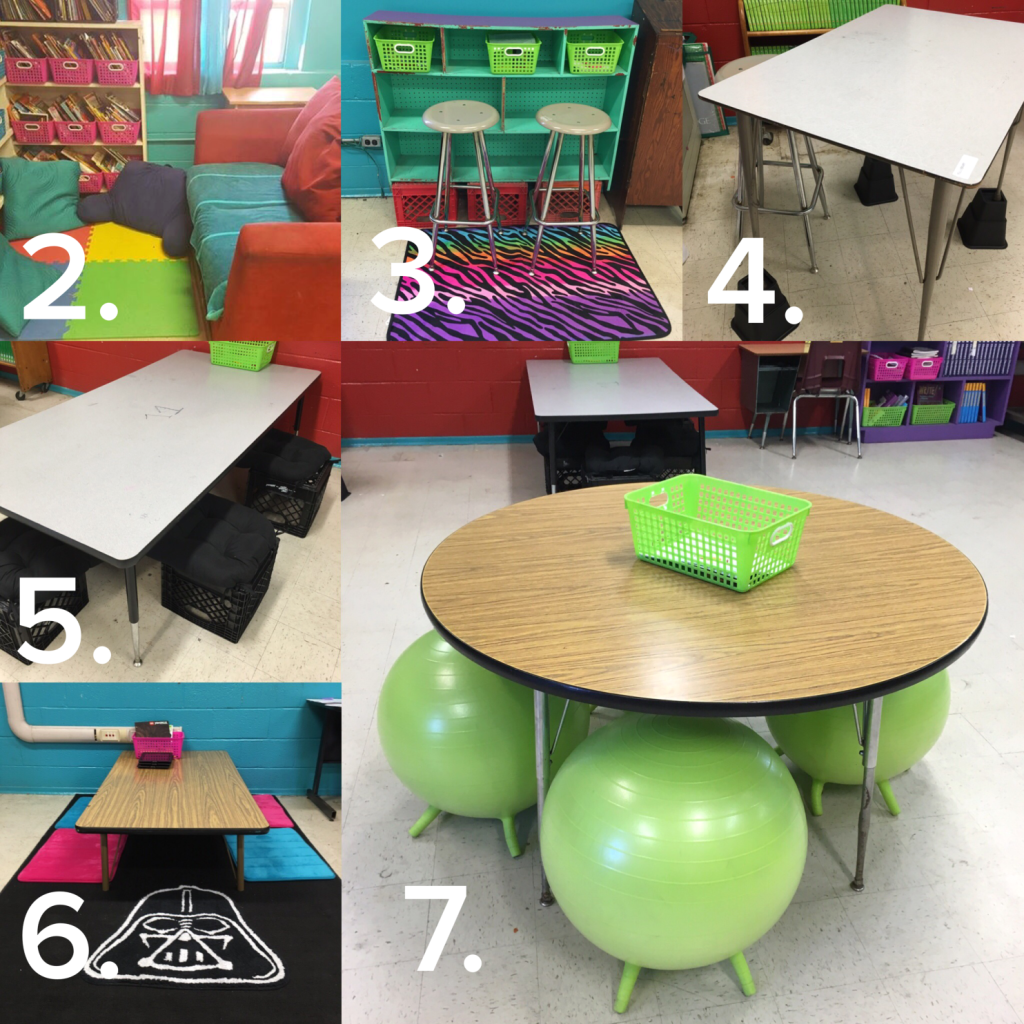
So, if you’re looking for ways to optimize your small space while offering your students a conducive learning environment, here are some flexible seating ideas that you can consider:
1. Floor cushions: For a relaxed and informal setting, floor cushions provide a comfortable option for students to sit on while working individually or in groups. They can be easily stacked when not in use, making them ideal for limited spaces.
2. Bean bags: Bean bags offer a cozy and casual seating option that allows students to find their most comfortable position while studying or participating in group activities. They come in various sizes and shapes, making them versatile enough to fit any available space.
3. Futons or daybeds: If your small space allows it, incorporating futons or daybeds can create a relaxed lounge area where students can read or work independently. These multi-functional pieces also serve as additional sleeping accommodations during overnight school events.
4. Standing desks: Standing desks have become increasingly popular due to their potential health benefits such as improved posture and increased calorie burn compared to sitting all day long. They also take up less space than traditional desks since multiple standing stations can be arranged within one area.
5. Exercise balls: Adding stability balls as seats provides an active sitting experience that engages core muscles while allowing for subtle movements throughout the day – perfect for restless learners! These lightweight and space-saving options are ideal for small classrooms.
6. Stools: Compact and versatile, stools are a great choice for small spaces as they can be easily tucked away when not in use. They come in various heights, providing options for students of different ages and preferences.
7. Lap desks: Lap desks offer a portable workspace solution for students who enjoy working on the floor or sitting on comfortable seating arrangements like bean bags or cushions. These compact surfaces provide a stable platform to write or use electronic devices without the need for traditional desks.
8. Wobble chairs: Designed to allow gentle rocking motions, wobble chairs promote active sitting while maintaining stability and comfort. They help improve focus and concentration by allowing students to release excess energy through controlled movements.
9. Wall-mounted foldable tables: In cases where floor space is limited, wall-mounted foldable tables can be an excellent option. These tables can be raised or lowered as needed, creating instant workstations that can accommodate individual or group activities.
10. Collaborative furniture: Consider investing in multi-functional furniture pieces specifically designed for collaborative learning environments within small spaces. Examples include modular seating arrangements that can be configured in various ways to foster teamwork and creativity.
Remember that implementing flexible seating options requires careful planning and consideration of safety regulations and student needs. It’s essential to communicate expectations regarding responsible usage with your students so they understand how to handle these alternative seating choices appropriately.
Additionally, it’s important to regularly assess the effectiveness of your chosen seating arrangements by seeking feedback from both teachers and students alike. This will help you make informed decisions about any adjustments or improvements required along the way.
In conclusion, creating a flexible seating arrangement within a small space doesn’t have to be a daunting task. By embracing innovative alternatives such as floor cushions, bean bags, standing desks, exercise balls, stools, lap desks, wobble chairs, wall-mounted foldable tables, and collaborative furniture – you’re not only maximizing your space but also providing a dynamic learning environment that fosters engagement and creativity. So, go ahead, think outside the box, and transform your small space into an educational oasis where students can thrive.
 Alternative Amie
Leave a comment