Automotive Education: A Case Study on Alternative Schooling and Training
Introduction:
In today’s rapidly evolving world, traditional educational systems often struggle to keep up with emerging industries and technologies. One such industry is the automotive sector, which requires a skilled workforce to meet the demands of an ever-changing landscape. While conventional education programs exist for aspiring auto professionals, alternative schooling and training options have gained popularity in recent years. This case study aims to explore the effectiveness of alternative automotive education by examining one particular program that offers hands-on training, practical experience, and industry connections.
Case Study Overview:
The case study focuses on AutoTech Academy, an innovative institution offering a comprehensive automotive education curriculum designed to bridge the gap between traditional schooling and real-world industry requirements. The academy provides students with both theoretical knowledge and hands-on experience through instructor-led classes, workshops, internships, and mentorship programs.
Curriculum Design:
AutoTech Academy’s curriculum is structured around three main pillars: technical knowledge acquisition, practical skills development, and professional networking opportunities.
1. Technical Knowledge Acquisition:
The academy places great emphasis on teaching students key foundational concepts related to automotive technology. Courses cover topics such as engine basics (including internal combustion engines), electrical systems (wiring diagrams and troubleshooting), fuel systems (fuel injection), braking systems (anti-lock brakes), transmission systems (manual/automatic transmissions), diagnostics techniques using specialized tools/software interfaces like OBD2 scanners or oscilloscopes.
2. Practical Skills Development:
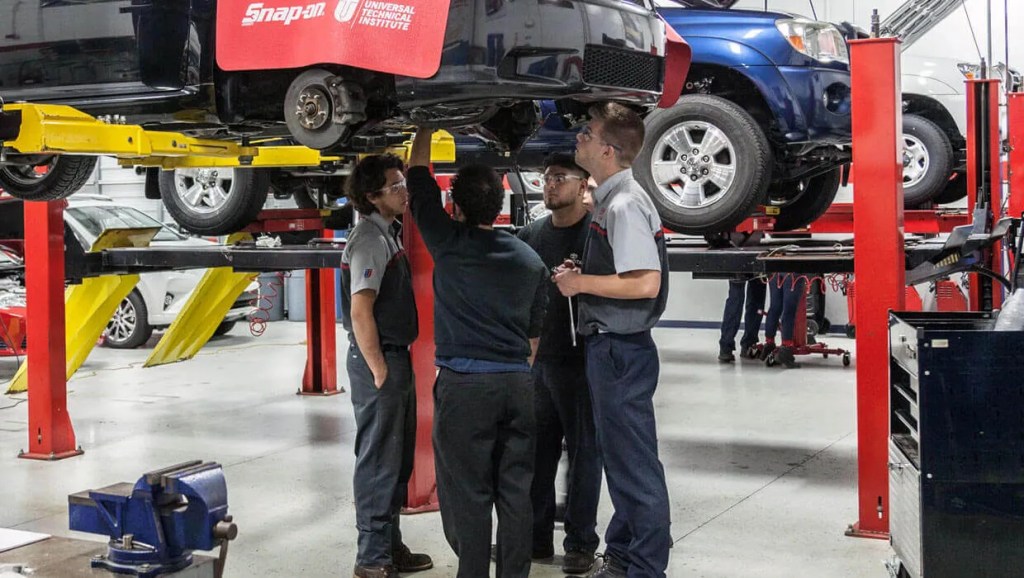
Hands-on learning experiences are crucial for success in the automotive field. AutoTech Academy provides state-of-the-art facilities equipped with modern diagnostic equipment and vehicles for students to gain practical skills under expert guidance. Students learn how to perform routine maintenance tasks like oil changes or brake pad replacements alongside more complex repairs such as engine overhauls or transmission rebuilds.
3. Professional Networking Opportunities:
Recognizing that successful integration into the industry relies heavily on building relationships within it; AutoTech Academy facilitates networking opportunities for its students. Guest speakers from the automotive industry, such as technicians, managers, and entrepreneurs share their experiences and offer insights into career paths. Additionally, the academy partners with local auto shops to provide internships and mentorship programs that allow students to gain hands-on experience while establishing professional connections.
Student Success Stories:
To evaluate the effectiveness of AutoTech Academy’s alternative automotive education approach, let’s look at a few success stories of former students who have excelled in their careers after completing the program.
1. Sarah Thompson:
Sarah enrolled in AutoTech Academy after high school without any prior experience in mechanics. Through rigorous training and hands-on workshops, she gained confidence in her abilities. The academy’s internship program provided her with real-world exposure, leading to an entry-level position at a reputable auto repair shop immediately upon graduation. Today, Sarah is a successful certified technician working for an established dealership.
2. John Davis:
John had always been passionate about cars but struggled academically in traditional schooling environments due to his learning style not aligning with conventional methods. However, when he joined AutoTech Academy, the combination of practical training and individualized instruction allowed him to excel. Upon completion of the program, John started his own mobile mechanic business specializing in electrical system repairs.
3. Jessica Gonzalez:
Jessica came from a family of mechanics but wanted more formal training before joining her family business. After attending AutoTech Academy’s comprehensive program and gaining hands-on experience through internships arranged by the academy; she returned home ready to contribute effectively within her family-owned garage while also expanding services offered based on new knowledge acquired during her studies.
Conclusion:
The case study highlights how alternative automotive education programs like AutoTech Academy can successfully prepare individuals for careers in the automotive industry by providing them with valuable theoretical knowledge combined with extensive practical skills development and networking opportunities.
While traditional educational systems often struggle to adapt quickly enough to meet industry demands, alternative schooling and training options offer a more responsive approach. By focusing on hands-on learning experiences and fostering professional connections within the industry, these programs empower students to excel in their chosen field. AutoTech Academy’s success stories further support the effectiveness of such alternative education models and indicate a promising future for automotive education.
 Alternative Amie
Leave a comment