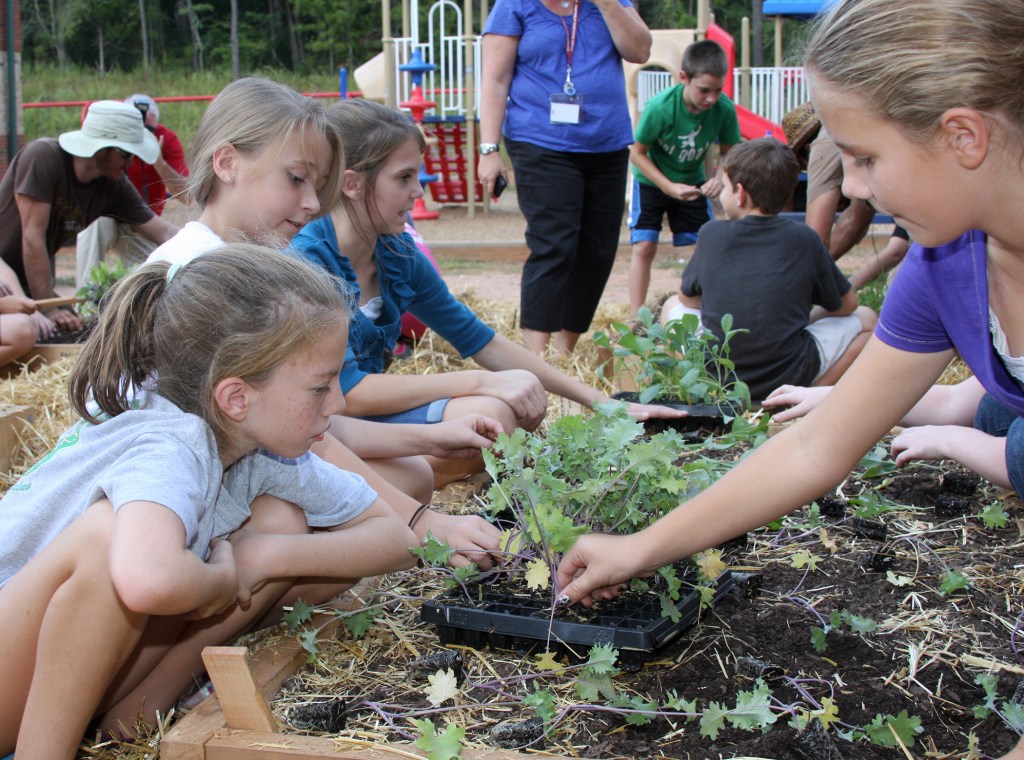
Gardening is not just a hobby or a way to beautify your surroundings. It can also be an excellent tool for education, teaching children about sustainability and the importance of taking care of our environment. By incorporating gardening into alternative schooling and education, we can create hands-on learning experiences that foster a deeper understanding of nature and sustainable practices.
One of the first things to consider when starting a garden at an alternative school is to choose organic and non-GMO seeds. By doing so, you are promoting biodiversity and supporting sustainable agriculture practices. Teach students about the dangers of genetically modified organisms (GMOs) and how they can harm both human health and the environment.
Next, it’s essential to involve students in every aspect of the gardening process – from planning to planting, nurturing, and harvesting. Allow them to have ownership over their plots or sections within the garden. This will instill a sense of responsibility as they learn how to take care of plants properly.
To make gardening even more engaging for students, incorporate various subjects into their lessons. For instance, math skills can be honed through measuring soil pH levels or calculating plant spacing. Science concepts such as photosynthesis and plant life cycles become tangible when observed firsthand in a garden setting.
Introduce composting as part of your gardening program by creating a compost bin on-site where students can dispose of food scraps from the school cafeteria or their own lunches. Teach them about reducing waste by recycling organic matter back into nutrient-rich soil instead of sending it to landfills.
In addition to traditional gardening methods, consider introducing hydroponics or aquaponics systems in your alternative school’s curriculum. These innovative techniques allow plants to grow without soil while conserving water resources significantly. Students will gain insight into sustainable farming practices while exploring new ways to cultivate food in urban areas with limited space.
Another critical aspect is educating students about pollinators’ role in maintaining biodiversity within our ecosystems. Set up a pollinator-friendly area in the garden, complete with native plants that attract bees, butterflies, and other beneficial insects. Teach students about the importance of these creatures and how they contribute to food production.
Finally, encourage students to share their gardening experiences with others by organizing community events or hosting farmers’ markets on school grounds. This way, they can showcase the fruits (or vegetables) of their labor while spreading awareness about sustainable practices within their local community.
Gardening offers invaluable opportunities for alternative schooling and education. It teaches children not only about science and nature but also instills values such as responsibility, environmental stewardship, and sustainability. By incorporating gardening into your curriculum, you are equipping students with practical skills that will benefit them throughout their lives while fostering a deep connection with the natural world around them.
 Alternative Amie
Leave a comment