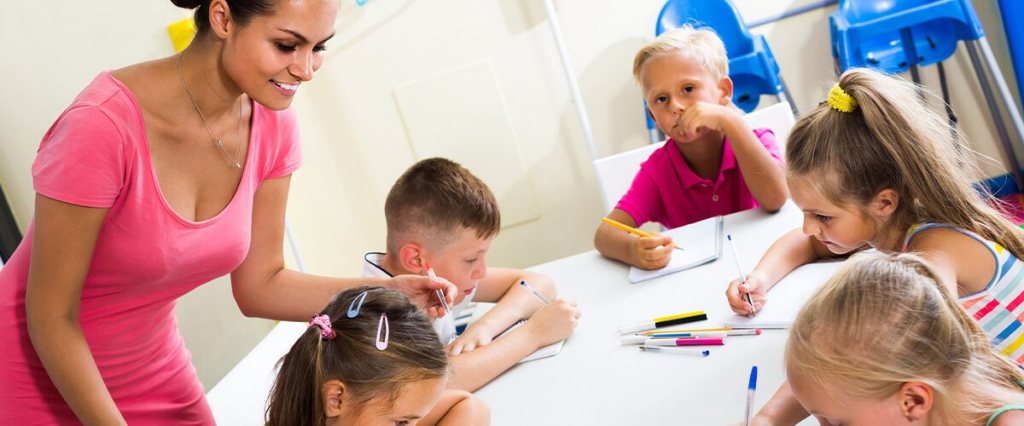
Observations in Alternative Schooling and Education
Introduction:
In recent years, alternative schooling and education have gained significant attention as people seek innovative approaches to learning. These alternatives offer a departure from traditional classroom settings, providing students with unique educational experiences that cater to their individual needs and interests. As a journalist passionate about education, I have had the opportunity to observe various alternative schools and programs. In this article, I will share my observations on alternative schooling methods, highlighting their benefits and challenges.
1. Montessori Method:
One of the most well-known alternative education approaches is the Montessori method. Developed by Dr. Maria Montessori in the early 1900s, this approach emphasizes hands-on learning, self-directed activities, and mixed-age classrooms.
During my observation at a Montessori school, I was struck by how engaged and independent the students were. The classrooms were organized into different areas focused on specific subjects like language or mathematics. Each area contained materials that facilitated self-guided exploration.
The mixed-age classrooms fostered collaboration among students of different ages as older children mentored younger ones. This dynamic not only encouraged social interaction but also allowed older students to reinforce their knowledge by teaching concepts to others.
2. Waldorf Education:
Waldorf education is another popular alternative approach known for its holistic focus on intellectual, artistic, practical skills development in a supportive environment.
In my visit to a Waldorf school, I noticed an emphasis on creativity and imagination across all subjects. Artistic expression was integrated into academic lessons while encouraging critical thinking skills.
One unique aspect was the absence of technology during early childhood years; instead, there was an emphasis on imaginative play using natural materials such as wooden toys or handmade crafts.
Another remarkable feature of Waldorf education was rhythmical daily routines that helped create stability for students while nurturing their physical well-being through activities like gardening or woodworking.
3. Democratic Schools:
Democratic schools are built upon the principles of self-governance, personal freedom, and participatory decision-making. Students in these schools have an equal say in matters that affect them, including curriculum choices and school policies.
During my observation at a democratic school, I witnessed vibrant discussions during weekly meetings where students and staff made decisions collectively. This experience empowered students to take ownership of their education and develop important life skills such as critical thinking, negotiation, and conflict resolution.
The flexible structure allowed students to pursue their interests independently or collaborate with peers on projects they were passionate about. This autonomy sparked creativity and intrinsic motivation among the students.
4. Project-Based Learning:
Project-based learning (PBL) is an alternative approach that focuses on real-world problem-solving through hands-on projects rather than traditional subject-based teaching methods.
In a PBL setting I visited, students were assigned long-term projects that required research, critical thinking, collaboration, and presentation skills. These projects often integrated multiple subjects into one cohesive assignment.
By engaging in project-based learning activities, students developed practical skills while gaining a deeper understanding of concepts across various disciplines. The emphasis on real-world applications also increased student motivation by making learning relevant to their lives beyond the classroom walls.
5. Unschooling:
Unschooling is an educational philosophy rooted in self-directed learning where children are encouraged to follow their passions without strict curricula or formal lessons. Instead of relying solely on textbooks or structured classes, unschoolers learn from everyday experiences and explore topics based on personal interest.
During my interaction with unschooling families, I observed how parents facilitated experiential learning opportunities for their children by providing resources like books or materials tailored to each child’s curiosity.
Unschoolers often engage with the world around them through field trips, community involvement programs, online courses or workshops designed specifically for their interests. This approach fosters a love for lifelong learning while allowing individuals to shape their education according to their strengths and aspirations.
Conclusion:
Alternative schooling and education methods offer diverse approaches to learning that cater to the unique needs of students. Through observations at various alternative schools, I have witnessed the benefits of methodologies like Montessori, Waldorf, democratic schooling, project-based learning, and unschooling.
These approaches empower students by fostering independence, creativity, critical thinking, collaboration skills while providing real-world applications. However, it is important to acknowledge that each method comes with its own set of challenges such as limited resources or potential difficulties in transitioning to traditional educational settings.
By recognizing the strengths and limitations of alternative schooling methods through careful observation and research-driven analysis, we can continue to improve educational practices for a more holistic approach that meets the diverse needs of learners in our ever-evolving world.
 Alternative Amie
Leave a comment