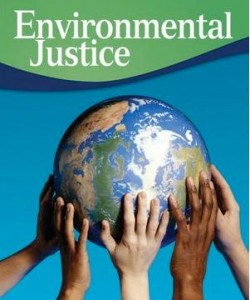
Environmental justice is a pressing issue that affects communities across the globe. It refers to the fair treatment and involvement of all people, regardless of their race, income, or ethnicity, in environmental policy-making and access to resources. Environmental injustice occurs when marginalized communities bear a disproportionate burden of environmental hazards.
One significant environmental justice issue is air pollution. Studies have shown that low-income neighborhoods and communities of color are often located near industrial facilities or highways, leading to higher levels of harmful air pollutants like carbon monoxide and particulate matter. These pollutants can cause respiratory problems such as asthma and contribute to long-term health issues.
Water contamination is another crucial concern in environmental justice. Many marginalized communities lack access to clean drinking water due to factors such as proximity to industrial waste sites or inadequate infrastructure. This leads residents to consume water contaminated with toxic chemicals, which can lead to severe health consequences.
Landfills and waste disposal sites disproportionately affect disadvantaged neighborhoods. Waste facilities emit foul odors, attract pests, and contaminate groundwater with hazardous substances. They also lower property values in surrounding areas, perpetuating poverty cycles by making it difficult for residents to sell their homes or find affordable housing elsewhere.
Limited access to green spaces is an additional environmental justice issue faced by many underprivileged communities. Parks and recreational areas are essential for physical activity, mental well-being, and community building. However, these spaces are often lacking in low-income neighborhoods compared to wealthier areas where parks are more abundant.
Food deserts pose yet another challenge related to environmental justice. These are areas where fresh fruits, vegetables, and other healthy foods are scarce or unavailable due to a lack of grocery stores nearby. Instead, convenience stores selling unhealthy processed foods dominate these regions – contributing significantly to poor nutrition-related health outcomes among residents.
Climate change impacts also play a role in exacerbating existing inequalities within society. Vulnerable populations face increased risks from extreme weather events such as hurricanes or heatwaves due to inadequate infrastructure, limited resources, and social exclusion. Additionally, climate change disproportionately affects agricultural communities that rely heavily on natural resources for their livelihoods.
Environmental justice issues are also prevalent in the realm of education. Many marginalized communities lack access to quality environmental education programs and initiatives, limiting their knowledge about sustainable practices and their ability to participate in environmental decision-making processes. This further perpetuates inequalities as these skills are increasingly important in an environmentally conscious world.
To address these environmental justice issues, it is crucial to advocate for policy changes that prioritize the well-being of marginalized communities. This includes stricter regulations on polluting industries, improving infrastructure in disadvantaged areas, investing in renewable energy sources, and promoting equitable access to clean water and healthy food options.
Furthermore, community involvement is essential. Empowering residents through grassroots organizations can help amplify their voices and provide a platform for advocating for environmental justice. By promoting awareness and engaging with affected communities directly, we can work together towards a more equitable future where everyone has equal rights to a clean environment.
 Alternative Amie
Leave a comment