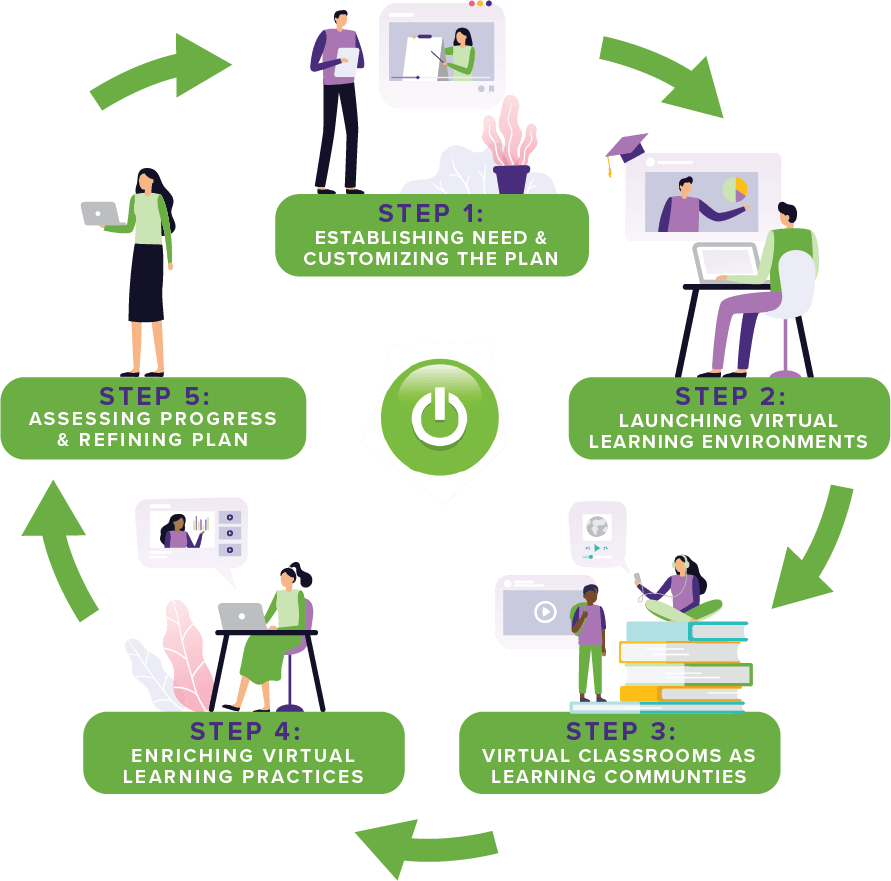
Creating a Conducive Online Learning Environment
With the advancements in technology and the increasing popularity of online education, creating a conducive online learning environment has become more important than ever. Whether you are a student seeking alternative schooling options or an educator looking to enhance your teaching skills in the virtual space, setting up an effective online learning environment is crucial for success. In this article, we will explore some key strategies and tips to help you create a productive and supportive virtual classroom.
1. Establish Clear Expectations:
One of the first steps in establishing a conducive online learning environment is to clearly communicate expectations to both students and parents/guardians. This includes setting guidelines for attendance, participation, assignment submission, communication channels, and behavior during virtual classes. By providing clear instructions from the outset, students will have a better understanding of what is expected of them and can actively engage in their learning process.
2. Foster Communication:
Effective communication plays a vital role in any educational setting. In an online learning environment, it becomes even more critical as students may feel isolated or disconnected from their peers and teachers. Encourage regular interaction through discussion forums, video conferencing sessions, group projects, and individual feedback sessions. Additionally, make yourself available for questions or concerns through email or designated office hours.
3. Use Engaging Tools:
Online platforms offer numerous tools that can be utilized to make lessons engaging and interactive. Incorporate multimedia elements such as videos, slideshows, quizzes, games into your lessons to keep students motivated and interested in the content being taught. Collaborative tools like Google Docs or Padlet can facilitate group work while screen-sharing features allow teachers to demonstrate concepts effectively.
4.Tailor Lessons for Online Learning:
Adapting traditional classroom materials for an online format requires careful consideration of how content is presented. Break down complex topics into smaller modules with clear objectives so that students can grasp one concept before moving on to the next one seamlessly. Utilize a variety of learning resources such as e-books, online articles, and interactive simulations to cater to different learning styles.
5. Promote Time Management Skills:
Time management is crucial for success in an online learning environment where students have more control over their schedules. Teach your students effective time management techniques such as creating daily/weekly study plans or using digital tools like calendars or task managers to prioritize assignments and deadlines. Encourage them to allocate specific blocks of time for studying, attending virtual classes, completing assignments, and taking breaks.
6. Cultivate a Positive Learning Atmosphere:
Creating a positive and supportive atmosphere can greatly enhance the online learning experience for both students and teachers. Share inspirational quotes or stories during virtual sessions to boost motivation levels. Praise student achievements publicly and provide constructive feedback privately to foster a growth mindset among learners. Encourage peer-to-peer interaction by assigning group projects or facilitating online discussions on relevant topics.
7.Provide Regular Assessments:
Assessment is an integral part of the learning process that helps measure progress and identify areas for improvement. In an online setting, it becomes essential to provide regular assessments that are aligned with the course objectives. Consider utilizing formative assessments like quizzes or short assignments throughout the course as well as summative assessments such as exams or project submissions at the end of each unit.
8.Support Digital Literacy Skills:
Online learning requires a basic level of digital literacy skills from both students and educators alike. Provide guidance on how to navigate through the virtual classroom platform, access course materials, submit assignments electronically, use online research tools effectively, and practice responsible digital citizenships such as respecting copyright laws when using external resources.
9.Encourage Peer Collaboration:
Collaboration is an important aspect of education that promotes critical thinking skills while fostering teamwork among students. Encourage peer collaboration through group projects or paired activities where students can work together virtually using various communication tools available in your chosen platform.
10.Regularly Evaluate and Adapt:
Lastly, it is important to regularly evaluate the effectiveness of your online learning environment and make necessary adjustments as needed. Seek feedback from students and parents/guardians through surveys or individual conversations to identify areas of improvement. Stay up-to-date with technological advancements and educational trends to incorporate new tools or techniques that can enhance the virtual classroom experience.
In conclusion, creating a conducive online learning environment requires careful planning, effective communication, engaging instructional strategies, and continuous evaluation. By implementing these strategies and fostering a supportive atmosphere, educators can ensure that students have the best possible learning experience in the virtual space.
 Alternative Amie
Leave a comment