Balancing Academics and Socialization in Co-ops: A Retrospective
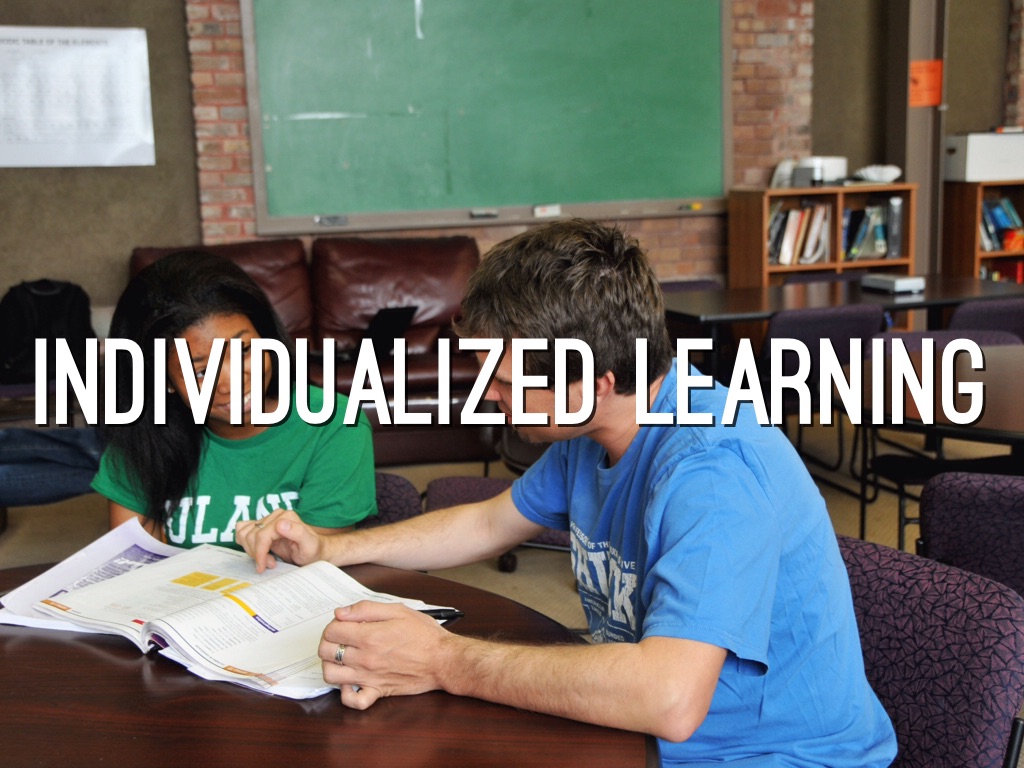
Alternative schooling offers a diverse range of educational approaches, each with its own unique benefits and challenges. One such approach is the co-operative education model, where students actively participate in the management and decision-making processes of their learning environment. Co-ops provide an enriching blend of academics and socialization, allowing students to develop both intellectually and socially within a cooperative community.
In a traditional school setting, academics often take center stage while socialization may be relegated to recess or lunch breaks. However, co-ops prioritize the development of well-rounded individuals by creating an environment that fosters both academic growth and interpersonal skills.
One key advantage of co-op education is the emphasis on self-directed learning. Students have more control over their educational experience as they contribute to decision-making processes regarding curriculum design, assessment methods, and even teaching techniques. This increased agency empowers students to take ownership of their learning journey while also building valuable skills like problem-solving and critical thinking.
Furthermore, in a co-op setting, social interaction becomes an integral part of the learning process rather than merely incidental. Collaborative projects allow students to work together towards shared goals while honing their communication and teamwork skills. Whether it’s through group discussions or hands-on activities, these cooperative experiences cultivate empathy, understanding, and respect for others’ perspectives – all crucial aspects for successful socialization.
Cooperative education also provides ample opportunities for peer-to-peer mentoring and support. Older students can guide younger ones through various subjects or help them navigate challenging assignments. This mentorship not only enhances academic performance but also promotes friendships across age groups within the co-op community.
Moreover, because co-op environments typically include mixed-age groups instead of strict grade levels found in traditional schools, socialization extends beyond peers who are strictly within one’s age bracket. Interacting with individuals from different age groups encourages mutual respect while fostering personal growth and maturity.
However, it is important to acknowledge that balancing academics and socialization in co-ops can be a delicate task. Without proper guidance, students may become too focused on socializing at the expense of their academic progress. Conversely, an overemphasis on academics might hinder opportunities for social interaction and personal development. Striking the right balance requires careful planning and a commitment from both students and educators.
To address this challenge, many co-ops implement structured schedules that allocate specific time slots for academic pursuits as well as social activities. This structure ensures that students have dedicated periods for focused learning while also providing ample opportunities for collaborative projects, discussions, or extracurricular activities that promote socialization.
Moreover, regular check-ins with mentors or advisors can help students set goals and assess their progress academically and socially. These mentorship relationships provide guidance to strike the balance between rigorous academics and meaningful interactions within the co-op community.
Additionally, creating a supportive environment where open communication is encouraged helps prevent potential issues related to imbalances between academics and socialization. Regular meetings involving all stakeholders – including parents, educators, administrators, and students – allow individuals to express their concerns or suggestions openly while collectively working towards maintaining a healthy equilibrium in the co-op setting.
In conclusion, co-operative education offers a unique blend of academics and socialization by prioritizing self-directed learning within a cooperative community. By empowering students with agency over their educational experience while fostering collaboration among peers of different ages, co-ops create an environment conducive to holistic growth. However, achieving a balance between rigorous academics and meaningful interactions requires intentional planning and ongoing support from mentors or advisors. With these measures in place, alternative schools can successfully navigate the delicate task of harmonizing academia with socialization in co-operative education models.
 Alternative Amie
Leave a comment