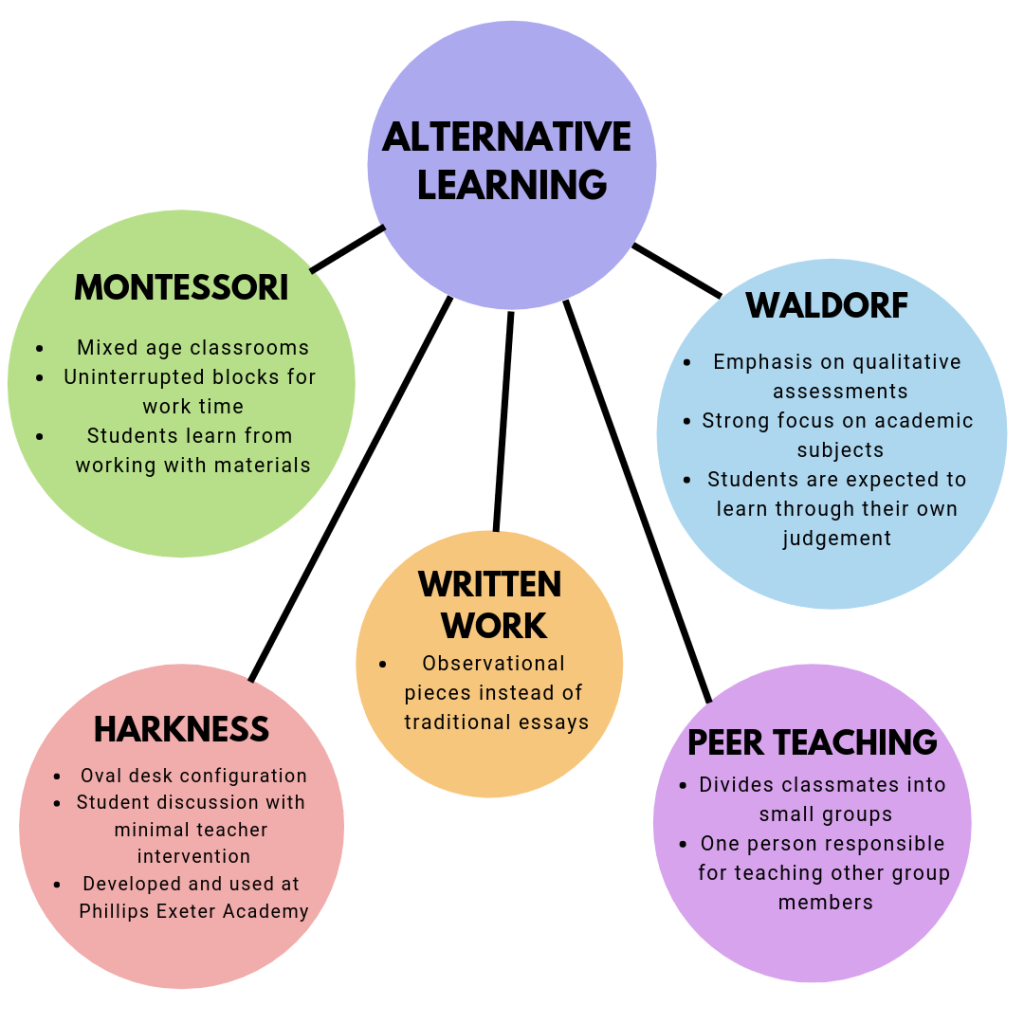
Alternative education has gained popularity in recent years as a way to provide students with unique learning experiences that go beyond the traditional classroom setting. One of the key aspects of alternative schooling is self-directed learning, where students take control of their own education and pursue topics that interest them.
Self-directed learning allows students to explore their passions and develop critical thinking skills. In alternative schools, students are encouraged to set goals for themselves and create personalized learning plans. They have the freedom to choose what they learn, how they learn it, and at what pace they progress.
Technology plays a significant role in alternative education by providing innovative tools for teaching and learning. With access to computers, tablets, and the internet, students can engage in online courses, virtual field trips, and interactive educational games. Technology also enables collaboration between students from different locations through video conferencing or online discussion forums.
Montessori-inspired learning communities follow an approach that emphasizes hands-on activities and individualized instruction. Students work with specially designed materials that promote independent exploration and problem-solving skills. Montessori schools often have mixed-age classrooms where older children mentor younger ones, fostering collaboration and peer-to-peer learning.
Project-based learning is another popular method used in non-traditional settings. Students tackle real-world problems or projects that require research, critical thinking, creativity, and teamwork. This approach helps develop essential 21st-century skills such as communication, collaboration, and problem-solving.
Outdoor and nature-based education programs provide opportunities for experiential learning in natural environments. Students learn about ecology, sustainability practices, team-building skills through outdoor activities like hiking or gardening.
Artistic expression is highly valued in alternative schooling environments. Art activities encourage creativity while promoting self-expression and emotional well-being among students.
Social justice and equity are important considerations within alternative education systems. These schools aim to create inclusive communities where every student feels valued regardless of their background or identity.
Assessment practices focus on holistic approaches rather than relying solely on standardized tests. Alternative schools use a variety of methods, including portfolios, presentations, and self-evaluations to assess student progress.
Mindfulness practices are integrated into alternative education to promote emotional well-being and reduce stress levels among students. Techniques such as meditation and breathing exercises help students develop focus, self-awareness, and empathy.
Cooperative learning strategies foster collaboration among students in non-traditional classrooms. Group projects and discussions encourage communication skills, teamwork, and the ability to respect diverse perspectives.
Experiential learning opportunities provide hands-on experiences that connect classroom learning with real-world contexts. Field trips or internships allow students to apply their knowledge in practical settings.
Community partnerships play a vital role in alternative schools by connecting students with local organizations or businesses. These collaborations provide valuable resources for project-based learning or mentorship opportunities.
Unschooling is an educational philosophy within alternative communities where children have the freedom to pursue their interests without following a set curriculum. This approach promotes independent thinking and lifelong learning.
Multiculturalism and diversity are celebrated within alternative schooling environments as they recognize the value of different backgrounds and perspectives in enriching the educational experience for all students.
Non-traditional approaches to teaching literacy skills involve incorporating literature from various genres or cultures into the curriculum. Students engage in reading activities that reflect their interests while developing critical thinking skills through analysis and interpretation of texts.
Emotional intelligence development is prioritized within alternative education settings through activities that promote self-reflection, empathy, and interpersonal relationships. Students learn how to manage emotions effectively while understanding others’ feelings.
Conflict resolution techniques are taught within alternative school communities to empower students with effective communication skills when addressing conflicts or disagreements peacefully.
Inclusion of students with special needs is a fundamental principle upheld by non-traditional classrooms. These schools strive to create an inclusive environment where every student’s unique strengths are recognized and supported.
Alternative models of teacher-student relationships emphasize mutual respect and collaboration. Teachers act as facilitators, guiding students’ learning journeys and fostering a supportive learning environment.
Parent involvement and collaboration are highly valued within alternative schools. Parents are seen as partners in education, actively participating in decision-making processes and supporting their child’s learning experiences.
In conclusion, alternative schooling offers a wide range of educational approaches that prioritize self-directed learning, the use of technology, personalized instruction, project-based learning, nature-based education programs, art and creativity, social justice and equity initiatives, holistic assessment methods, mindfulness practices, cooperative learning strategies experiential opportunities community partnerships. Additionally it supports unschooling philosophies multiculturalism diverse literacy teaching models emotional intelligence development conflict resolution techniques inclusion of special needs students alternative teacher-student relationships parent involvement collaboration. These various aspects provide unique educational experiences for students that go beyond the traditional classroom setting to cultivate lifelong learners who are prepared for the challenges of the future.
 Alternative Amie
Leave a comment