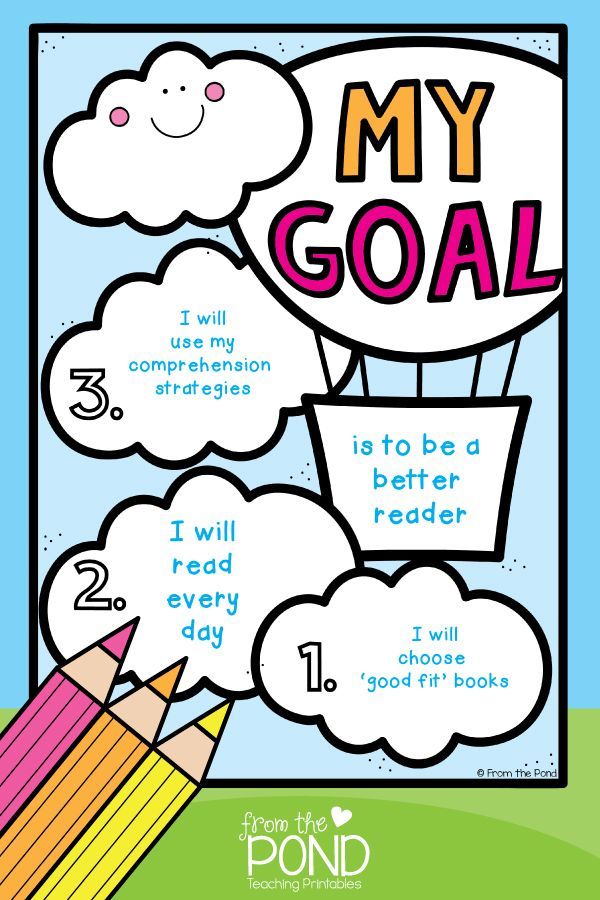
Setting goals is an important aspect of personal and academic growth. Whether you are a student, parent, or educator, goal setting can help you stay focused and motivated to achieve success. In this article, we will explore the top 15 tips for effective goal setting in alternative schooling and education.
1. Start with clarity: Clearly define your goals to have a clear direction of what you want to achieve. Be specific about what you want to accomplish and set measurable targets.
2. Prioritize: Determine which goals are most important and focus on those first. This will help prevent feeling overwhelmed and ensure progress is made.
3. Set realistic expectations: While it’s great to aim high, make sure your goals are attainable within the given time frame and resources available.
4. Break it down: Breaking larger goals into smaller milestones makes them more manageable and increases the likelihood of success.
5. Create an action plan: Outline the steps needed to reach each milestone or goal. A well-structured plan helps maintain focus and provides guidance along the way.
6. Stay organized: Use tools like calendars, planners, or digital apps to keep track of deadlines, tasks, and progress towards your goals.
7. Seek support: Surround yourself with individuals who share similar objectives or can offer guidance when needed.
8. Embrace flexibility: Life often throws unexpected challenges our way; be open-minded and adaptable in adjusting your plans accordingly without losing sight of your ultimate goal.
9. Celebrate achievements along the way: Recognize small victories as they contribute towards overall progress, fostering motivation for continued efforts.
10. Monitor progress regularly: Regularly assess how far you’ve come towards achieving your goals by reviewing milestones reached or areas that need improvement.
11.Track setbacks as learning opportunities – Accept that setbacks are part of any journey but use them as opportunities for growth rather than reasons for giving up
12.Be accountable – Hold yourself responsible for sticking to the action plan and meeting your goals, or find an accountability partner who can support you in staying on track.
13. Stay motivated: Find inspiration through positive affirmations, visualization techniques, or reading success stories related to your field of interest.
14. Learn from failures: Failure is a stepping stone to success. Analyze the reasons behind any unsuccessful attempts and use them as learning experiences for future endeavors.
15. Reflect and revise: As you progress towards your goals, periodically reflect on whether they are still aligned with your aspirations and make necessary adjustments if required.
By incorporating these goal-setting strategies into alternative schooling and education environments, students can develop strong skills in planning, organization, perseverance, and self-reflection – all of which contribute to their personal growth and academic success. Remember that setting goals is not just about achieving the desired outcome but also about embracing the journey along the way.
 Alternative Amie
Leave a comment