Introduction to Stocks and Bonds
In the world of finance, stocks and bonds are two essential investment options that individuals can consider. Whether you are a seasoned investor or just starting your financial journey, understanding these investment vehicles is crucial for making informed choices about your money.
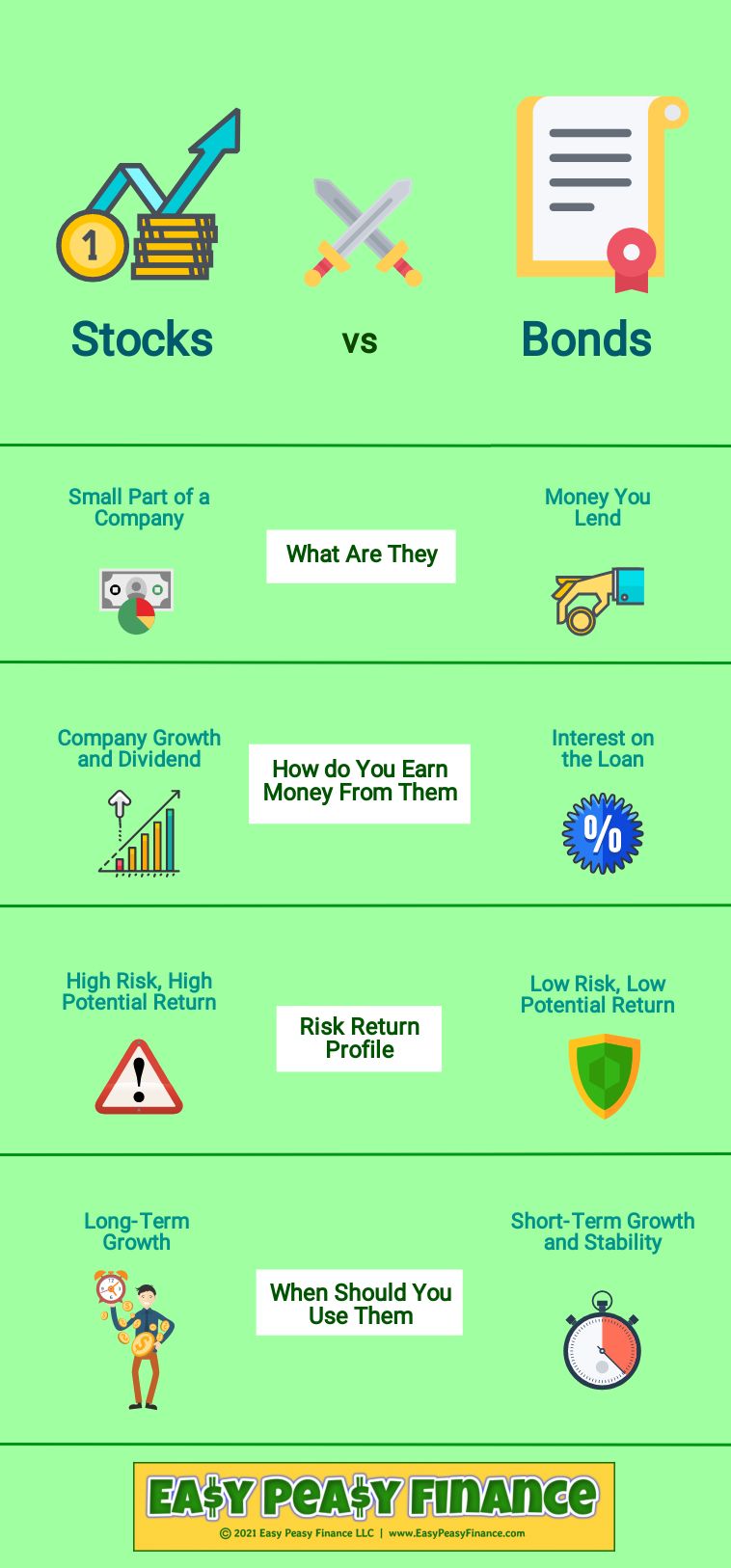
Stocks, also known as shares or equities, represent ownership in a company. When you buy stocks, you become a shareholder and have a claim on the company’s assets and earnings. Companies issue stocks to raise capital for various purposes such as expanding operations or funding research and development.
Investing in stocks offers the potential for high returns but comes with inherent risks. The value of individual stock prices fluctuates daily due to factors like market demand, economic conditions, company performance, and industry trends. Investors who hold stocks aim to benefit from capital appreciation (the increase in stock price) as well as dividends (a portion of profits distributed by some companies).
Bonds differ from stocks in that they represent debt rather than ownership. When an entity issues bonds (which can be governments, municipalities, corporations), it is borrowing money from investors who purchase those bonds. In return for lending their money, bondholders receive periodic interest payments called coupons until the bond reaches maturity when they get their initial investment back.
Compared to stocks’ potential volatility, bonds generally offer lower risks because they have fixed interest rates and predetermined repayment terms. This makes them more attractive to conservative investors seeking stable income streams over time.
One important distinction between stocks and bonds lies in their order of priority during bankruptcy proceedings. In case a company goes bankrupt or defaults on its debts, bondholders have higher preference over shareholders when it comes to recovering their investments.
Understanding how both asset classes work is crucial for building a diversified investment portfolio tailored to your risk tolerance and financial goals. While some investors may prefer an aggressive approach with higher exposure to equities (stocks), others might opt for more conservative strategies focusing on fixed-income securities like bonds.
Investors have the option to invest in individual stocks and bonds or through mutual funds and exchange-traded funds (ETFs). Mutual funds pool money from various investors to create a diversified portfolio managed by professional fund managers. ETFs, on the other hand, are investment vehicles that track specific indexes, sectors, or asset classes. They offer diversification at a lower cost compared to mutual funds.
It is important to note that investing in stocks and bonds requires careful research and analysis. Factors such as company financials, management team, industry trends, macroeconomic indicators, credit ratings for bonds, and interest rate environments all play a role in making informed investment decisions.
To further educate yourself about these investment options, it is advisable to read books on finance and investing or take courses offered by reputable institutions. Additionally, seeking advice from certified financial advisors can provide valuable insights tailored specifically to your financial situation.
In conclusion, stocks and bonds are two fundamental components of investment portfolios. By understanding their characteristics and risks associated with each asset class, investors can make informed decisions aligned with their goals. Whether you choose equities for potential capital appreciation or fixed-income securities for stability and income generation – the key lies in diversifying your investments while considering your risk tolerance level. Remember that investing always carries some degree of risk; therefore it’s crucial to do thorough research before making any financial commitments.
 Alternative Amie
Leave a comment