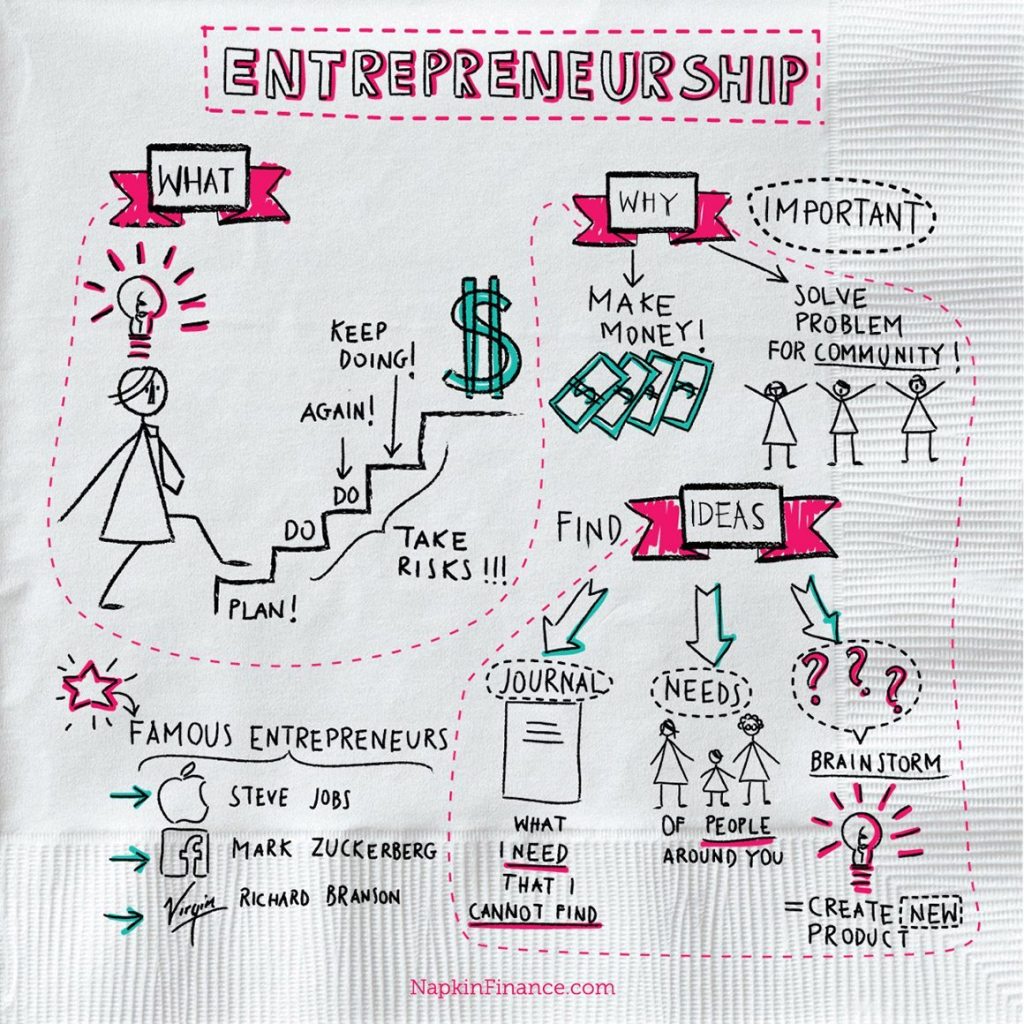
Entrepreneurship and Small Business Finance: Unlocking Success through Alternative Education
In the ever-evolving landscape of business, entrepreneurship has become an increasingly popular career path for individuals seeking independence, creativity, and financial freedom. With the rise of alternative education and unconventional learning methods, aspiring entrepreneurs now have more opportunities than ever to acquire the knowledge and skills needed to navigate the complex world of small business finance.
Traditional education systems often prioritize academic subjects while neglecting practical skills necessary for success in entrepreneurship. However, alternative schooling and education platforms recognize that real-world experience is equally valuable in cultivating entrepreneurial talents. By offering specialized programs focused on small business finance, these platforms empower individuals with a comprehensive understanding of financial management principles crucial to running a successful enterprise.
One key aspect of entrepreneurship revolves around managing finances effectively. Small businesses face unique challenges when it comes to financial planning and resource allocation. Without proper guidance or expertise in this area, entrepreneurs may find themselves struggling to secure funding or make informed decisions regarding cash flow management.
Alternative education provides an opportunity for budding entrepreneurs to gain insights into various aspects of small business finance:
1. Financial Literacy: Understanding fundamental concepts such as budgeting, cash flow forecasting, profit margins, and return on investment are essential for any entrepreneur looking to build a sustainable venture. Alternative education programs offer courses that focus on teaching these critical financial literacy skills from both theoretical and practical perspectives.
2. Accessible Learning Materials: Unlike traditional textbooks or standardized curricula found in conventional educational institutions, alternative education platforms often provide interactive online resources tailored specifically for aspiring entrepreneurs. These materials can include video lectures by industry experts, case studies addressing common financial challenges faced by startups or small businesses, interactive quizzes for self-assessment purposes, and step-by-step guides on creating effective business plans.
3. Mentorship Programs: Many alternative education platforms connect students with experienced mentors who have successfully navigated the world of entrepreneurship themselves. These mentors not only provide advice but also offer valuable insights into financial strategies, investment opportunities, and risk management. Access to such mentors can be instrumental in developing a well-rounded understanding of small business finance.
4. Practical Application: Alternative education encourages experiential learning by incorporating practical exercises and real-world simulations into their programs. By engaging in hands-on activities like creating financial projections or analyzing case studies, aspiring entrepreneurs gain invaluable experience that prepares them for the challenges they may face when launching and managing their own businesses.
5. Networking Opportunities: Building a strong professional network is crucial for entrepreneurship success. Alternative education platforms often provide networking events, workshops, and online communities where students can connect with like-minded individuals, industry experts, potential investors, and mentors. These connections can open doors to funding opportunities, partnerships, and collaborations necessary for growth.
While alternative education offers unique benefits for aspiring entrepreneurs seeking small business finance knowledge, it’s important to note that success ultimately depends on an individual’s dedication and commitment to learning. Like any educational pursuit, active engagement is key to maximizing the value gained from these programs.
Entrepreneurship requires a combination of passion, resilience, creativity, and adaptability – traits that cannot always be acquired through conventional schooling alone. By embracing alternative education methods focused on small business finance specifically tailored for entrepreneurs’ needs – individuals have the opportunity to acquire the skills required to turn their ideas into successful ventures.
In conclusion,
Alternative education has emerged as a powerful tool for aspiring entrepreneurs looking to gain expertise in small business finance. Through specialized programs emphasizing financial literacy alongside practical application and mentorship opportunities – individuals are empowered with the knowledge needed to navigate the complexities of entrepreneurship successfully.
By actively engaging with alternative educational resources and networks available – future entrepreneurs can unlock their full potential while building sustainable ventures based on sound financial principles.
 Alternative Amie
Leave a comment