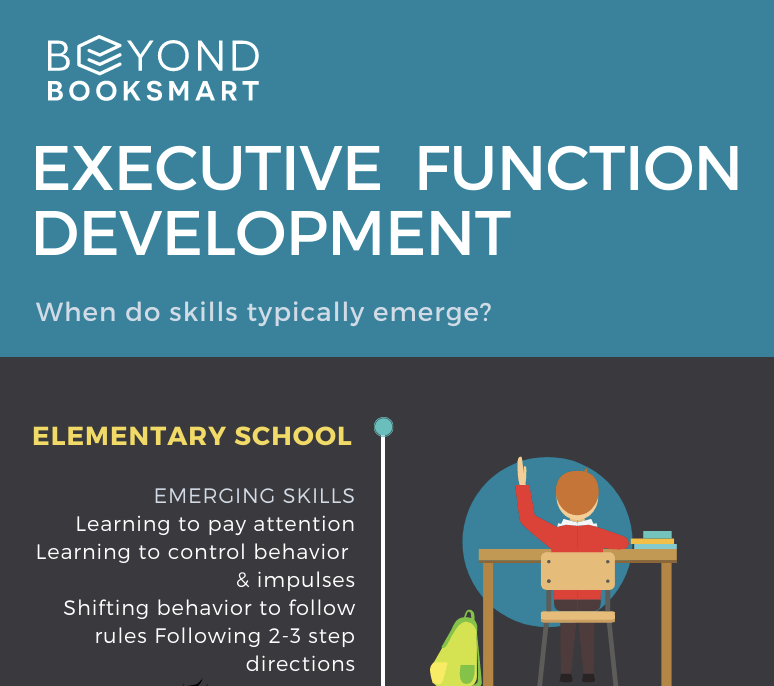
Executive Functioning Skills Development: Unlocking Potential for Success
Introduction:
In today’s rapidly changing world, it is becoming increasingly important for individuals to possess strong executive functioning skills. These skills play a vital role in our ability to plan, organize, manage time, initiate tasks, stay focused, regulate emotions and impulses, and reflect on our actions. While these skills are essential for success in all aspects of life, they are particularly crucial in the realm of education. Alternative schooling and education systems recognize the significance of developing executive functioning skills among students as a means to unlock their full potential.
What Are Executive Functioning Skills?
Executive functioning refers to a set of cognitive processes that enable individuals to engage in goal-directed behavior effectively. These skills are commonly divided into three main categories: working memory, cognitive flexibility or task-switching abilities, and inhibitory control or self-regulation.
1. Working Memory:
Working memory involves the ability to hold information temporarily in mind while manipulating it mentally. It allows us to remember instructions or facts while carrying out tasks that require attention and problem-solving.
2. Cognitive Flexibility:
Cognitive flexibility is the capacity to switch between different tasks or perspectives quickly. It enables individuals to adapt flexibly when facing new situations or challenges.
3. Inhibitory Control:
Inhibitory control refers to the ability to resist impulsive responses and stay focused on long-term goals despite distractions or temptations.
The Importance of Executive Functioning Skills:
Executive functioning skills serve as a foundation for academic achievement and lifelong success across various domains such as career development, relationships, personal well-being, and overall mental health.
1. Academic Achievement:
Students with well-developed executive functioning skills exhibit better performance academically due to their enhanced abilities in planning assignments efficiently, managing time effectively, staying organized with materials and deadlines, setting goals appropriately aligned with their capabilities and aspirations.
2. Career Development:
As young adults transition into the workforce or pursue higher education, executive functioning skills become increasingly vital. Employers and institutions value individuals who can manage complex tasks independently, prioritize responsibilities, meet deadlines consistently, adapt to changing situations seamlessly, and think critically.
3. Relationships:
Executive functioning skills also contribute to building and maintaining healthy relationships. Effective communication requires the ability to regulate emotions and impulses appropriately, understand others’ perspectives empathetically, listen actively without interrupting or getting distracted easily.
4. Personal Well-being:
Individuals with well-developed executive functioning skills are better equipped to handle stress effectively by managing time efficiently and prioritizing self-care activities such as exercise or relaxation techniques. They tend to have healthier habits in terms of sleep patterns, nutrition choices, and overall emotional regulation.
Strategies for Developing Executive Functioning Skills:
Alternative schooling and education systems recognize the need for intentional instruction and support in developing executive functioning skills among students. Below are some effective strategies used in these environments:
1. Explicit Instruction:
Explicitly teaching students about executive functioning skills helps them understand the importance of these abilities while providing concrete strategies for their development. Teachers can break down each skill into specific behaviors or actions that students can practice regularly.
2. Metacognition:
Encouraging metacognition involves helping students reflect on their thinking processes explicitly. By asking questions like “How did you approach this task? What worked well? What could be improved?” educators enable students to become aware of their own strengths and weaknesses related to executive functioning skills.
3. Scaffolding Techniques:
Scaffolding refers to gradually reducing support as learners gain proficiency in a particular skill or task. Educators provide structured supports such as checklists, visual aids, prompts for planning or organizing assignments initially before transitioning towards independent application by the student.
4.Environmental Modifications:
Creating an environment conducive to developing executive functioning skills is essential within alternative schooling settings.
– Visual cues: Providing visual schedules or reminders helps improve organization and time-management.
– Minimizing distractions: Reducing external distractions such as excessive noise or clutter allows students to focus more effectively.
– Consistent routines: Establishing predictable routines helps students develop a sense of structure and reduces cognitive load.
5. Goal Setting:
Teaching students how to set achievable goals, both short-term and long-term, assists in developing executive functioning skills. By breaking down larger goals into smaller, manageable steps, students learn the importance of planning and tracking progress towards their objectives.
6. Practice and Repetition:
Like any other skill, executive functioning skills require practice for improvement. Students benefit from opportunities to practice these skills regularly through assignments or activities that gradually increase in complexity.
Conclusion:
Executive functioning skills are essential for success in education and beyond. Alternative schooling and education systems recognize the significance of intentionally developing these skills among students to unlock their full potential. By providing explicit instruction, scaffolding techniques, environmental modifications, goal setting strategies, promoting metacognition, and offering ample practice opportunities; educators can empower learners with strong executive functioning abilities that will serve them throughout their lives. As we continue to understand the critical role of executive function in achieving personal and professional goals, it is crucial that we prioritize its development within our educational systems.
 Alternative Amie
Leave a comment