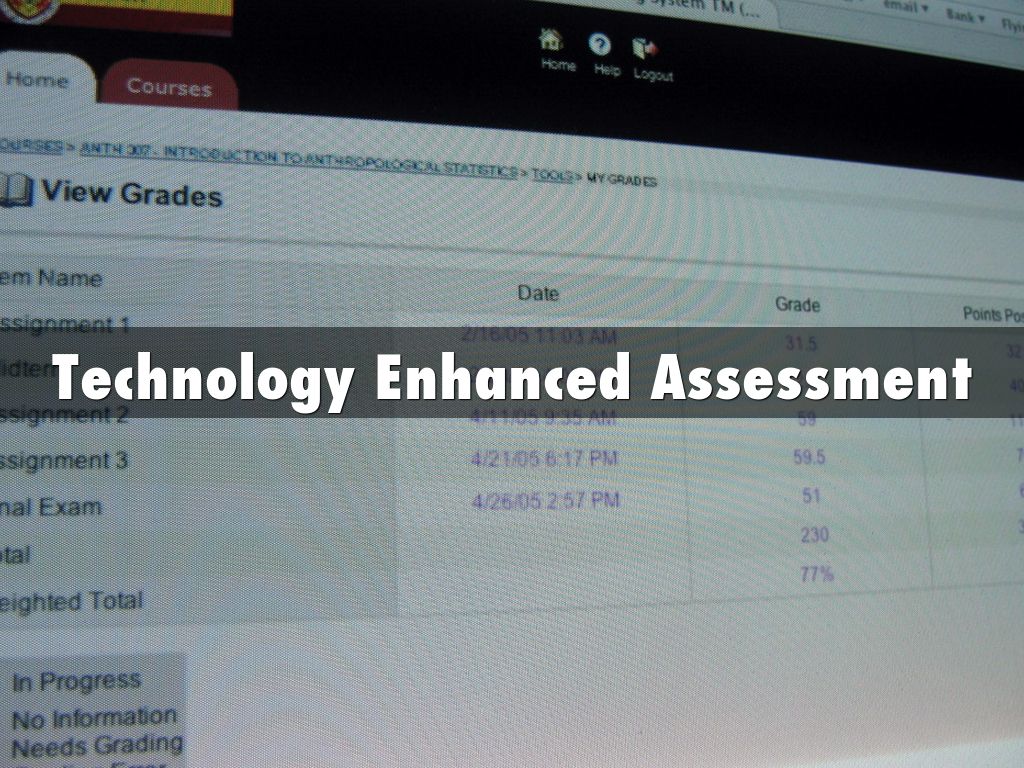
Technology-enhanced assessments have revolutionized the way students are evaluated in today’s classrooms. Gone are the days of traditional pen-and-paper tests, as technology has introduced a whole new level of interactivity and engagement to the assessment process.
One major advantage of technology-enhanced assessments is that they provide immediate feedback to both students and teachers. Through features like automatic scoring and instant results, students can receive real-time feedback on their performance, allowing them to identify areas for improvement and adjust their learning strategies accordingly. Teachers can also leverage this information to personalize instruction and tailor their teaching methods to better meet individual student needs.
Moreover, technology-enhanced assessments offer a more authentic representation of skills and knowledge. By incorporating multimedia elements such as videos, images, or interactive simulations, these assessments assess higher-order thinking skills beyond simple recall. Students are required to apply critical thinking, problem-solving abilities, and creativity while demonstrating their understanding of concepts.
Another benefit is the flexibility that technology brings to assessment administration. Online platforms allow for remote testing options and accommodate different learning styles through adaptive technologies. These tools enable educators to administer assessments at any time or place convenient for the student while ensuring accessibility for diverse learners.
Furthermore, technology-enhanced assessments make it easier for educators to analyze data collected from various sources during tests automatically. This data-driven approach helps identify patterns in student performance across multiple exams or assignments promptly.
In conclusion, technology-enhanced assessments have proven invaluable in modern education systems due to their ability to provide immediate feedback, promote higher-order thinking skills through multimedia integration, offer flexibility in administration methods and improve data analysis capabilities.
 Alternative Amie
Leave a comment