Curriculum Options for Hybrid Homeschooling
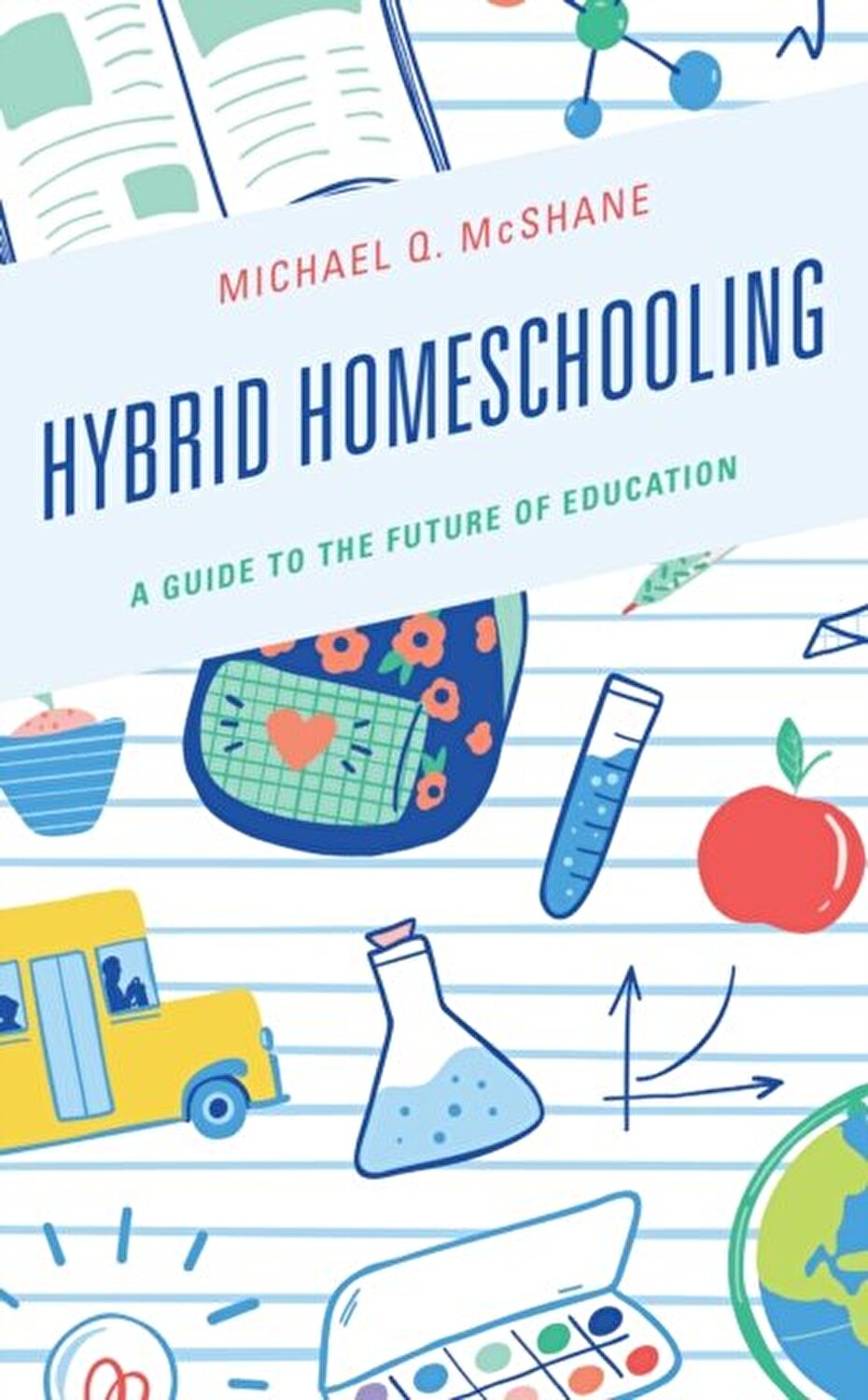
Hybrid homeschooling, also known as blended learning, is an educational approach that combines both traditional homeschooling and classroom instruction. This flexible option allows parents to tailor their child’s education while still providing some structure and socialization opportunities through part-time enrollment in a brick-and-mortar school or online courses. When it comes to selecting the right curriculum for hybrid homeschooling, there are several excellent options available.
1. Online Curriculum:
Online curricula offer a wide range of subjects and grade levels, making them suitable for hybrid homeschoolers. Platforms like Khan Academy, Time4Learning, and K12 provide interactive lessons, quizzes, and assessments that can be accessed from any location with an internet connection. These programs often include video tutorials, worksheets, and additional resources to enhance learning.
2. Textbook-Based Curriculum:
For families who prefer a more traditional approach to education, textbook-based curricula can be an ideal choice. Companies such as Calvert Education or Oak Meadow provide comprehensive textbooks covering all core subjects along with teacher guides and supplementary materials. Textbook-based curricula allow parents to have full control over pacing and lesson customization.
3. Project-Based Learning:
Project-based learning (PBL) is a student-centered approach that promotes critical thinking skills by engaging students in hands-on projects related to real-world problems or scenarios. PBL curricula like Expeditionary Learning or Project Foundry encourage collaboration among students while developing creativity and problem-solving abilities.
4. Customized Curricula:
Some families prefer creating their own customized curriculum by combining various resources based on their child’s interests and learning style. This approach allows parents the flexibility to incorporate elements from different educational philosophies such as Montessori or Waldorf methods alongside online courses or textbooks.
5. Co-Op Programs:
Cooperative (co-op) programs involve multiple families coming together to share teaching responsibilities for specific subjects or activities within a homeschooled community. Co-op programs can be an excellent option for hybrid homeschoolers, as they provide the opportunity to learn from other parents’ expertise while also fostering social connections and group learning experiences.
6. Dual Enrollment:
In some cases, hybrid homeschooling allows students to enroll part-time in a local brick-and-mortar school or take courses at a college or university. This option provides access to specialized resources, extracurricular activities, and interactions with peers that may not be available in a traditional homeschool setting.
When selecting a curriculum for hybrid homeschooling, it’s important for parents to consider their child’s unique needs and preferences. It is worth considering their learning style, interests, strengths, and challenges when making this decision. Additionally, consulting with other experienced homeschooling parents or joining online communities can offer valuable insights into different curricula options.
In conclusion, there are various curriculum options available for families practicing hybrid homeschooling. Whether you choose an online program, textbook-based curriculum, project-based learning approach, customized curricula, co-op programs or dual enrollment opportunities – the key is finding one that aligns with your child’s educational goals and enhances their overall learning experience. Hybrid homeschooling offers the flexibility to combine multiple approaches to create a well-rounded education tailored specifically to your child’s needs.
 Alternative Amie
Leave a comment