Sensory Experiences: Enhancing Learning and Growth in Alternative Education
In the realm of alternative schooling and education, a growing emphasis has been placed on providing students with rich sensory experiences. These experiences go beyond traditional classroom learning, engaging all five senses to create a holistic and immersive educational environment. By incorporating sensory elements into the curriculum, alternative schools aim to enhance learning, promote creativity, and foster personal growth in their students.
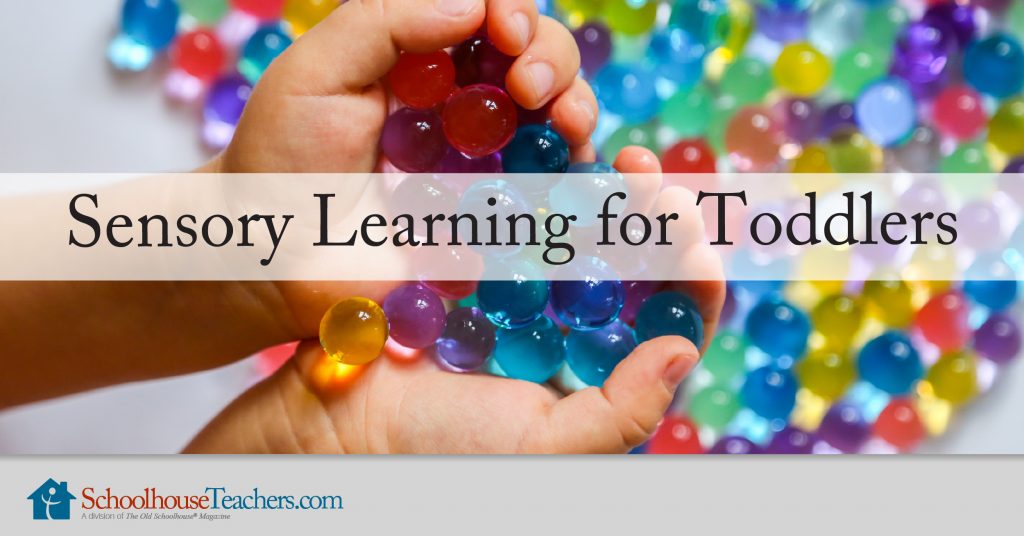
One of the key benefits of sensory experiences is that they stimulate multiple areas of the brain simultaneously. When learners engage their senses while acquiring knowledge or skills, they form stronger neural connections that improve memory retention and recall. For example, allowing students to touch different textures during a science experiment not only makes the lesson more interactive but also activates their tactile sense and reinforces scientific concepts.
Visual stimulation is another powerful tool for alternative educators. Artistic expression through painting, drawing, or even photography helps students perceive the world from different perspectives. It encourages creativity while developing observational skills and attention to detail – qualities that are crucial for problem-solving and critical thinking.
Similarly, auditory experiences play an integral role in alternative education environments. Music can be used as both a teaching tool and a therapeutic outlet for emotional expression. Studying various genres introduces children to diverse cultures while improving their listening skills. Additionally, soundscapes or nature sounds can be incorporated during meditation or mindfulness exercises to create calming atmospheres conducive to relaxation and reflection.
Taste is often overlooked as an educational medium; however, it can be effectively utilized within alternative education settings too. Cooking classes provide hands-on experience where students learn math through measuring ingredients or explore scientific principles like chemical reactions firsthand. The act of tasting new flavors fosters cultural awareness while expanding culinary horizons.
Lastly but equally important is olfactory engagement – our sense of smell – which has significant impact on memory recall due to its direct connection with the limbic system (responsible for emotions). Incorporating pleasant scents into learning spaces can enhance mood and concentration. For example, a classroom might diffuse the aroma of lavender during reading or writing activities to create a calming ambiance.
Sensory experiences not only enrich academic learning but also promote personal growth. By engaging all five senses, alternative education encourages self-discovery and self-expression. Students become more aware of their strengths, weaknesses, likes, and dislikes through these multi-sensory engagements. As they explore different sensory modalities within a supportive environment, students develop increased confidence in themselves and their abilities.
In conclusion, alternative education institutions recognize the power of sensory experiences in promoting holistic learning and personal growth among students. By incorporating visual, auditory, tactile, taste, and olfactory elements into their curriculum design, these schools aim to create immersive educational environments that engage multiple areas of the brain simultaneously. This approach strengthens memory retention while fostering creativity, critical thinking skills, emotional intelligence, cultural awareness – ultimately preparing students for success beyond traditional classrooms.
 Alternative Amie
Leave a comment