Student Choice and Autonomy in Seating Arrangements
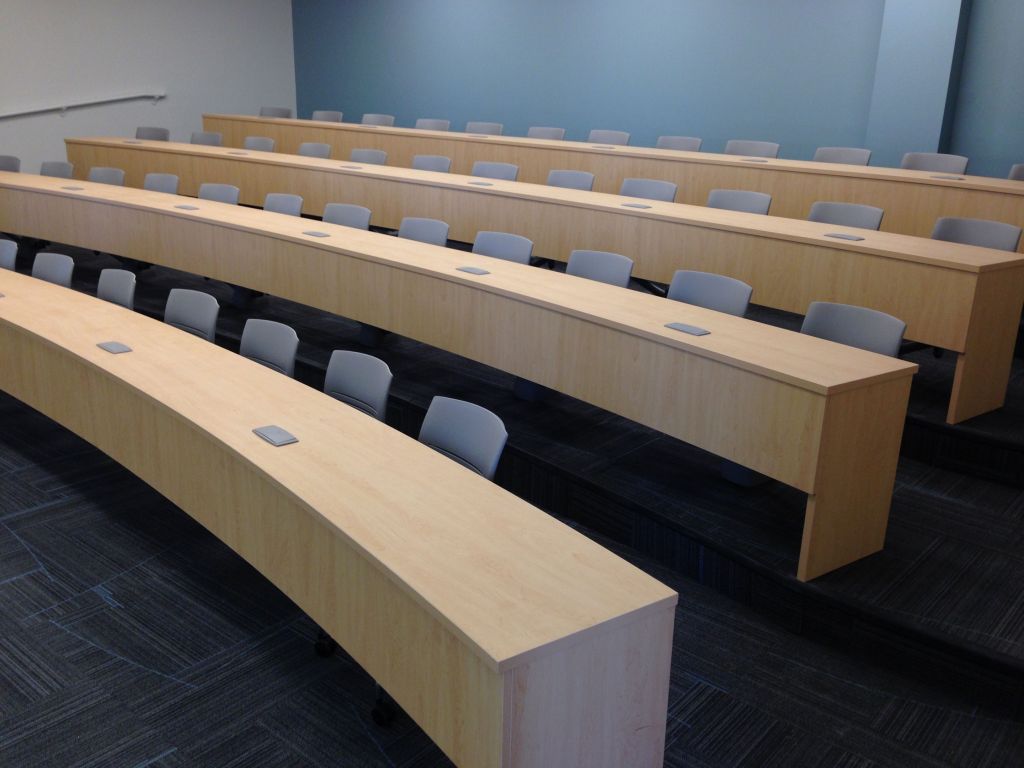
In traditional classrooms, seating arrangements have often been set by the teacher, with rows of desks facing forward towards the front of the classroom. However, alternative schools and educators are increasingly recognizing the importance of student choice and autonomy in determining their own seating arrangements.
Allowing students to choose where they sit can have a significant impact on their engagement and learning experience. When students have a say in where they want to be seated, they feel a sense of ownership over their space, which can lead to increased motivation and concentration. By giving them control over their immediate environment, we empower them to take responsibility for their own learning journey.
One benefit of student choice in seating is that it allows students to find an arrangement that best suits their individual needs. Some students may prefer sitting at the front of the class to minimize distractions, while others may thrive being seated near friends or peers who inspire collaboration. By understanding their preferences and providing options for different types of seating (such as standing desks or cozy reading corners), we cater to diverse learning styles and create a more inclusive classroom environment.
Moreover, when students are given freedom in choosing where they sit, it fosters a sense of trust between them and the teacher. It sends a message that we value their input and respect their ability to make decisions about what works best for them academically. This trust establishes positive relationships within the classroom community, promoting open communication channels between teachers and students.
Additionally, allowing student choice in seating arrangements encourages creativity and innovation. Alternative schools often emphasize project-based learning approaches that require flexible spaces conducive to collaboration. When given the freedom to rearrange seats based on group work or individual projects, students become active participants in creating an ideal learning environment tailored specifically for each task at hand.
Critics argue that too much freedom in seating choices might lead to chaos or distraction among students. However, this concern can be mitigated by setting clear guidelines and expectations for behavior. Teachers can establish certain boundaries, such as noise levels or respecting personal space, while still allowing students the freedom to choose their seating arrangement.
In conclusion, student choice and autonomy in seating arrangements have numerous benefits that contribute to a more engaged and inclusive learning environment. By giving students control over their immediate surroundings, we empower them to take ownership of their learning experience. Student choice promotes individual needs, fosters trust between teachers and students, encourages creativity, and allows for flexibility in project-based learning approaches. As alternative schools continue to challenge traditional educational practices, incorporating student choice in seating arrangements is a step towards creating classrooms where every student can thrive.
 Alternative Amie
Leave a comment