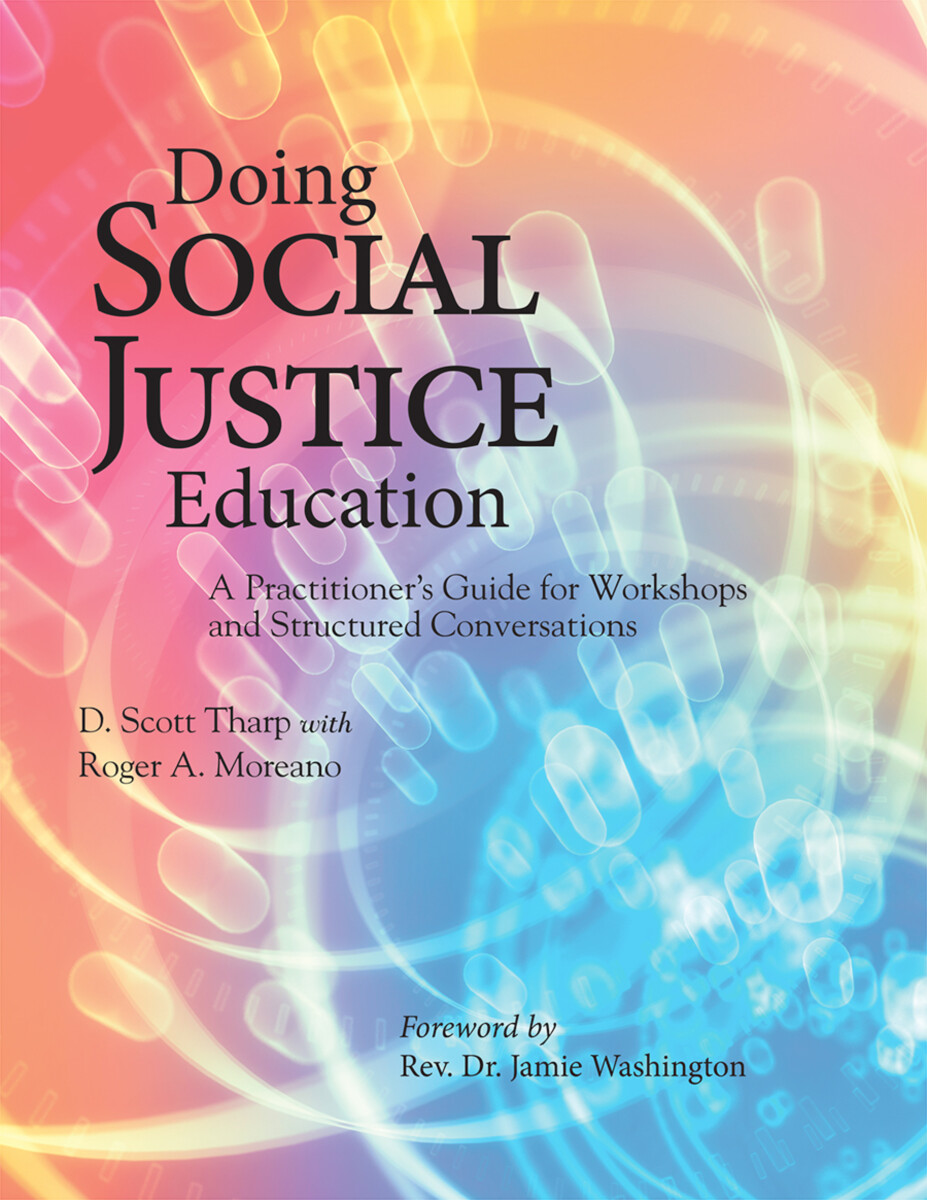
Social justice education, also known as equity education or anti-oppressive education, is an approach to teaching and learning that aims to address and dismantle systems of inequality and injustice. It goes beyond traditional academic subjects by integrating social issues, promoting critical thinking skills, fostering empathy and compassion, and empowering students to become agents of change in their communities.
At its core, social justice education recognizes that our society is characterized by various forms of oppression based on race, gender, class, sexuality, ability, religion, nationality, and other identity markers. It seeks to challenge these oppressive systems through a curriculum that engages students in exploring the root causes of injustice and inequity.
One key aspect of social justice education is the inclusion of diverse voices and perspectives in the classroom. This means incorporating literature written by authors from marginalized communities into English classes or teaching history from multiple viewpoints. By exposing students to different narratives and lived experiences, they gain a deeper understanding of the complexities surrounding issues such as racism or sexism.
Furthermore, social justice education encourages critical thinking skills. Students are taught how to analyze power dynamics within society and question dominant narratives. They learn how to identify biases in media representations or policies that perpetuate discrimination. These analytical skills enable them not only to understand systemic injustices but also to actively challenge them.
Empathy development is another crucial component of social justice education. Through activities such as role-playing or community service projects focused on addressing local inequalities, students develop a sense of empathy towards others who may have experienced marginalization or discrimination firsthand. This fosters a culture of understanding and solidarity among students.
Perhaps most importantly, social justice education strives for empowerment. It empowers students by providing them with tools for activism – whether it be organizing events related to environmental sustainability or advocating for inclusive school policies – so they can actively contribute toward making positive changes within their schools and wider communities.
While some critics argue that introducing social justice topics into classrooms may politicize education, it is important to recognize that education has always been inherently political. By embracing social justice education, schools create spaces where students can critically engage with the world around them and become informed citizens who are equipped to challenge injustice.
In conclusion, social justice education plays a crucial role in creating inclusive and equitable educational environments. It equips students with the knowledge, skills, empathy, and empowerment necessary for actively participating in building a more just society. By engaging in critical conversations about power and privilege, students develop a deeper understanding of systemic oppression and are inspired to take action against it. Ultimately, social justice education helps prepare young people to be agents of change in their communities and advocates for a fairer world.
 Alternative Amie
Leave a comment