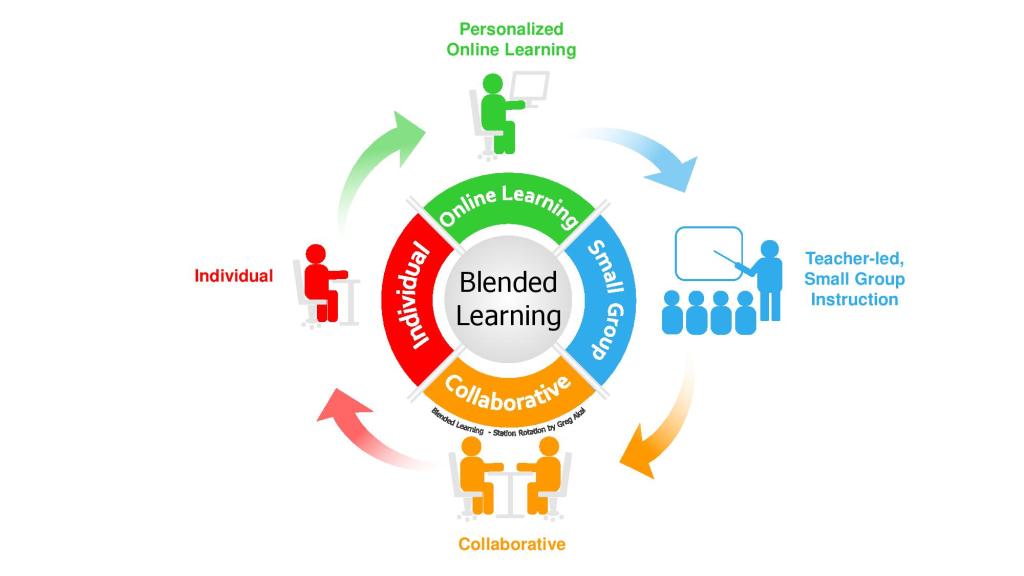
Blended Learning Models: A Retrospective
Over the past decade, blended learning models have become increasingly popular in the field of education. Blending traditional face-to-face instruction with online learning components, this approach has revolutionized the way students engage with their coursework and has opened up new possibilities for personalized learning.
One of the key advantages of blended learning is its flexibility. Students can access course materials and complete assignments at their own pace, allowing them to take ownership of their learning process. This individualized approach caters to various learning styles and abilities, ensuring that each student receives an education tailored to their needs.
Moreover, blended learning models have made education more accessible than ever before. By incorporating online elements into traditional classrooms, schools are able to reach a wider range of students who may live in remote areas or have limited access to resources. Additionally, for those struggling with time constraints due to work or family obligations, blended learning offers the opportunity to pursue education on a flexible schedule.
Another benefit of blended learning is its ability to foster collaboration and engagement among students. Online discussion forums and group projects encourage interaction between peers regardless of physical proximity. This collaborative aspect not only enhances social skills but also prepares students for communication in today’s digital age.
However, it is important to note that implementing a successful blended learning model requires careful planning and resource allocation. Schools must ensure that all students have access to reliable internet connections and appropriate technology devices. Additionally, teachers need training on how best to integrate online tools into their curriculum effectively.
Looking ahead, it is clear that blended learning will continue evolving as technology advances further. Virtual reality simulations, artificial intelligence-based tutoring systems, and personalized adaptive software are just a few examples of innovations set to enhance educational experiences within these models.
In conclusion, blended learning models have transformed traditional classrooms by combining the benefits of face-to-face instruction with online resources. Its flexibility provides greater accessibility while promoting individualized education plans for every student. Moreover, the collaborative nature of blended learning fosters engagement and prepares students for the digital world. As technology continues to advance, it is exciting to imagine what new opportunities blended learning will bring in the future.
 Alternative Amie
Leave a comment